New Zealand schools are ditching bells for bangers

Image: The Spinoff
The familiar ring of the traditional school bell is becoming decidedly old-school, with kids’ routines now soundtracked by everything from ‘Haere Mai’ to ‘Don’t You Forget About Me’.
When the bell rings at Silverstream School in Mosgiel, the tranquil sounds of tūī birdsong float through the air. At Queens High School in Ōtepoti, it’s the sound of Sam Fender and Olivia Dean singing 'Rein Me In'. Further north in Ōtautahi, St Martins School pupils start their school day to the upbeat rhythms of Ed Sheeran’s ‘Azizam’, and head home at three o’clock to ‘Don’t You Forget About Me’ by Simple Minds. At one East Auckland primary, they signal break time with ‘Bibbidi-Bobbidi-Boo’ from Disney film Cinderella, while over at Grey Lynn Primary, pupils have started the school day with ‘ABC’ by The Jackson 5 and ended with Iggy Pop’s ‘The Passenger’.
In schools across the motu, the piercing clang of the traditional school bell is fading into silence. With improvements in technology and upgrades to school-wide PA systems, many New Zealand schools have abandoned the abrupt sound of a ringing bell to signify certain times in the day, and replaced it with the feel-good beats of modern pop music and classic New Zealand tunes.
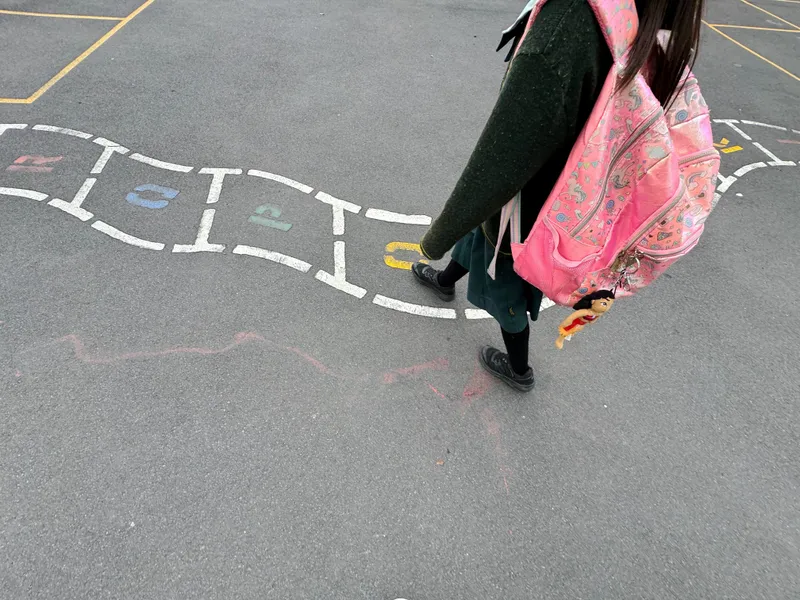
Hell’s bells? Not quite, as turning off the school bell in preference of the sound of music is also a growing trend in Australia and the UK. “Tamariki are born into a world of sound and movement. Music helps their intellectual, imaginative, emotional, social and cultural growth,” the Ministry of Education says, noting that music helps children develop their listening skills, co-operation and memory. Among the ministry’s guidance for school property design standards is the requirement that PA and bell systems must support bells, voiced announcements and paging, as well as lockdown, fire and other safety-warning signals. It says nothing about Ed Sheeran or Bob Marley.
Rāwhiti School in Christchurch is one such school that has embraced music to signal different transitions through the day, having ditched the buzz of a boring bell over a decade ago. A school spokesperson said they choose to play New Zealand music instead, which is often linked to a particular theme or focus. Currently, they’re playing lots of upbeat te reo Māori waiata, which they say the kids love, and believe that using music instead of a bell has improved the mood and energy of the school.
“We love the positive atmosphere it creates and how it makes moving between activities a much more enjoyable experience for our tamariki,” they say. “It's wonderful seeing them singing, dancing and making their way back to class with smiles on their faces.”
It’s the same at Dunedin North Intermediate, where students can email requests to staff about what music should play over the school’s intercom to signal break times. “During the science fair, they played the ‘Periodic Table Song’,” a former student remembers. At Stanley Bay Primary on Auckland’s North Shore, popular bell songs include ‘Te Aroha’, ‘Tūtira Mai’ and ‘Toku Reo’, as well as earworm ‘School is Number One’ (“really cringey”, says one discerning student).

Across the city at Auckland’s Point Chevalier Primary, tamariki arrive to the opening lines of Daphne Walker’s 1955 classic ‘Haere Mai’. When it rains during a break, ‘Raindrops Keep Falling On My Head’ calls the children back inside, and ‘See You Later, Alligator’ sends them home. “At the end of term, this is often accompanied by the ‘See You Later Alligator’ costume coming out and going on the crossing duty,” says principal Stephen Lethbridge.
While today’s youth may thrive off the good vibes of these bangers, not everyone appreciates a jaunty melody bursting out across a school sound system every 90 minutes. In 2020, some residents near Titirangi School in Auckland became annoyed by the sounds of ‘Poi E’ ringing out seven times each school day. In 2024, Warkworth's Te Kura O Puhinui had to lower the volume and shorten the music play time after neighbours complained about noise pollution caused by songs including AC/DC’s 'Thunderstruck' and the Muppets’ timeless 'Mah Na Mah Na’.
Some parents also have strong feelings about the musical bells. “It haunts me,” one Auckland mother confesses about the tunes at her child’s school. “I’ll be parking my car and hear the song start and know I’m a failure as a parent for being late, taunted by some happy-go-lucky lyrics.” Pharrell Williams’ ‘Happy’ is anything but for this frazzled parent, who clearly does not want to clap along until she feels like a room without a roof. “They use it until the song has destroyed the soul to its full depths. We had good old Waiata Anthems there for a bit but now it’s gone right to the shitter. Six60 was on for a bit and I simply refused to do pick-up those weeks.”
The former Dunedin North Intermediate student who spoke exclusively to The Spinoff saw nothing unusual about not hearing a traditional school bell. “You just got used to it.” Many New Zealand schools continue to use a bell – including the ringing of a hand-held bell in smaller schools – while others, like Otago Girls’ High School in Dunedin, don’t have a bell at all. But for schools like Rāwhiti, switching over to a specially curated playlist has been nothing but positive.
“We see music as a great way to celebrate our culture, introduce tamariki to different artists and genres, and bring a little joy and energy into the school day,” they say.
“It's a much happier alternative to the traditional school bell.”

Tara Ward
Tara Ward has written about television and culture for The Spinoff for several years. She lives in Ōtepoti Dunedin, where she tries to avoid walking up hills.
Sign up to The Weekend, delivered straight to your inbox.


