Meet the nine new Māori MPs entering parliament

Eight first-timers and one familiar face are heading to Te Whare Mīere following the 2026 election.
From a former All Blacks captain to a treaty activist and a pā boy who refused a place on Labour's list, here are the Māori faces entering parliament for the first time after the 2026 election.
Eight MPs with Māori whakapapa are heading to parliament for the first time, and one who has been out of parliament for a spell is on the way to Wellington.
There were 32 MPs with Māori whakapapa heading into the election. Based on the preliminary results, that number will rise to 36, or around 27% of the 131 seats that are so far likely to make up the next parliament. That's after five Māori MPs depart: former Te Pāti Māori MPs turned independents Tākuta Ferris and Mariameno Kapa-Kingi, Labour's Georgie Dansey, the Greens' Mike Davidson and retiring National MP Shane Reti.
Te Pāti Māori – with five candidates through after the preliminary vote count – has the highest proportion of Māori MPs. Half of the New Zealand First and Green Party caucuses also whakapapa Māori, giving them the next-highest proportions. Labour and the Greens share the highest number of Māori MPs overall, with eight each.
National has the lowest proportion, with five Māori among its 42 MPs, or 12%. Meanwhile, Eden Skipper is the sole identified Māori MP among the seven members of the newly elected Opportunity Party, representing 14% of its caucus.
The newcomers are a varied lot. They include a former All Blacks captain, an environmental lawyer and a former deputy mayor. Some have spent years fighting for Māori rights outside parliament. Others are entering politics for the first time.
We spoke with two of the new incoming MPs to find out what brought them to Wellington and what they hope to achieve. Here's what you need to know about all nine.
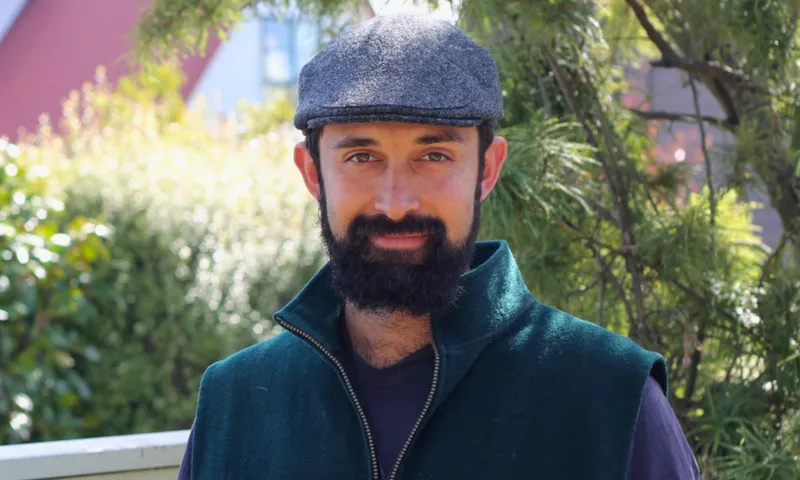
Eden Skipper – Opportunity Party
Having previously worked as a research assistant at the University of Canterbury, Eden Skipper enters parliament as the sole Māori MP in the Opportunity Party's seven-member caucus.
Speaking from parliament, Skipper says the reality of becoming an MP hasn't quite sunk in.
“It's getting a bit more surreal now as I'm in here and all these people [are] looking after me and doing all these nice things,” he says.
Skipper, with whakapapa to Ngāi Tahu, was born and raised on Banks Peninsula and now lives in Christchurch. His background includes environmental restoration, Māori development and research into alternative economic futures. He has also worked in government and community organisations.
While the final election results are still to be decided, Skipper says it's nice to have some time to settle into parliamentary life. Like his party leader, Qiulae Wong, Skipper believes many New Zealanders have become disillusioned with the way politics operates and are looking for meaningful change.
“[Politics] needs to be focused much more on what the best solutions are, and being pragmatic about how we get that across the line,” he says.
For Skipper, one of the biggest challenges facing the new parliament is finding common ground. He wants MPs to work together and focus on “getting and debating the best ideas to take this country forward”.
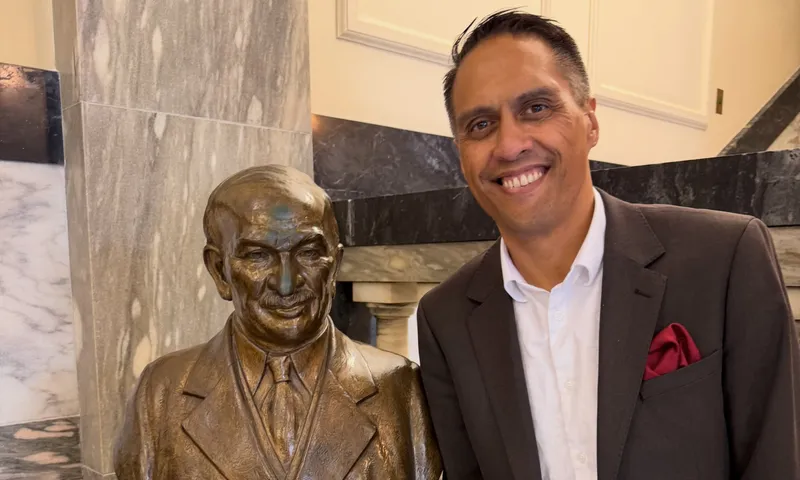
Kingi Kiriona – Labour Party
Despite losing Hauraki-Waikato to Te Pāti Māori's Hana-Rawhiti Maipi-Clarke by more than 10,000 votes – the largest winning margin of any Māori electorate – Kingi Kiriona is heading to parliament via the Labour Party list.
Originally from Dannevirke, Kiriona now lives in Waikato. A former broadcaster, he owns a small business with his wife. But the difficulties facing that business helped push him towards politics.
"We had 30 staff. We're now down to five staff,” Kiriona says.
He attributes the losses in part to the coalition government's changes to funding and support for kaupapa Māori initiatives, particularly in education.
“A lot of that was due to the divestment away from kaupapa Maori by the National-led government more broadly, but in particular in education,” he says.
For Kiriona, the experience made the consequences of government decisions personal. He wants to see Māori businesses and communities given the support and opportunities they need to succeed. His vision is for Māori to thrive as tangata whenua, on their own whenua, with their identity and worldview at the centre of their lives.
“The best thing about being Maori is simply being Maori and our worldview,” he says.
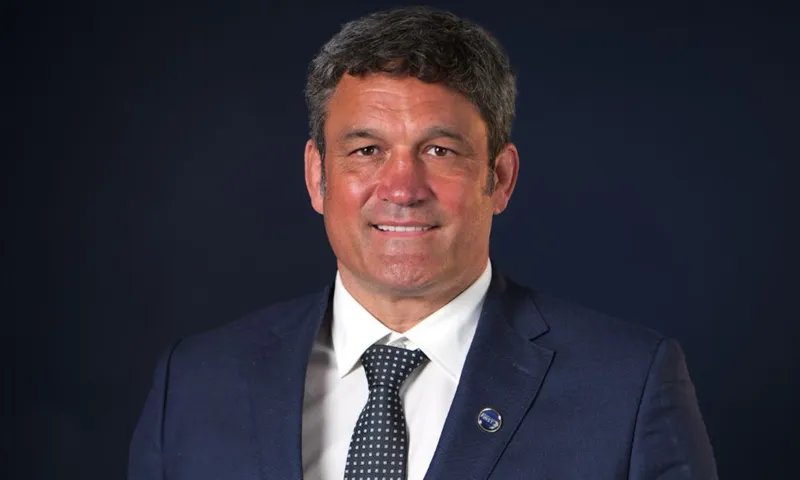
Taine Randell – NZ First
From captaining the All Blacks to taking a seat in the Beehive, Taine Randell is preparing for a different kind of contest. The former All Blacks captain is set to become the eighth former All Black to enter New Zealand's parliament as a New Zealand First list MP.
Randell played 51 tests for the All Blacks between 1995 and 2002, captaining the team in 22 matches. After retiring from professional rugby, he built a career in business and governance, including working in the energy industry overseas before returning to Hawke's Bay.
He contested the Tukituki electorate but finished third behind National's Catherine Wedd and Labour's Dan Scott. His selection as a New Zealand First candidate raised eyebrows, given he had previously turned down an invitation from Labour to contest Ikaroa-Rāwhiti.
Randell has spoken about his longstanding interest in politics and his alignment with New Zealand First's positions on issues including energy, water and immigration.
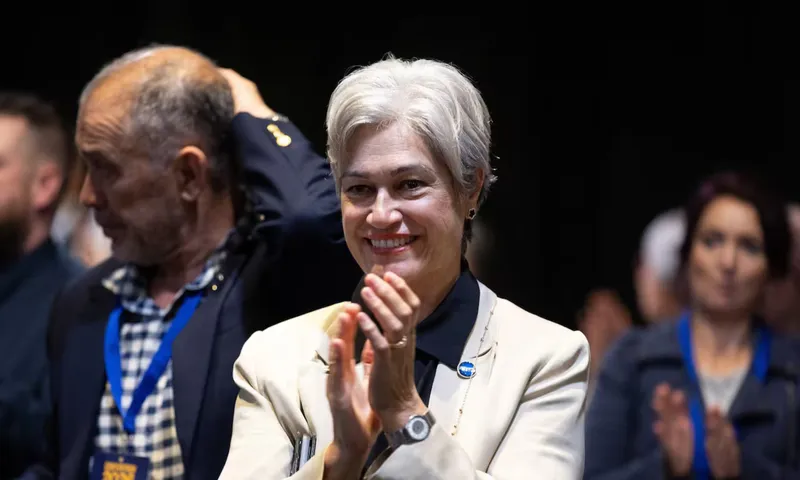
Harete Hipango-Brownlie – NZ First
Former National Party MP and lawyer Harete Hipango-Brownlie is returning to parliament, this time wearing New Zealand First colours. Hipango-Brownlie served as the MP for Whanganui from 2017 to 2020 before returning as a National list MP in 2021. She stood for National in Te Tai Hauāuru at the 2023 election, becoming the party's first candidate in a Māori electorate since 2002, but lost to Debbie Ngarewa-Packer.
This year, Hipango-Brownlie finished third in Whanganui, which was won by National's Carl Bates. However, her seventh placing on the New Zealand First list has secured her return to parliament. Hipango-Brownlie’s campaign was not without controversy though – just days before the election, she faced criticism over a confrontation with a man wearing mataora in Whanganui. The man said her remarks were an attack on his mataora, while Hipango-Brownlie said she had been subjected to verbal abuse and was defending herself.
Her return brings New Zealand First's Māori caucus to six MPs, representing half of the party's parliamentary membership.
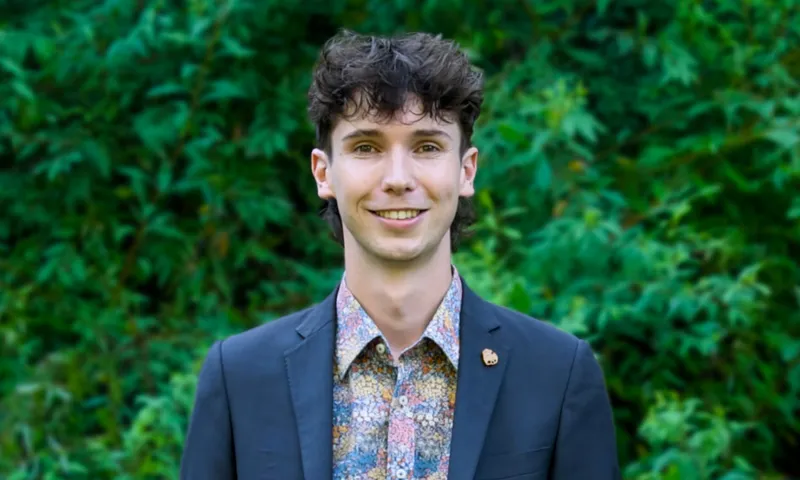
Rohan O'Neill-Stevens – Green Party
At 26, Rohan O'Neill-Stevens is already a veteran of local politics. The Ngāti Apakura politician was first elected to Nelson City Council at just 19 and became the city's deputy mayor at 22, making him one of the country's youngest local government leaders. Now he's making the leap to parliament.
O'Neill-Stevens contested the Nelson electorate for the Greens, losing to National's Blair Cameron, but enters parliament at number 16 on the party list. His political career has focused on affordable housing, public transport, environmental protection and climate action. He has also served as co-convenor of the Young Greens and worked on the party's previous election campaigns.
O'Neill-Stevens has been outspoken about the need for structural change, arguing that successive governments have failed to address growing inequality and the pressures facing ordinary New Zealanders. He has also criticised the coalition government's approach to Te Tiriti o Waitangi and environmental protections.
With experience in local government already under his belt, O'Neill-Stevens arrives in Wellington promising to bring a community-focused approach to national politics.
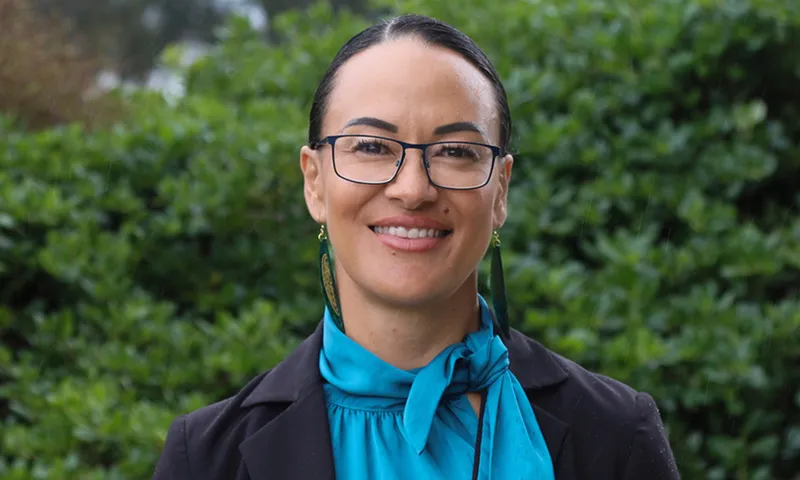
Tania Waikato – Green Party
Tania Waikato is no stranger to challenging governments. Until now, however, she's largely done it from outside parliament. The Tauranga-based lawyer and treaty activist grew up in Te Teko, near the Rangitāiki River, and has more than 20 years of legal experience spanning Māori business, resource management, employment law and treaty issues.
Waikato has been a prominent opponent of several coalition government policies, including the Treaty Principles Bill, the Regulatory Standards Bill and changes affecting Māori rights. She previously worked as a lawyer for Te Pāti Māori but chose to stand for the Greens, citing her passion for environmental protection and climate action.
Waikato's environmental advocacy stretches back years. She has worked to protect the Rangitāiki River and helped establish an environmental fund supporting restoration projects and marae initiatives. She contested Waiariki against Te Pāti Māori co-leader Rawiri Waititi but enters parliament through the Green Party list (she was ranked thirteenth).
Waikato has said her decision to enter politics came from a growing conviction that advocacy alone was no longer enough. After years spent challenging decisions from the outside, she'll now have a seat in the chamber where those decisions are made.
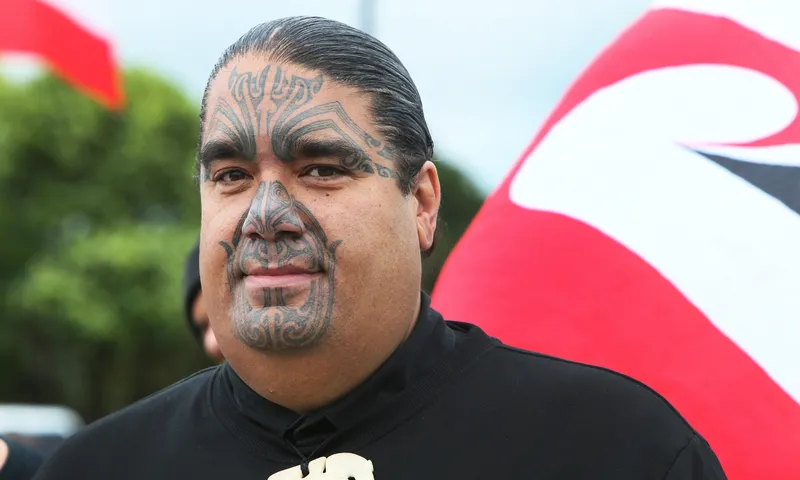
Aperahama Edwards – Te Pāti Māori
Aperahama Edwards is, for now, heading to parliament after one of the closest contests of election night. The Ngātiwai leader and chair of the Ngātiwai Trust Board finished just 436 votes ahead of Green Party candidate Hūhana Lyndon in Te Tai Tokerau, according to preliminary results. With special votes still to be counted, there's still a chance the seat could flip.
Edwards entered the race after former Te Pāti Māori MP Mariameno Kapa-Kingi left the party and established Te Tai Tokerau Party. His selection was backed by veteran Māori politician Hone Harawira, who had earlier ruled himself out of contesting the seat.
Edwards has spent years working in iwi and hapū development, te reo Māori revitalisation, ocean conservation and advocacy for Māori rights. He was also among the prominent voices opposing the Treaty Principles Bill and supporting Hīkoi mō Te Tiriti.
His political activism has already taken him inside parliament, though not always as a welcome guest. In 2025, he was removed from the public gallery after interrupting debate on changes to the Marine and Coastal Areas Act.
For Edwards, the campaign was about ensuring Te Tai Tokerau had a representative prepared to defend te tiriti and advocate for the region's whenua, moana, whānau and future generations.
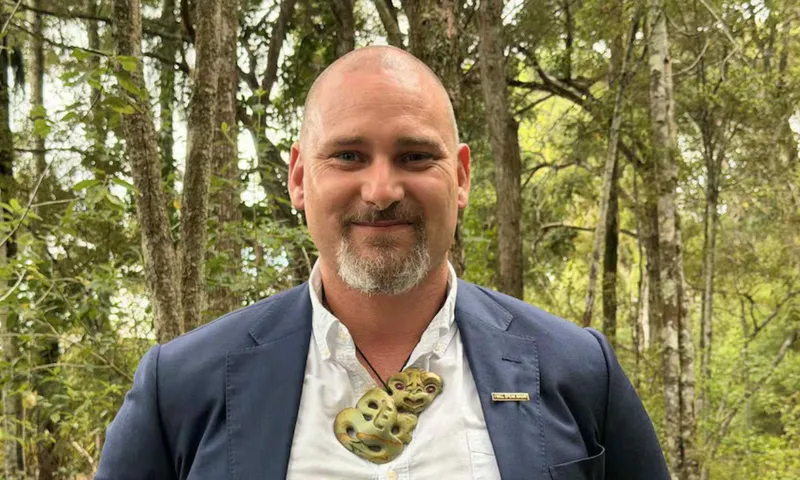
Mananui Ramsden – Labour Party
Mananui Ramsden didn't want a safety net, but rather a mandate. The Labour candidate for Te Tai Tonga made the unusual decision to stand for an electorate seat without seeking a place on his party's list. If voters didn't want him, he wasn't interested in entering parliament another way. It paid off.
Ramsden defeated incumbent Tākuta Ferris, who was standing as an independent after leaving Te Pāti Māori, by a preliminary margin of 2,800 votes, returning the South Island Māori electorate to Labour.
Ramsden is a former chair of Te Rūnanga o Koukourarata and has extensive experience in marae leadership, environmental advocacy and freshwater management. He is also a descendant of Hoani Te Raki Tīkao, who signed Te Tiriti o Waitangi at Takapūneke in 1840. Ramsden has described himself as a pā boy who was “dragged up in the kitchen” and says his whakapapa is central to his political motivation.
During the campaign, Ramsden spoke about the importance of employment, housing, infrastructure and trades training, particularly for rangatahi Māori. His victory also represents a political comeback for Labour in an electorate it lost to Ferris in 2023. For Ramsden, it is a chance to take the concerns of his communities directly to the place where decisions are made.
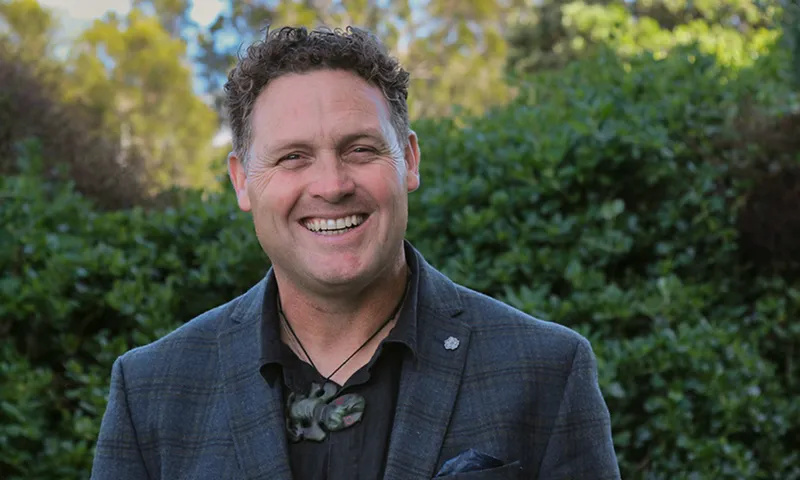
Craig Pauling – Green Party
Craig Pauling has spent more than two decades working at the intersection of environmental protection, local government and iwi development. Now he's taking that experience to parliament. Pauling is a former chair of Environment Canterbury, where he served two terms as an elected regional councillor. He was appointed chair of the Canterbury Regional Council in October 2024 after previously serving as deputy chair.
His professional background includes freshwater management, mahinga kai, biodiversity, resource management and climate resilience. He is also a qualified Resource Management Act hearings commissioner. Pauling contested Banks Peninsula for the Greens but enters parliament through the party list, – he sits at 14.
Throughout his career, Pauling has worked across iwi, local and central government, and the private sector, advocating for environmental restoration and stronger partnerships between Māori and the Crown. He has described his approach as one grounded in practical outcomes, balancing environmental protection with community needs and economic realities.
For the new Māori MPs, the challenge now shifts from campaigning to governing, legislating and holding those in power to account. Their parties and political priorities may differ, but each will bring their own whakapapa, experiences and understanding of what Māori representation should look like to Te Whare Mīere.

Liam Rātana
Liam Rātana (Ngāti Wairupe/Ngāti Kurī) is editor of The Spinoff's Ātea section. He is passionate about indigenous and minority issues. Liam enjoys cooking, poetry, photography, and exploring the outdoors.


