How the different parties are positioning themselves for coalition negotiations

Qiulae Wong, Chris Hipkins and Christopher Luxon – all hung up on each other.
Who's open to compromise, who's playing hardball, and who's MIA?
The path to our next government is just a long, high-stakes game of telephone. At this point, Opportunity Party leader Qiulae Wong could still become our new Chrismaker. With the Hamilton East and Wairarapa seats at risk of flipping from National to Labour and specials expected to deliver further wins to the left, there’s a chance the government coalition will lose its majority, and National leader Christopher Luxon will need the support of the newest party to enter parliament.
How will these talks go? The Spinoff would give anything to be a fly on the wall of Christopher Luxon’s living room right now. In lieu of that, here’s what evidence tells us you can expect when you’re expecting coalition negotiations.
Opportunity
Despite being the newest – and the second-smallest – party in parliament, Opportunity Party leader Qiulae Wong seems certain her party won’t have to be the ones doing the compromising. Their game plan is to make contact with the party with the most seats (National), and the talks they have will be guided by the party’s list of non-negotiables.
In case you missed them, there are five bottom lines Opportunity is keen to stick to. These include empowering the Commerce Commission to force structural separation in anti-competitive business (like the supermarket duopoly), a mandatory register for lobbyists (alongside a cap on party donations), establish a 10-year cross-party plan on health, the phasing out of bottom trawling and a recommitment to the Paris Agreement. Wong reckons the party has been “extremely generous” in making their non-negotiables clear.
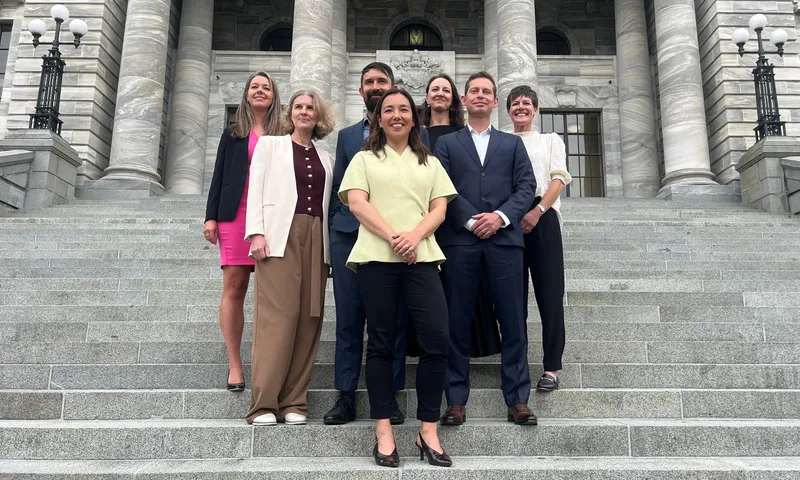
With these big asks, does Opportunity believe it could realistically engage in constructive conversations with the likes of NZ First’s Shane Jones? “That’s for them to decide,” Wong says.
So far, we only know that Labour leader Chris Hipkins and Greens co-leader Chlöe Swarbrick have been in touch with Wong. Those were “brief conversations” focused on the campaign itself, with “no discussion about potential negotiations or deadlines”, she said on Monday. Opportunity is facing plenty of pressure to side with the left bloc over the right, with former Labour leader Phil Goff telling RNZ’s Morning Report the party would be “in trouble” if they sided with the right. If Luxon doesn’t call by the end of the week, Wong says she’ll be giving him a bell.
“We’re going to hear lots of opinions over the next couple of weeks about what would be the best course of action for us to take,” Wong said in response to Goff’s comments. “Ultimately, that is a decision for us.”
“I think everybody that voted for Opportunity has a very clear understanding that we could work with anyone – all other parties – on a future that we align with. And we’ve been very clear on what that future means.”
Labour
More prepared than Wong to compromise in coalition talks is Chris Hipkins. He said as much in his not-a-concession, not-a-victory speech on election night, and repeated the big “c” word again while speaking to reporters in parliament on Monday. Suffice to say, Hipkins is far more eager than his National counterpart to form a government with Opportunity.
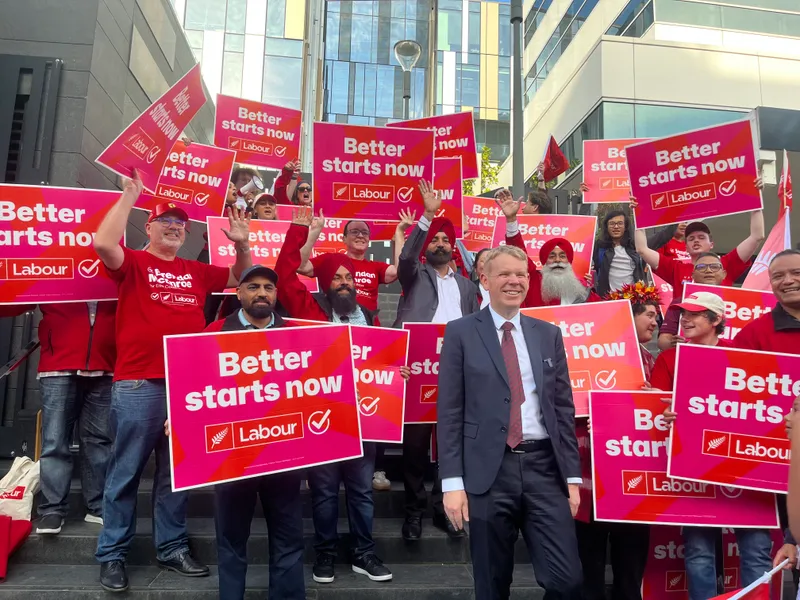
The parties do find alignment on a number of issues, and both favour incrementalist policymaking. Opportunity’s bottom line on bottom trawling has Hipkins the most concerned – but not because the party doesn’t think the practice isn’t “incredibly harmful”. “It all comes down to a question of how,” Hipkins says.
Hipkins also faces some other strong personalities in this possible four-way governing agreement. Swarbrick has been eyeing up the finance portfolio, but Labour already has a highly capable potential finance ministeer in Barbara Edmonds, and Hipkins has ruled out giving the job to Swarbrick. You can also assume Hipkins will keep his word on not handing out ministerial portfolios to Te Pāti Māori, or giving the Greens any justice or police-related portfolio. As for the suggestion of a shared premiership with Te Pāti Māori co-leader Rawiri Waititi: “Absolutely not.”
National
Prime minister Christopher Luxon swore till his face was National Party blue that he would not enter a governing arrangement with Opportunity. But in the election afterglow, Luxon has softened – after some of his senior ministers already hinted they’d have to get real about the situation. What will make talks between National and Opportunity easier is the fact that the latter party’s keynote land value tax policy isn’t included in its coalition bottom lines. What could be an issue is Luxon’s pride.
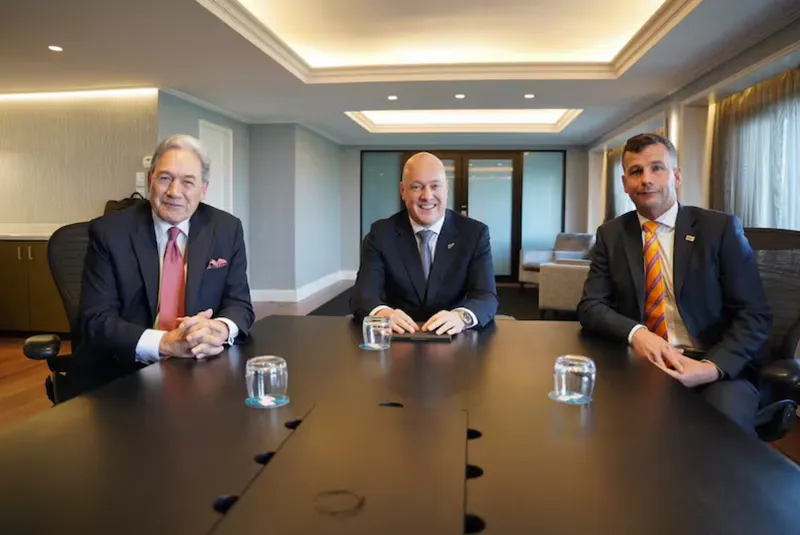
It’s also important to remember the major centre-right party is coming back into talks with its coalition partners with far less leverage. The party can’t argue it has a strong mandate from the electorate, and its brainiest and most experienced MPs are out of their jobs. Luxon has said a National Party MP taking on the finance portfolio is a “non-negotiable” – but as with his captain’s call on Opportunity, Luxon might end up eating those words.
Green
It was only a few weeks ago that co-leader Chlöe Swarbrick admitted it was “becoming clear” her party would need to partner with Opportunity for the left to gain power. The Greens have asserted that they’re most interested in changing the government – if that means teaming up with Opportunity, so be it.
Swarbrick has already put the pressure on Opportunity, saying on Sunday that it was time for the party to “pick a side”. “They don't get to sit on the fence any more, and I would want them to choose positivity and optimism for the future of our country."
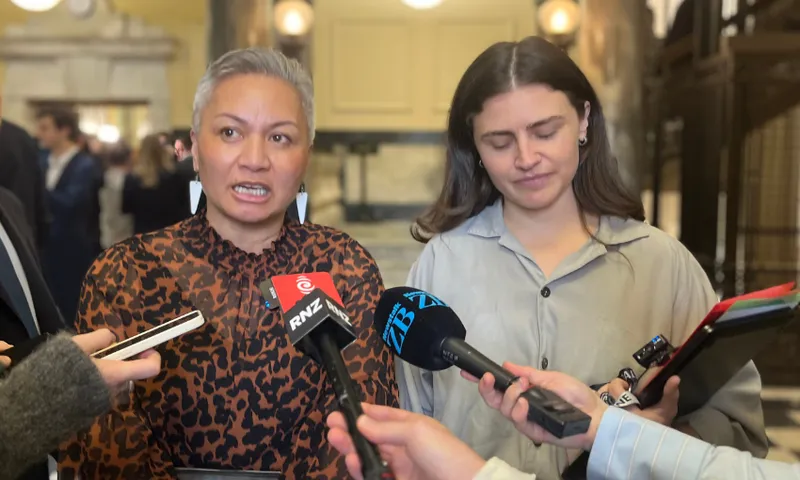
We’ve been hearing a lot about Swarbrick as finance minister, but Labour has made it clear it wants that portfolio to be held by Edmonds. Hipkins also ruled out giving the Greens or Te Pāti Māori any justice- or police-related portfolios should he be able to form a government, following the gang photos scandal. But with the Greens getting its best-ever result this election, they might be feeling emboldened to push back.
Act
David Seymour will be going into coalition negotiations with National and NZ First as a different man. Act’s leader told the NZ Herald the party had been “a little bit kind” in talks last election, but now it was “no longer tenable” for National to expect one of its own to hold the finance portfolio. Seymour has made no secret of his desire to be the next finance minister, and as a current associate finance minister, he does have the experience for the role. “All politics aside and you were just managing an organisation, then the obvious person to fulfil a role would be the person who had been deputising in the role,” Seymour told the Herald.
But could they work with Opportunity? Ever the pragmatist, Seymour has said “you have to consider any option no matter how odd or unpredictable it may be” in the name of “lock[ing] Labour out”. One of Seymour’s newest MPs, Paul Henry, has also said Luxon needed to stop “doubling down” on his Opportunity rule-out and “pick up the phone himself”.
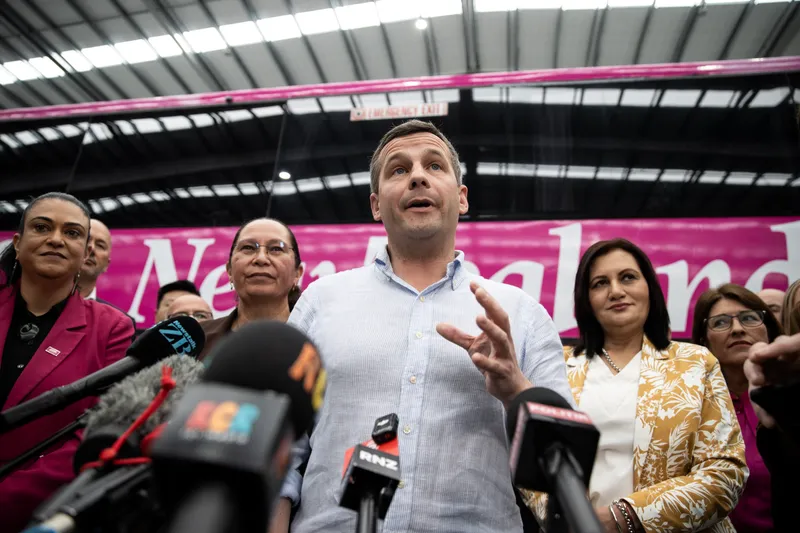
Act could find some common ground with parliament’s fresh party, but government-enforced market intervention through the Commerce Commission and a recommitment to the Paris Agreement will be incredibly off-putting to Seymour. On the other hand, Act has made an unhappy marriage with NZ First work so far (despite a few bumps along the road). What’s one more in the mix?
Te Pāti Māori
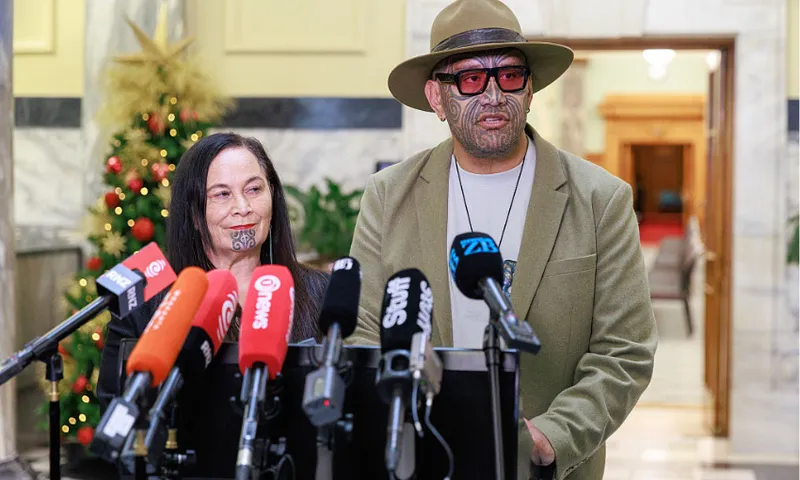
Co-leader Debbie Ngarewa-Packer and Rawiri Waititi are coming into talks with more leverage than many would have expected. Their campaign to win only the Māori seats largely worked, but commentators have questioned whether that means the party has the mandate to demand sweeping nationwide reforms.
Te Pāti Māori has a mostly healthy relationship with the Greens, so there shouldn’t be too much head-butting there. But the same can’t be said of their connection to Labour, with Hipkins ruling out any ministerial roles for the party’s MPs – especially justice and police. Ngarewa-Packer thinks differently: those conversations need to happen after the election.
NZ First
Winston Peters has not been seen since election night. But don’t expect the worst: the former kingmaker is probably just licking his wounds.
His deputy leader Shane Jones, however, has fronted a few media interviews. Appearing on Q+A on Sunday morning, Jones didn’t rule out a coalition with Opportunity, saying his party needed to “just wait until what the specials reveal”. Where they will have trouble is Wong’s unwritten bottom line to not join a government in which Peters is minister of foreign affairs. That, and the fact Peters thinks the party are "pinko communists".
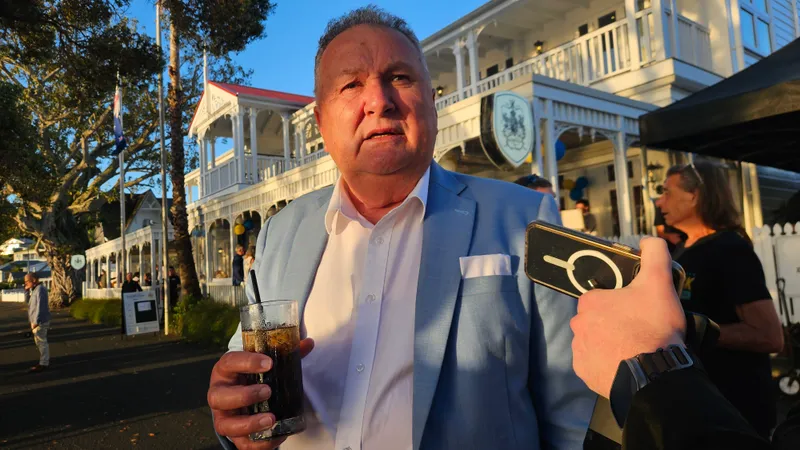
As for its talks with National, NZ First will likely be taking the same approach as Seymour. Jones has told the Herald that Luxon is “overplay[ing] his hand as to how powerful his position actually is”. NZ First has a few experienced MPs and a former National minister in its new caucus, so the party could be expecting more seats around the cabinet table than last time.

Lyric Waiwiri-Smith
Lyric is an award-nominated politics reporter at The Spinoff. She covers parliament from the press gallery, pens the weekly column One MP, One Pint and is endlessly curious about what makes our decision-makers tick. Off the clock, Lyric loves a live gig, a cold brew, and being a Wellingtonian (on a good day).


