How vaping became a new addiction crisis for Māori

Vapes were intended to help people quit smoking, but for many rangatahi, they have become an introduction to nicotine.
More than one in four Māori vape daily, as new figures reveal stark disparities in nicotine use across Aotearoa.
Driving home through Māngere the other week, I spotted two children in the navy blue uniform of a local primary school standing on the side of a busy road, casually sharing a vape. Neither looked older than 12. Vapes were supposed to help people quit smoking cigarettes. But here were two primary school children puffing away on one in broad daylight.
New figures from the 2025/26 New Zealand Health Survey reveal the extent of the problem. More than one in four Māori aged 15 and over vape daily, while vaping rates are highest among young adults and people living in the most deprived neighbourhoods. The vast majority of 15 to 17-year-olds who vape daily are classified by the survey as never having been smokers.
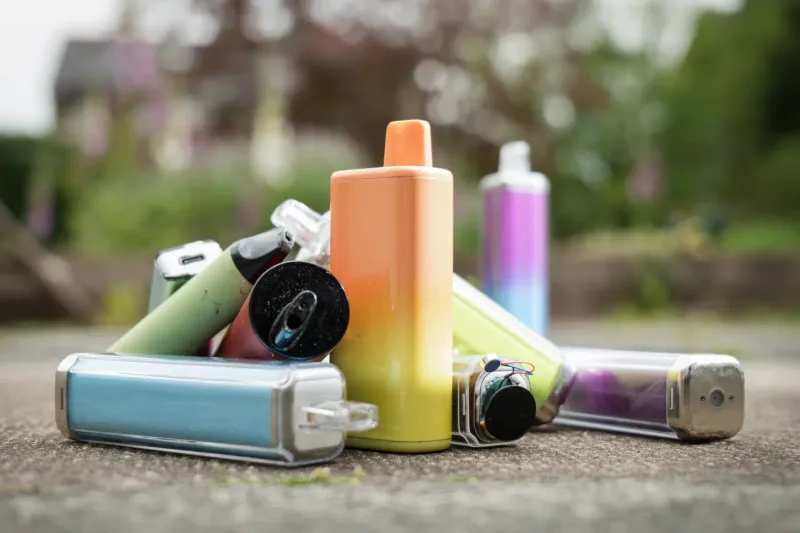
While e-cigarettes had been available in New Zealand for years, the widespread uptake of disposable vapes around the beginning of this decade saw their popularity surge. Before long, it seemed almost every dairy selling milk and bread was also selling vapes (many opened “stores-within-stores” to exploit a loophole that allows them to sell a wider range of flavours). Social media was rife with videos of vapour tricks, and products intended to help people quit smoking increasingly took on a life of their own.
“In New Zealand, e-cigarettes are in a really odd position where the government's actively promoting them as if they're a medicine, but they're not regulated as a medicine,” says Anaru Waa, an associate professor in the public health department at the University of Otago.
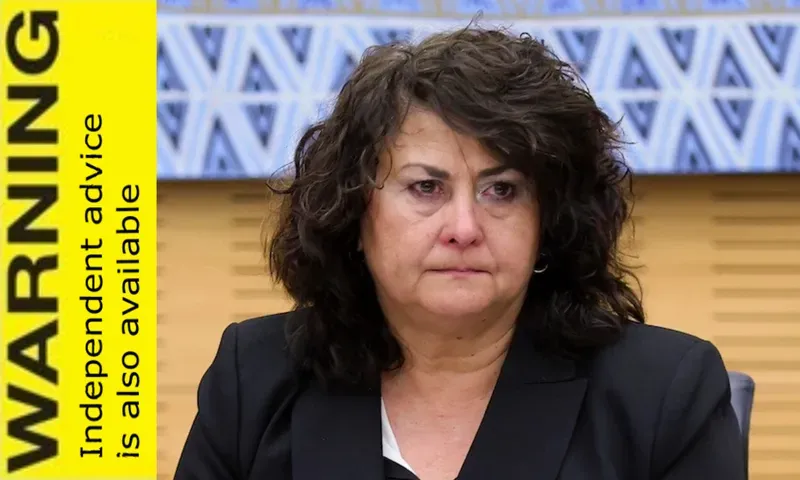
Daily vaping prevalence among Māori (28%) and Pacific peoples (20%) is markedly higher than among European/other (13%) and Asian (6%) populations. More than a quarter of 18 to 24-year-olds vape daily, the highest prevalence of any age group. Among 15 to 17-year-olds, daily vaping has increased from 3% in 2019/20 to 8% this year. Around 42% of daily vapers report vaping to manage stress, anxiety or depression, and vaping rates are highest in the country's most deprived neighbourhoods.
For Ben Youdan, director of public health organisation ASH (Action for Smokefree), the disparities are familiar. “It's always been much higher in populations who experience the highest rates of deprivation, and I think there's intergenerational inequities that exist there,” he says.
“Those who are least deprived have more access to healthcare, knowledge, support, better agency, and money to get help around stopping smoking or to stay off,” Youdan says.
While the survey report does not break down vaping prevalence by both age and ethnicity, Waa suspects rates among Māori and Pacific rangatahi are substantially higher than among their peers. He points to younger population profiles, higher smoking rates, socioeconomic deprivation and the concentration of vape retailers in lower-income communities. Youdan says tobacco and vape companies take an “aggressive” approach in these neighbourhoods.
“It's much harder to buy cigarettes in Remuera than it is in Māngere,” he says.
Within a five-minute walk of my house in Māngere central, there are at least six shops selling vaping products. There are about as many schools (after September 2023, new vape retailers were not allowed to open within 300m of a school, but the rule change did not affect existing stores). Both Waa and Youdan say the visibility and accessibility of vaping products are part of the problem, even for those who are not legally old enough to purchase them. But retailers are only one avenue through which rangatahi access vapes.
“A lot of young people, when they first get their vapes, purchase them through older adults, social networks, and even from parents or peers,” says Youdan.
“There's an intergenerational normalisation of smoking and vaping, and that's where I think we have some more complex and unique challenges,” he says.
For Youdan, the challenge is curbing youth vaping without undermining efforts to help smokers quit. He cautions against stigmatising people experiencing nicotine addiction, many of whom are navigating circumstances that make quitting particularly difficult. “We need to move away from the quite divided view of these things and understand some of the nuance, people's realities and support them through that journey,” he says.
Waa acknowledges the benefits of vaping for people transitioning away from cigarettes but questions whether the way New Zealand regulates the products strikes the right balance. “These things shouldn’t be getting into the hands of people who they are not technically supposed to be for, like people who haven't smoked at all. A lot of people are getting vapes and starting to get addicted to them,” he says.
Although national smoking rates continue to decline, Waa points out that smoking was already becoming less prevalent before the widespread uptake of vaping. He is concerned that rather than ending nicotine addiction, we risk perpetuating it in another form.
“I really push back on this idea that young people who've never smoked are simply the collateral damage to get people who smoke off cigarettes and onto vapes,” Waa says.
There is also a tension between the public health objectives used to justify the availability of vapes and the commercial interests of the companies selling them. “There's an industry whose profit motive is solely based on exploiting nicotine addiction,” says Waa.
The consequences of widespread vaping among rangatahi extend well beyond nicotine dependence. University of Otago senior lecturer Karyn Maclennan and kaupapa Māori health research fellow Lani Teddy say they have heard accounts of students feeling anxious about going to school or even using the bathrooms because other students are vaping there. Those who don't vape can face peer pressure from those who do.
Some rangatahi have reported switching to less physically demanding sports because they feel vaping has diminished their fitness. “There are just so many ways that young people are impacted by these products,” says Teddy.
Rangatahi themselves are questioning the logic underpinning New Zealand's approach to vaping. “We heard lots and lots of questions from rangatahi around if these products were designed to help adults who are smoking to quit, why do they have the flavours that they do, and why are they so accessible to us as young people?” says Maclennan.
Everyone I speak to agrees that making vaping products less accessible to rangatahi is an important part of addressing youth vaping. Where they differ is on how far restrictions should go. Across the Tasman, Australia has restricted the legal sale of vaping products, with or without nicotine, to pharmacies for smoking cessation and the management of nicotine dependence.
Youdan argues that Australia's approach has fuelled demand for illicit vaping products. Waa, Maclennan and Teddy, however, caution against allowing concerns about an illicit market to prevent stronger regulation.
“We need to put measures in place to preempt the illicit market from getting out of control. But we can't let that get in the way of doing what we need to do now for rangatahi,” says Teddy.
Despite recent restrictions on disposable vapes, retail displays and the location of new specialist vape stores, vaping products remain widely accessible across Aotearoa. For many New Zealanders, vaping has offered a pathway out of smoking. For others, it has become their introduction to nicotine. As with tobacco, the burden is not being shared equally.
The challenge is how to preserve the benefits of vaping for people trying to quit smoking without creating another generation of people who need help quitting nicotine. I keep thinking about those two children on the side of the road in Māngere. Vapes were never supposed to be for them. So we’re told.

Liam Rātana
Liam Rātana (Ngāti Wairupe/Ngāti Kurī) is editor of The Spinoff's Ātea section. He is passionate about indigenous and minority issues. Liam enjoys cooking, poetry, photography, and exploring the outdoors.


