Te Aka Whai Ora may be shut down but Māori health leaders are continuing its work

Te Aka Whai Ora may be gone, but the lessons remain. (Design: Tina Tiller).
What was disestablished in 2024 was a Crown entity with a name, a board and a budget. The institution of Māori leadership in decisions about hauora Māori is much harder to dismantle, writes founding board member Mataroria Lyndon.
When Te Aka Whai Ora was disestablished in 2024, I wrote that with or without a Māori Health Authority, the mahi would continue. I believed it then and believe it even more now.
The work to create much needed change in our health system – particularly for Māori – continues because the kaupapa was never owned by one organisation. It belongs to generations of Māori health leaders, hauora providers, iwi, whānau and communities who have spent decades working to improve the health and wellbeing of our people.
The need has not diminished
The need for transformation in our healthcare space has only grown since 2024. Compared to non-Māori, Māori continue to experience poorer health outcomes, have a shorter life expectancy, greater unmet needs and persistent inequities across almost every measure of health. These inequities did not disappear with the disestablishment of Te Aka Whai Ora, and neither did the need for Māori leadership.
Looking back now at the journey of Te Aka Whai Ora, I find myself returning not to the politics that surrounded it, but two moments that bookended its short life – two karakia.
In July 2022, I stood at Waitangi for the first karakia that marked the establishment of Te Aka Whai Ora. As a founding board member, there was an unmistakable sense that we were part of something much bigger than ourselves. We were giving institutional expression to an aspiration carried by generations before us. That aspiration was for Māori to have an enduring voice in shaping the health system that serves our people. Two years later, many of those at Waitangi for the first karakia stood there for the final one.
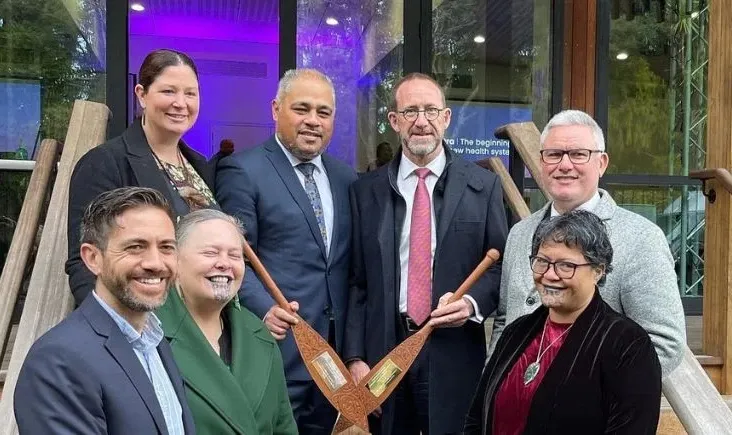
Few organisations begin and end between two karakia. Even fewer are given so little time to fulfil the purpose for which they were created.
Te Aka Whai Ora was established during extraordinary circumstances: it emerged alongside Te Whatu Ora Health New Zealand in the largest public service reform in New Zealand’s history, while the country was still responding to Covid-19. Organisations were being created while being expected to transform the health system at the same time. Expecting transformational change within a single electoral cycle was unrealistic – two years was never enough. Institutions created to address generational inequities should be judged over decades, not elections.
Before Te Aka Whai Ora had the opportunity to mature, it became a political symbol. Following the 2023 general election, the disestablishment of Te Aka Whai Ora was a priority for the incoming government. In a short period of time, one of the most significant health reforms in our nation’s history became one of its most contested political issues.
Those involved invested more than just our governance expertise – we invested hope that our tamariki and mokopuna might inherit a health system where Māori leadership was not an exception, but an essential part of achieving equitable health outcomes. While that hope did not disappear with the institution, its loss still hurts.
Like many who helped establish Te Aka Whai Ora, I was forced to move on to the next chapter of my own mahi, but I carried the kaupapa with me. Over the past three years, I have served on Te Tira Tū Iwi Māori Partnership Board and Rangitāmiro Whānau Ora Commissioning Agency. It was through this work that my own thinking began to change.
I came to realise that what was disestablished in 2024 was an organisation, a Crown entity with a name, a board and a budget. The institution of Māori leadership in decisions about hauora Māori is much harder to dismantle, because it does not live inside a single organisational chart. I no longer think the central question is whether Te Aka Whai Ora itself should return. The more important question is whether we have learned enough to design the next generation of Māori health leadership. Māori leadership and decision-making is no longer the debate – decades of evidence and the experience of Te Aka Whai Ora demonstrate why it matters. The real question is what institutional form should carry that leadership into the future.
What we have learned
Serving on an iwi Māori partnership board and in the Whānau Ora commissioning system has made me no longer view these as separate initiatives. Instead, I see them as different expressions of the same underlying principle: decisions affecting Māori health are better when made by Māori and closer to whānau and communities.
The disestablishment of Te Aka Whai Ora has not diminished my belief in Māori leadership, but strengthened it. The next iteration – whatever it may be – should not attempt to recreate the past, but build on it.
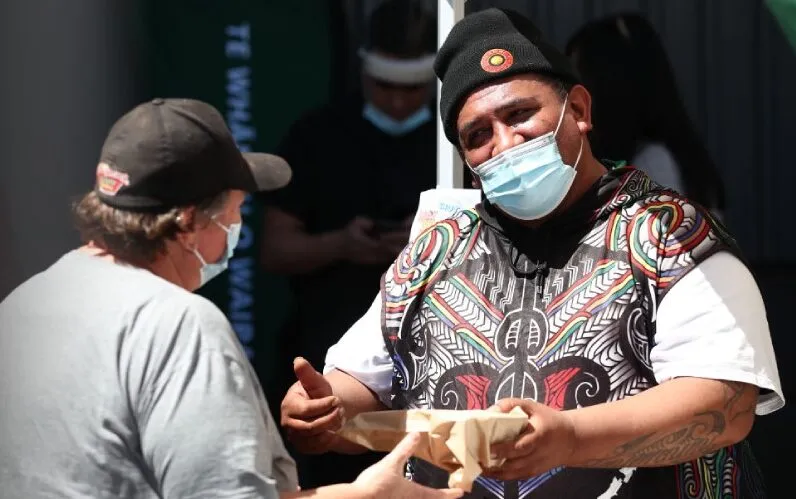
If I was designing the future of Māori health today, I would begin with enduring strategy, independent stewardship and transparent monitoring of Māori health outcomes. Commissioning should evolve progressively through partnerships with iwi Māori partnership boards, whānau ora commissioning agencies and Māori service providers. Capability should grow over time, rather than being expected to appear overnight. It’s a slower approach, and a more durable one.
With another election approaching, debate about Māori health leadership will inevitably return. Beyond asking whether one particular organisation should come back, the more important question is how Māori decision-making becomes an enduring feature of our health system. Health inequities that have existed for generations require institutions that can endure for generations.
I often think back to the two karakia at Waitangi – the first marked the beginning of an organisation and the second marked its end. Neither defined the kaupapa – the organisation ended but the aspiration did not.

Mataroria Lyndon
Dr Mataroria Lyndon (Ngāti Hine, Ngāti Whātua, Ngāti Wai, Waikato) is a senior lecturer in medical education, director of population health and equity at Tend Health, and member of Te Tiratū Iwi Māori Partnership Board.


