Tuku whenua: A day Aucklanders can come to know and share

An aerial view of Maungawhau looking towards downtown Auckland, the whenua made available for the settlement of the city.
As we celebrate Te Wiki o te Reo Māori, it feels right to remember an important moment for Ngāti Whātua and Auckland. These kaupapa meet this week. Both ask us to listen, learn and reconnect with the people, places and stories of Tāmaki Makaurau.
I grew up in Auckland knowing I was Ngāti Whātua, but not all the kōrero about the whenua beneath my feet. I knew the streets, beaches and landmarks, but few of their original names or histories. I knew the city I could see, but not the story underneath it.
The history was close. My father, Hapi Pihema, was one of many kaumātua and cultural leaders who worked to strengthen our people and rebuild our cultural estate. He helped protect and pass on the kōrero. As a boy, I did not understand that work. Sometimes the stories closest to us take the longest to hear.
As I grew older, I learned more about Apihai Te Kawau and the tūpuna beside him. In 1840, Te Kawau sent people north to invite governor William Hobson to Tāmaki Makaurau. He saw that a new township could bring peace, trade, opportunity, and hoped Māori and Pākehā could build a relationship together.
On 18 September 1840, Te Kawau and his people made 3,000 acres available to establish Auckland. This is often called a gift, but tuku whenua means much more. The land was not handed over and forgotten. It was an act of mana, leadership and manaakitanga, offered in the hope that people would care for one another and build a future together.
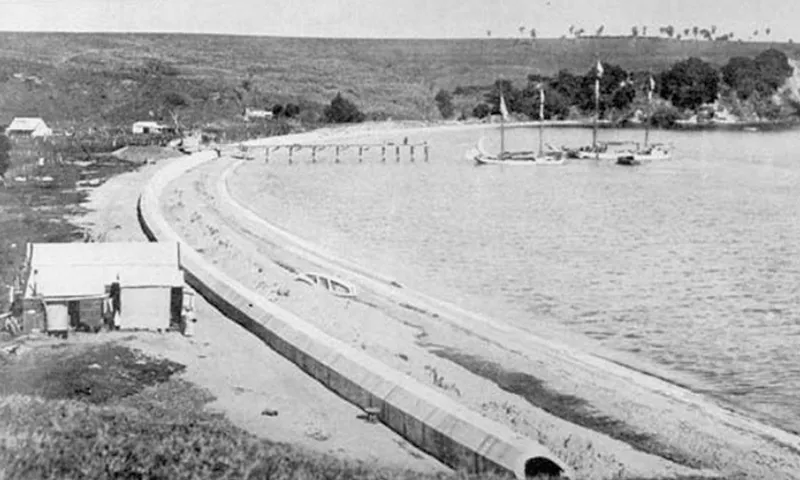
Sadly, that is not how the story unfolded. Ngāti Whātua lost almost all its land. By the 1950s, our people at Ōkahu Bay were virtually landless, and homes were pulled down before a royal visit. Years later, Takaparawhau became an important fight for justice and the survival of our people.
That hurt is part of the story, but not all of it. We also remember the courage and generosity of Te Kawau and our tūpuna. They looked ahead with hope. We must hold both sides: the future they offered and what happened when the promise was not kept.
For me, learning this history has been about finding my place. It explains why some places carry so much feeling, why Māori names matter and why whenua can feel familiar even when its stories are unknown. It has shown me what I must pass on.
Today, Ngāti Whātua will gather at Auckland’s viaduct to remember Te Kawau and his people. Through karanga, karakia, whaikōrero and mōteatea, we will honour 1840. Beside the Waitematā, we remember the hopes our tūpuna held for the city that would grow here.
This remembrance is not only for Ngāti Whātua. It is an open invitation to Auckland.
That spirit sits at the heart of the Poumatua Festival, finishing Saturday 19 September. For the first time on this scale, Te Kawau, tuku whenua and Auckland’s beginnings are being shared openly. Through kōrero, kapa haka, learning, creativity and whakawhanaungatanga, we welcome Aucklanders from every background.
We invite people to get out and explore this whenua. Walk across the land. Learn the Māori names. Find out about the maunga, waterways, bays and old pathways beneath our roads. Reach into those connections. They help us understand where we live and build identity and belonging. Whether your family has been here for generations or recently arrived, there is a place for you in this story of our shared city.
Perhaps 18 September can become a day Aucklanders come to know and share for themselves. A day to stop, look around and think about what made this city possible. If people pick it up in their own way, its meaning will grow. In time, Auckland may choose to recognise it officially as a day of importance.
My hope is simple: I want our children to know that Tāmaki Makaurau has a story shaped by courage, generosity and hope. On 18 September, Ngāti Whātua invites Aucklanders to remember with us and reconnect with that beginning. It can be a day we share as proud Aucklanders, each of us searching for connection and identity. By knowing this story, we may come to know our city, and one another, a little better.

Joe Pihema
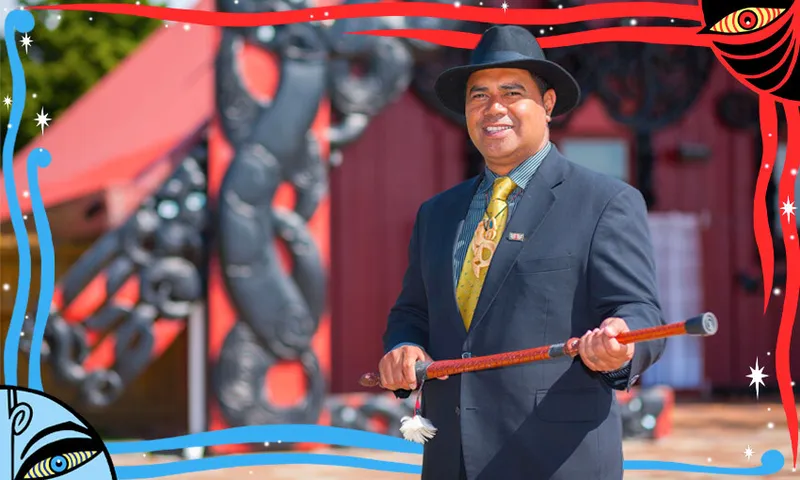
Joe Pihema is a cultural leader of Ngāti Whātua and trustee of Te Rūnanga o Ngāti Whātua and Ngā Maunga Whakahii o Kaipara Development Trust. He is head of kaupapa Māori at Auckland Art Gallery Toi o Tāmaki and a member of Auckland Museum’s Taumata-ā-Iwi.


