

From a grandmother’s celebration potatoes to recipes smuggled out of a city at war – Nick Iles on the memories that underpin some of the capital’s favourite foods.
Nobody makes anything of any significance in isolation. We are all informed by the things we have consumed – quietly organising and storing information away for when we choose to create. This is as true in food and hospitality as anywhere. As British chef Clare Smyth put it, “with any chef, you can see everyone they’ve worked for. You can see the techniques and ingredients and flavours. It’s part of your DNA. It’s your background.”
Chefs and restaurateurs have spent a lifetime eating and thinking and looking. Watching their mothers and fathers cook the meals of their childhoods, listening attentively as the chefs they worked under talked through their signature techniques, feeling and noticing every time that they do anything at all.
‘Word of mouth’ is the theme for Visa Wellington on a Plate this year – “celebrating how food stories, heritage recipes, and personal recommendations travel across generations, cultures, and communities”. The theme highlights how culinary influences – personal, cultural and professional – make eating in Wellington such a gloriously diverse experience. Across the capital, whether in Michelin-starred fine dining or through affordable dishes brought here by masters of their craft, these narratives are being kept alive, today and every day.
The Wellington dishes below are more than just food on a plate. They are stories rich in history, family and connection.
Phoenician Falafel: Beef makanek

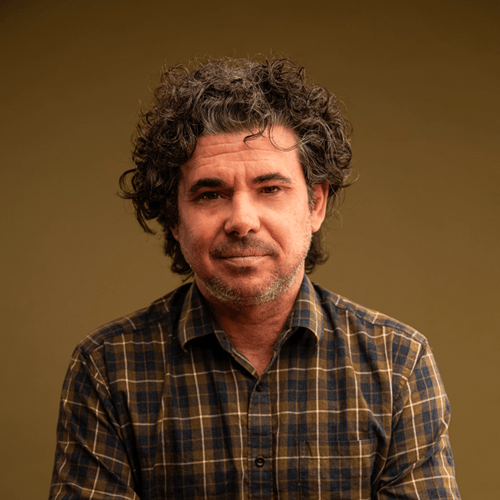
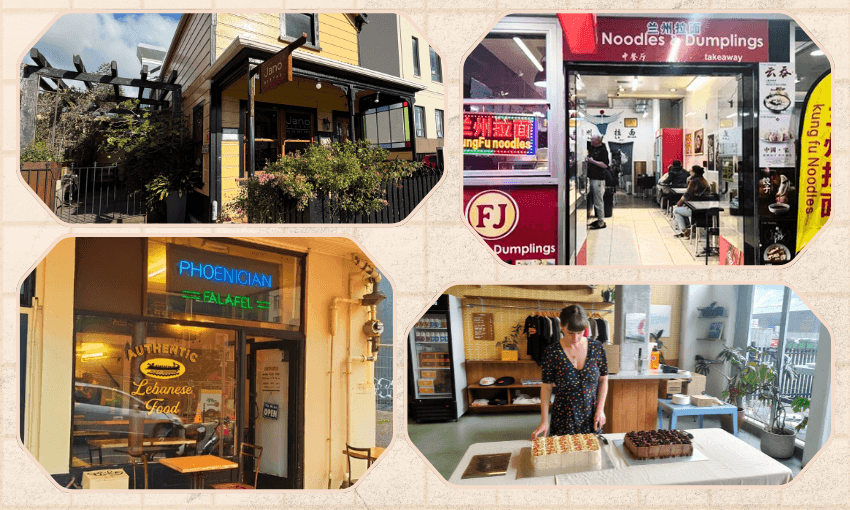
At Phoenician Falafel, the beef makanek carries a remarkable amount of history. Owner Tony Assaf grew up in Beirut, where food was part of the fabric of a city that was increasingly being torn apart by conflict. When the Lebanese Civil War made him a wanted man, he began secretly collecting recipes from the people making the best food in the city.
The best falafel seller told him his recipe. So too did the best shawarma maker. Then came the seller who made the best makanek, a type of sausage. These were not recipes written for a cookbook – they were pieces of knowledge handed from one person to another, gathered in a moment when Tony did not know if he would survive.
In 1995, Tony and his wife Yola brought those recipes with them to Aotearoa. At Phoenecian Falafel they have remained wholly unchanged. When she makes makanek, Yola still shapes the premium beef by hand, seasoning it with the spices of the Levant before cooking three fat sausages on the flat-top. Wrapped in warm bread with homemade hummus, pickles and tomato, it is an intensely savoury, aromatic thing. It is what happens when knowledge survives – and is carried carefully somewhere new to thrive.
Phoenician Falafel: 11 Kent Terrace, Mount Victoria
Jano Bistro: Dauphine potatoes

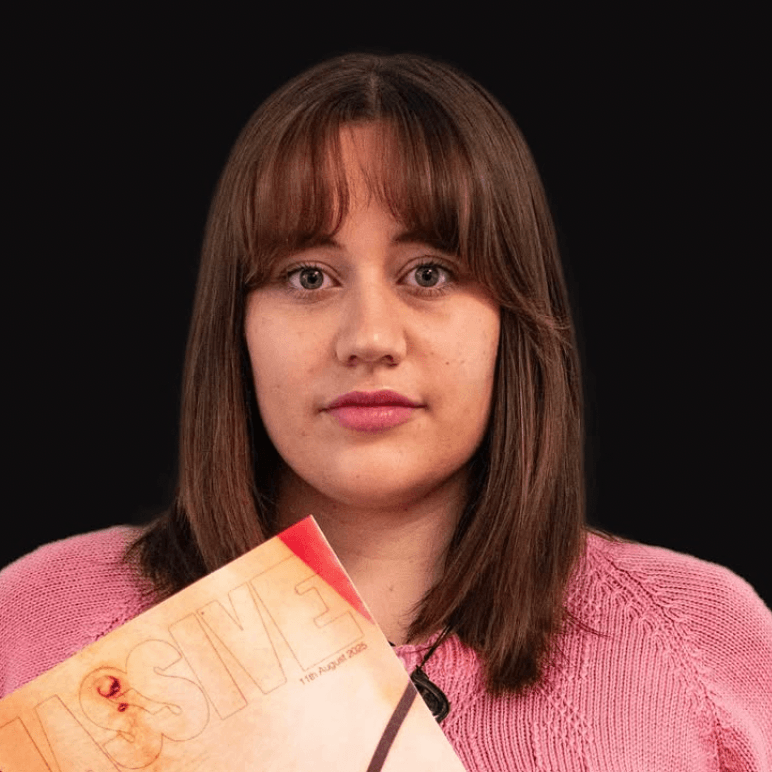
At Jano Bistro, Pierre-Alain Fenoux’s dauphine potatoes – not to be confused with dauphinoise potatoes – are a recipe for celebration. They come from his grandmother, who would make great piles of them when the whole extended family sat around the same table. Rich, crisp and made from a mixture of choux pastry and cooked potato, they were not an everyday food. They were a reward, something that appeared when there was a reason to make the occasion feel special.
Pierre has carried that idea with him to Wellington. The recipe is much the same, including his grandmother’s addition of chervil and comte cheese, but what he has inherited is more than a list of ingredients. His grandmother taught him that food should have a purpose. You should not add things simply because you can. Everything should mean something, and, ideally, make someone feel something.
That is what the potatoes do at Jano. They are indulgent and deliberately excessive; little golden reminders that you have arrived somewhere worth celebrating. Serving a dish Pierre’s grandmother made for her own celebrations is a way of passing that feeling on: a recipe from his family, now used to make other people feel like there is something worth celebrating too.
Jano Bistro, 270 Willis Street, Te Aro.
FJ Noodles and Dumplings: Hand-pulled noodles

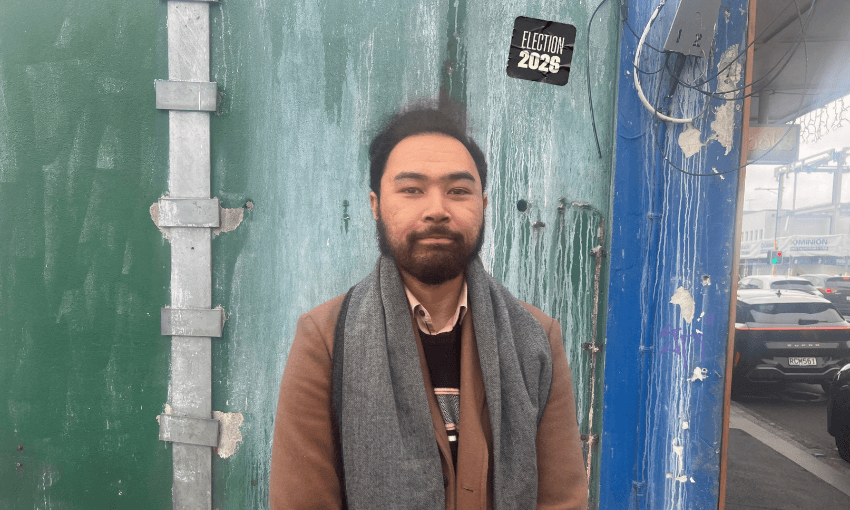
There is something remarkable about a technique surviving for more than a century, all because one person teaches another how to do it. The hand-pulled noodles at FJ, born in Lanzhou, China, are exactly that. These noodles are a direct line to the past, the tradition having been passed from one generation of cooks to the next, master to mentee. Chef Ma at FJ learnt the technique there from his teacher, Chef Ma. The coincidence is charming, but in truth most who hail from his village bear that same surname – a testament to how closed off the community of qualified noodle masters really is.
Ma spent six months learning in a restaurant, kneading dough by hand and watching his teacher whenever the noodles were being made, before being allowed to practise by himself. At first, the problem was getting them even. Some parts were thick, others thin. His teacher showed him how to change the way he pulled the dough and suddenly it worked. Then came the real challenge: getting fast enough to keep up when the restaurant filled with customers.
While the flour is now mixed by machine, the pulling at FJ Noodles is still done by hand, using the same technique handed down to Chef Ma from Chef Ma. From one small village in northern China to a steaming, deeply satisfying bowl on Courtenay Place.
FJ Noodles and Dumplings: 45 Courtenay Place, Te Aro
Cloudbuster: Weekend counter cake by Lydia Wisheart

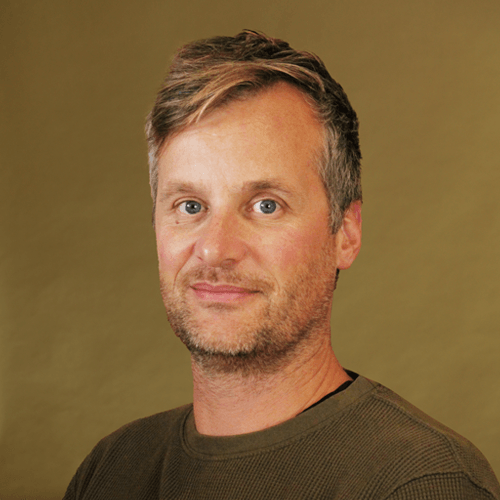
The cakes Lydia Wisheart creates are the product of a decade of obsessing over baking, and a decade of learning from some of New Zealand’s most talented bakers and chefs. While Lydia’s cakes were previously available only through her online bakery, one now appears on the counter – available by the slice – at Cloudbuster in Island Bay every Saturday.
Before heading off to pastry school, Lydia was given her first cooking job by Freya Atkinson at Seashore Cabaret on Petone’s waterfront. Next, in Auckland, she worked at Bestie with Nicola Standage, whose inventive approach to breakfast showed Lydia how familiar dishes could be pushed somewhere more interesting. Then, at the much-missed Myrtle Bakery in Wellington, Jacob Brown helped her find the part of pastry that really interested her: flavour profiles, and the byzantine process of figuring out what flavour works with what. Brown, especially, taught her to trust her instincts and let an idea sit until it was ready.
This is still how Lydia makes her cakes. An idea starts as a seed, then gets turned over in her head, with flavours and textures added and removed until the pieces click. Only then does she start baking, the difficult part seemingly already done.
The Saturday cake at Cloudbuster is an example of one of the most beautiful things in food – someone at the top of their field, with a wealth of knowledge and experiences, seeing things differently from everyone else and, as a result, creating something truly unique. Then putting it on a counter so we can all enjoy a slice.
Cloudbuster: 30 Reef St, Island Bay