Levelling the field: The fund helping disabled people compete in this year’s election

Image: Emily Wong/The Spinoff
In partnership with

Thinking about being an election candidate but worried your disability could make campaigning too hard? You need to know about the Election Access Fund.
With the general election less than three months away, many are beginning to consider their priorities for the next three years, and who would best represent those in parliament. But what if the answer to that question is… yourself? In our democratic system, anyone should be able to be a candidate in the general election. However, certain groups, like the one in five New Zealanders living with disability, may find themselves facing more barriers to being a candidate compared with others.
That’s where the Election Access Fund comes in.
“We know that for people with disabilities there are more barriers to participating as a candidate in an election, including financial ones,” says Leigh Deuchars, deputy chief executive of strategy, governance and development at the Electoral Commission.
“This fund is designed to remove some of the financial barriers that would get in the way… it’s about everyone being able to take up their democratic right as New Zealanders.”
What is the Election Access Fund?
The Election Access Fund is funding for disabled candidates to meet additional costs, and is administered by the Electoral Commission. It was designed to remove or reduce barriers for potential candidates in a general election (or by-election) as a result of their disability or disabilities.
The bill to create the fund was introduced by Mojo Mathers, New Zealand’s first Deaf MP, to address some of the barriers she faced when campaigning. The bill passed into law in 2020 and the fund opened in 2022. Before the 2023 election, there were four successful applicants for funding worth $45,375.
Despite 2026 only being the second election cycle for the fund, it has already received international recognition. It’s currently on the shortlist – whittled down from 615 nominations across 94 countries – for the Zero Project Awards 2027, which recognises projects that address the needs and rights of people with disabilities from across the world. The award recipients will be announced in December.
One of the 2023 Election Access Fund recipients was Neelu Jennings, a disability advocate who campaigned in the Hutt South electorate in the last election. Due to a brain injury, Jennings is legally blind and has no sense of balance, which makes orienting herself a challenge. With a grant from the Election Access Fund, Jennings was able to access an assistant to help organise transport and coordinate accessibility needs with event venues. Without this support, Jennings said she wouldn’t have been able to be a candidate, telling The Spinoff at the time that the challenge would have been “way too much” without the paid assistance.
“It didn’t advantage me, it just meant I was able to do what every other candidate did,” she says now.
Who is eligible?
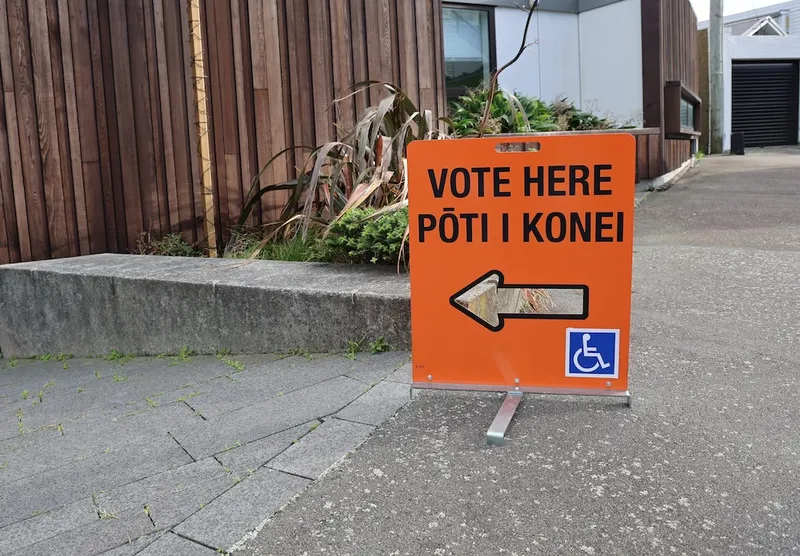
If you are a candidate or seeking election as a candidate in the upcoming general election, and you have a long-term disability which may cause barriers to seeking candidacy or campaigning, you are eligible to apply for funding under the Election Access Fund.
Here, long-term means lasting, or likely to last six months or more, and “disability” means any physical, mental, intellectual or sensory impairment which may prevent full and effective participation in society compared with others.
The funding can be accessed whether you are looking to campaign for a political party, or as an independent electorate MP.
If you are seeking to be selected as a candidate with a political party, you do not have to be formally selected, and the party does not have to be registered with the Electoral Commission before you apply for the fund.
What costs does it cover?
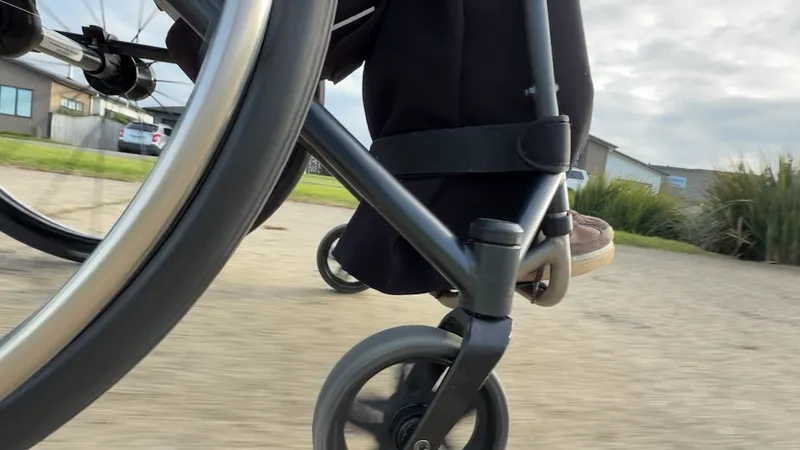
If you are seeking selection with a registered political party you can apply to cover associated costs such as attending meetings. Selection funding is available until the deadline for nomination of candidates on October 8.
Candidates can also apply for costs associated with being a candidate and/or campaigning until election day on November 7.
You can apply for selection and campaign costs at the same time, or discuss campaign costs with the Electoral Commission after publicly announcing your candidacy.
Since the fund opened again for this election in May 2025, there have been eight successful applicants who have received a total of $68,139.29. This funding has been used to cover a range of costs including transport and assistive technology.
Deuchars notes that the range of disabilities and potential supports are so broad that it is difficult to compile an exhaustive list of what is available. However, the fund is flexible, and the Electoral Commission is able to work with candidates to figure out solutions for their specific needs. Additionally, this support is ongoing. Although the initial application requires the candidate to have an estimate of their accessibility costs, the fund is able to support candidates who encounter additional needs while campaigning.
How do I apply?
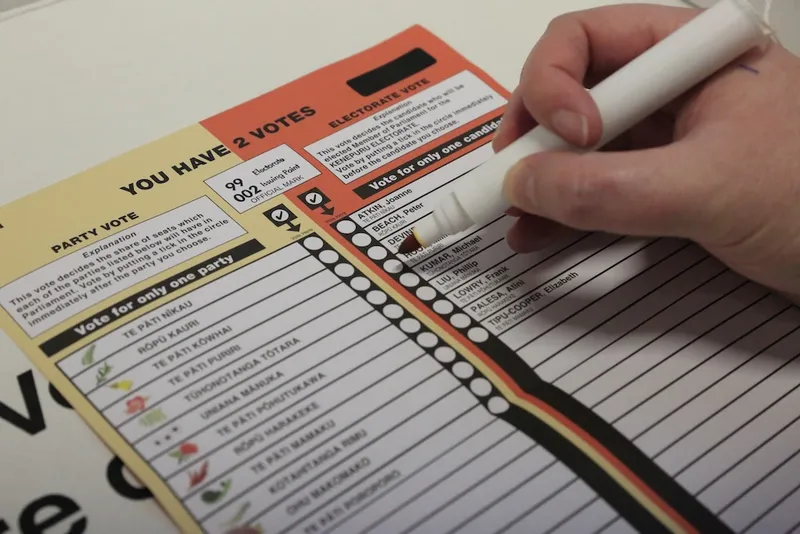
In addition to filling out the application form, applicants need to gather supporting documents, such as estimates or quotes for the equipment and support services you would like to have funded. Applicants should then read the budget guidelines and fill in the template, available in a screen-reader Word or Excel form. Applicants will also need evidence they are seeking selection, or evidence they are selected as a candidate such as an email or letter to the party secretary, or a copy of their public announcement as a candidate.
The application is anonymised and then assessed by a panel, which includes representatives from varying disability organisations with extensive knowledge and experience in the disability sector. The panel will discuss how the application best supports your needs.
Applicants who require help completing the application can call or email the Electoral Commission on 0800 36 76 56 or electionaccessfund@elections.govt.nz. More information about eligibility and applying, including accessible formats and translations, can be found at elections.nz.
The main takeaway, Jennings says, is that disability doesn’t need to be a barrier for anyone considering becoming a candidate. “We need more disabled people represented in our parliament,” she says. “The Election Access Fund is a tool to help this representation.”
This piece was made in partnership with the Electoral Commission. Find out more about the Election Access Fund, and how to apply, here.


