
The concerns that are top of mind, and the parties we rate best to deal with them.
Cost of living remains the paramount issue for New Zealanders as the election campaign goes full throttle, with health a growing concern in second place and unemployment a bigger issue for people than it has been for five years. According to the last edition of the Ipsos Issues Monitor before the election, Labour is still judged the best equipped to deal with all five top concerns, with National closing the gap on most.
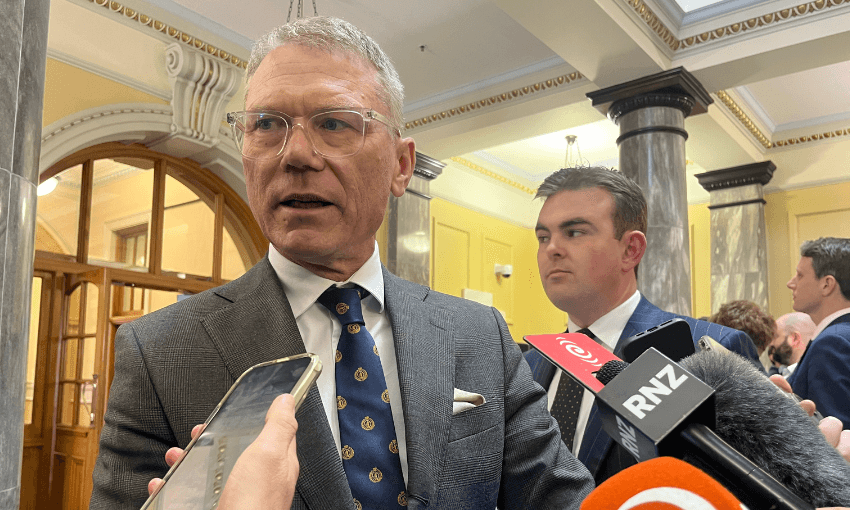
The health minister, Simeon Brown, this week celebrated a system meeting the targets the government has set. He acknowledged the “pressure is real” across healthcare, but suggested some of the “negative claims” had been unfairly amplified.
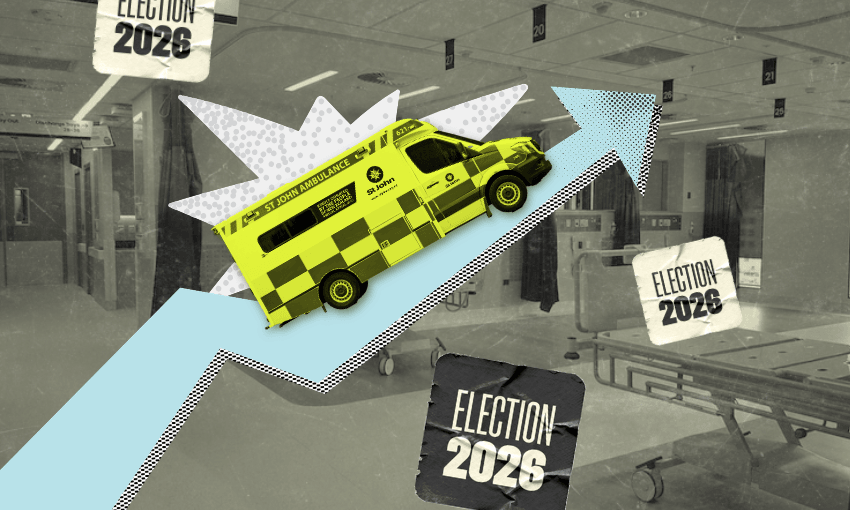
The pressure is clearly real in the public mind, with 44% of respondents pointing to healthcare and hospitals as one of their three top concerns, up from 38% in the July survey. At the same point before the last election, it was a top issue for 32%.
The contrast is marked across the ditch. In the Ipsos Issues Monitor for Australia, healthcare comes in sixth, picked by less than half as many people: 20%.
Among the other big movers when compared with the last such survey before the 2023 election are the economy, up from 24% then to 34%, and unemployment, which has leapt into fourth place on 21% – a long way from the 4% of three years ago and its highest level since 2020.
By contrast, housing has fallen as a top issue, from 31% to 19%, while crime and law and order are today a top concern for 15%, dramatically down from the 37% of 2023.
The party lines
As National and Labour prepare to formally launch their campaigns on Sunday, the red team will be happier with the “most capable” board.
But those blocks of colour don’t tell the full story. On four of the top five issues, National is closing the gap.
On cost of living, the gap is the same, but confidence in both major parties has ebbed. Labour is now backed by 31% as most capable of managing the issue, down from 35%. For National, it’s 21%, down from 25%. This echoes a number of polls in recent months suggesting a historic lack of enthusiasm for the two biggest parties, and may help to explain the twin pushes for extraordinary intervention in the supermarket sector.
Both the Greens (8%) and Act (6%) have added a couple of points on cost of living.
Across health, the economy, unemployment and housing, National has narrowed the gap. There will be frustration, however, that it remains second on its home turf of the economy, where it has dropped from 30% to 28%, while Labour has dropped from 34% to 30%.
Labour will be similarly frustrated that there is no growing confidence it has the answers on health. Here, the numbers that see Labour as best placed have fallen from 41% to 38%, still well ahead of National, which moves from 20% to 21%.
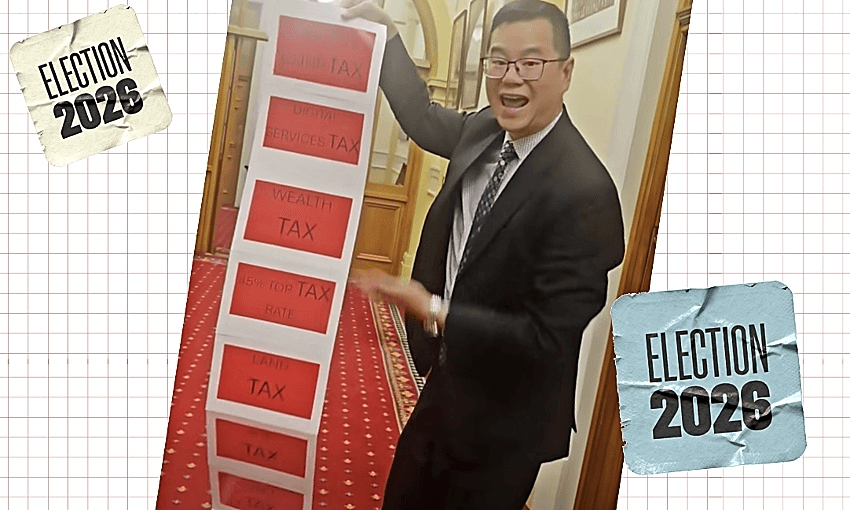
Taxation – an issue which is dominating National Party advertising so far – is nudging upwards on the Ipsos measure, where it is ranked 12th, picked by 8%. The Spinoff explores a range of Ipsos polling on sentiment towards tax, including levels of enthusiasm for a capital gains tax, land tax, wealth tax and bed tax, in a post here.
How is the government performing?
Ipsos also asks respondents to rank out of 10 the performance of the government over the last six months. The average rating for the incumbent coalition is unchanged at 4.1, adding to the picture of what promises to be for all a nail-biting few weeks.