


The government was warned it would be premature to consider reform while a court case against emitters was under way.
This story was first published on RNZ
Justice officials advised the government not to intervene in a court case being taken against major emitters, offical documents show.
Despite that, the government announced it would amend climate laws to prevent companies from being sued over damage caused by greenhouse gas emissions, stopping a landmark case in its tracks.
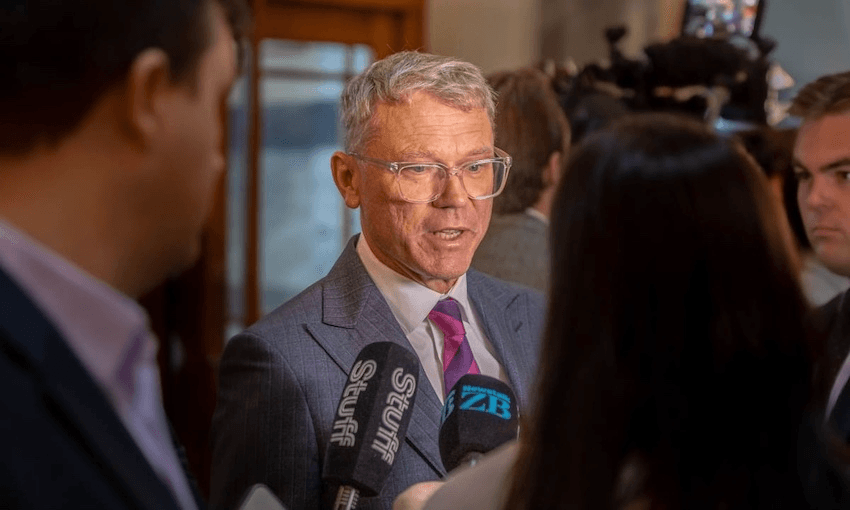
Justice minister Paul Goldsmith told RNZ “officials provide us with a range of advice and potential outcomes, but it is for the elected Government to determine how it moves forward.”
When the government announced the change, Goldsmith said the government was clarifying climate change laws to provide businesses with certainty around their obligations.
“Ongoing litigation in the High Court, where an applicant has brought civil claims against six major businesses for their greenhouse gas emissions, is creating uncertainty in business confidence and investment that the government must address,” he said earlier this month.
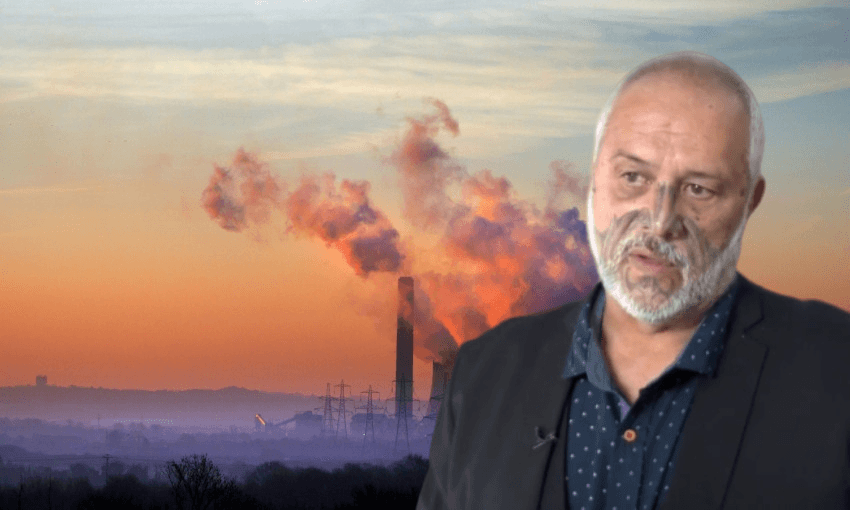
Goldsmith said the law change would address the uncertainty in business confidence created by climate activist Mike Smith’s case against major corporate emitters.
Proactively released documents show ministers asked for advice on options to address the potential legal uncertainty created by climate litigation.
A briefing from June 2025 recommend the status quo, “allowing the common law to develop to better inform the quality of any future reform.”
“We recommend that no action be taken on the reform of the tort of public nuisance at this stage.
“In our view, it would be premature to consider policy reform while relevant court proceedings are still underway,” the briefing said.
“Once the decision is issued, the government will be in a better position to assess the facts and reasoning adopted by the courts, providing a more informed basis for any future consideration of reform.”
The briefing suggested if the government wants to proceed with reform, there were two legislative options: a statutory bar on claims relating to greenhouse gas emissions, or, a requirement that the attorney-general approve public nuisance claims.
A draft Cabinet paper from March 2026 acknowledged the introduction of a statutory bar could have the “longer-term, unintended effect of decreasing certainty in the law” – despite the government saying it was changing the law to address uncertainty caused by the Smith v Fonterra case.
By April this year, the status quo remained the Ministry of Justice’s preferred option, but the Regulatory Impact Statement (RIS) noted that wasn’t the option presented in the cabinet paper on the proposed legislation.
The preferred option was “immediate legislative change to impose a statutory bar on emissions-related tort claims.”
The RIS also concluded that the problem definition – the government’s concern about the impact of the ongoing litigation in Smith v Fonterra on business and investor confidence – is based on an assumption the case has a negative impact on that confidence.
“While acknowledging that some consultation has occurred with legal experts, the panel considers that a lack of any business perspective means that the underlying question of the impact on business confidence has not been adequately tested.”
“We have not identified any evidence that the ongoing court proceedings have had a measurable impact on business confidence.”
The RIS did however note a statutory bar would protect emitting businesses from tort liability, “providing greater legal certainty to GHC emitters.”
“This would reduce legal-risk planning costs and minimise expenses associated with defending litigation or compliance with potential court orders.”
The ministry also recommended the reforms be applied prospectively. The government instead applied them retrospectively, drawing criticism from the New Zealand Bar Association.
It comes following a parliamentary debate on the issue, called for by the Greens co-leader Chlöe Swarbrick.
Following the release of the documents, Swarbrick told RNZ the government decision to cut off New Zealander’s right to hold major polluters accountable for their emissions gets “unhinged” with every new piece of information revealed.
“Despite Ministers arguing this was critical for business confidence, their official advice is clear that there was no clear business perspective available nor sought to come to such a conclusion.
“There were warnings this could lead to more litigation, not less, may not even cut costs, and was deeply dangerous in breaching the rule of law and applying retrospectively.”
| This story was first published on rnz.co.nz |  |