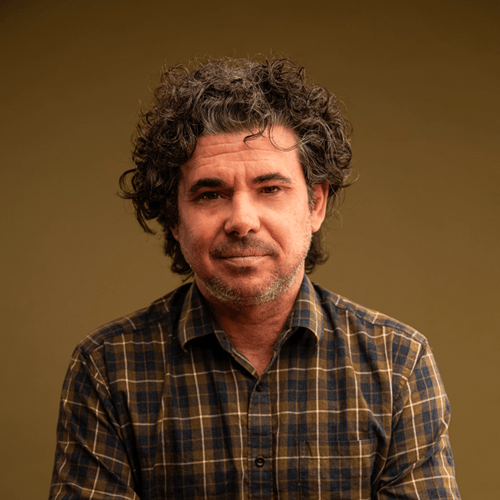



Country Calendar narrator and producer Dan Henry reveals why the farming show is still going strong after 60 glorious years on New Zealand TV screens.
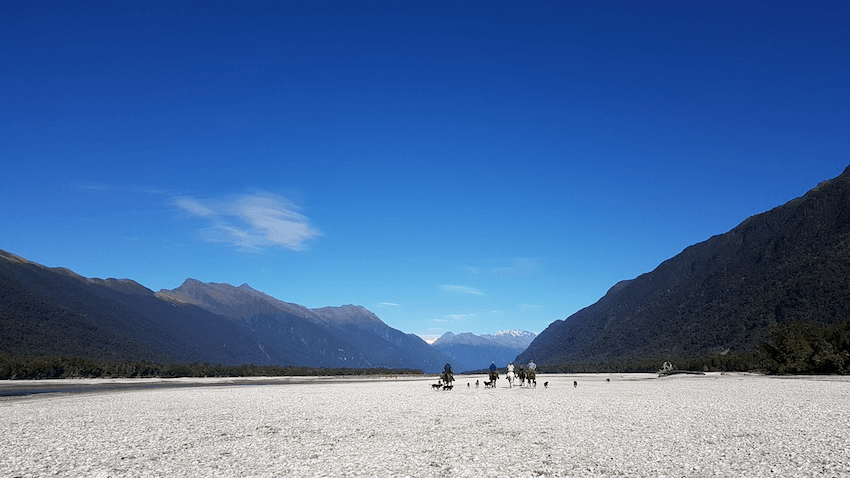
With over 1600 episodes of Country Calendar to choose from, it’s a hard task for Dan Henry to pick a favourite. Indeed, his favourite episode is usually the one he’s just finished making, he tells The Spinoff, but the narrator and producer of the country’s longest-running television show does have one particular story he keeps coming back to. Henry was the director of a 2017 Country Calendar episode titled “Life On The River”, which followed the Nolan whānau on their autumn cattle muster across the Arawata River in South Westland.
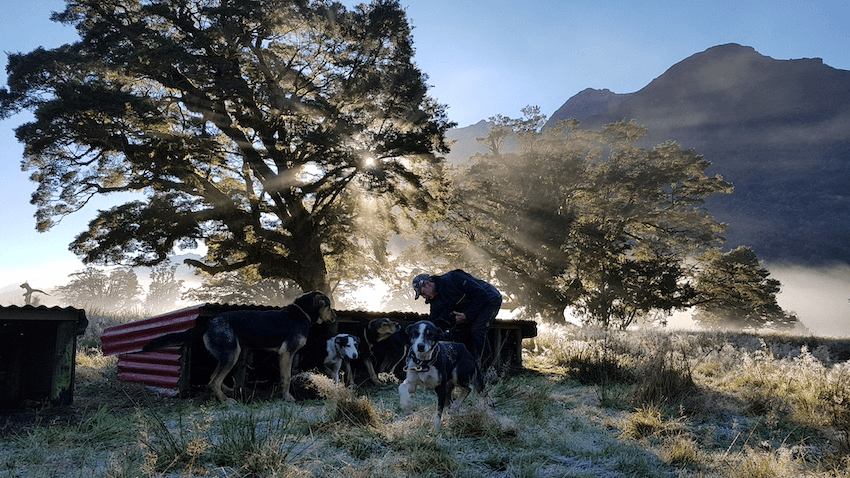
For five days, the film crew accompanied the Nolans, eight horses and 30 dogs as they travelled by horseback and jetboat to muster 300 Hereford cattle and their calves out of the higher grazing country to winter on the flats. “It was a real adventure and a logistical challenge,” Henry recalls, describing how they crossed the river around 30 times during the muster, filming throughout and sleeping in musterers’ huts each night. It was an impressive journey through some of the country’s most remote countryside, but what made the trip extra significant for Henry was that it was Country Calendar’s second time with the Nolans. The show first filmed the muster in 1987, and while the Nolan family had grown in the three decades since, the 2017 footage revealed how little this epic farming tradition had changed.
That’s the brilliant thing about 60 years of one particular programme, Henry believes, as Country Calendar celebrates that extraordinary milestone this week. Not only has the show brought us rural stories of resilience and ingenuity for six impressive decades, it has also provided a rich, multi-generational record of our social history that reveals far more about us than just farming. “It captures our clothing, our hairstyles, the vehicles we drove, the way we spoke, the words we used,” he says. “When you look back [on those older episodes], they really inform who we are, and who we were.”
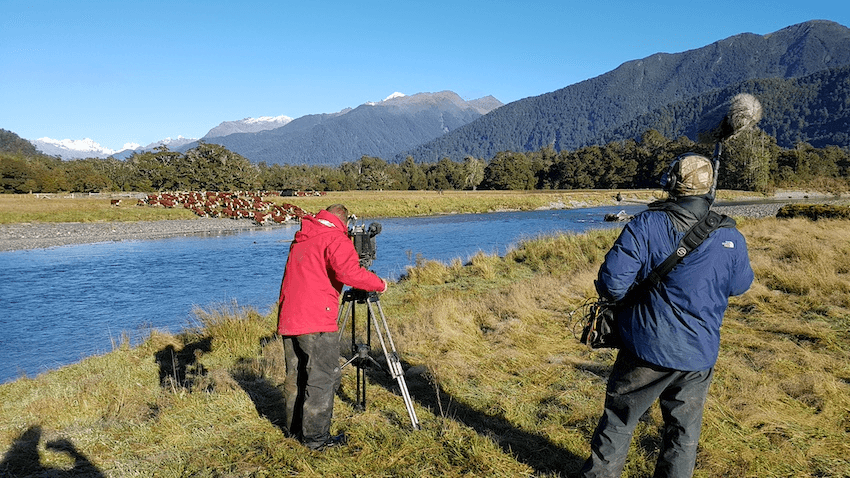
From its earnest beginnings as a dry, formal 14-minute black-and-white news bulletin on March 6, 1966 (presenter Fred Barnes sat in the NZBC studio smoking a pipe), Country Calendar has become a national treasure. It’s the farming show that tells inspiring stories that appeal to both rural and urban New Zealanders, celebrating ingenuity and community, while also showcasing our most impressive natural landscapes by transporting us to far-flung corners of the motu that most of us will never have the chance to visit. Country Calendar has embedded itself deep into New Zealand culture, and is both our longest-running television series and one of our most popular, both on broadcast TV and TVNZ+. “It still rates its arse off,” Henry says proudly.
The reason for that, Henry believes, is that there’s no flashy gimmicks with Country Calendar. Technology may have improved vastly since 1966, but what hasn’t changed is Country Calendar’s simple, observational form of storytelling. For 60 years, the program has stuck to its winning formula of gently sharing the stories of people living on the land, set against a backdrop of green rolling hills and wide open spaces. There’s an authenticity to Country Calendar that makes it feel like we’ve simply stepped into another world where good people are doing fascinating things, and that’s why Henry says the show has lasted this long.
“It’s a backstage pass to some of the most incredible corners of our country, where you meet some of the greatest people.”
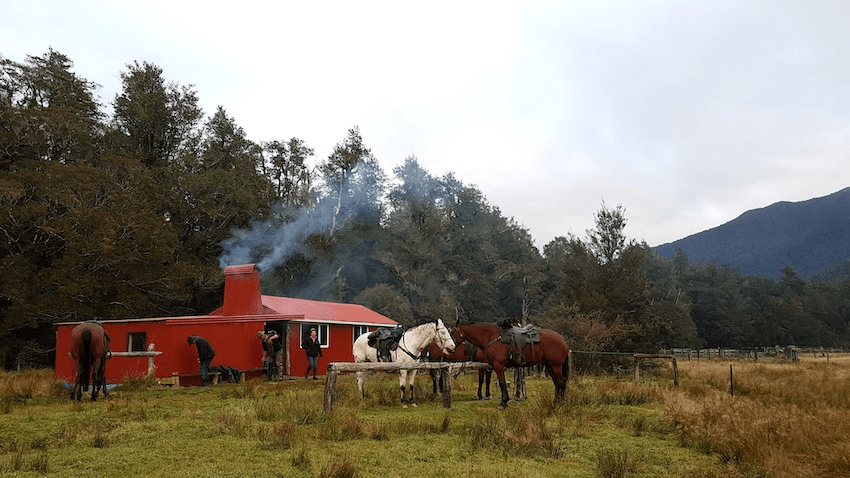
Country Calendar also speaks to New Zealand’s identity as a hard-working nation that gets the job done. While our “number eight wire attitude” might be a cliche, Henry believes the show quietly reflects a sense of our national self, in the ways that it celebrates ingenuity and resilience and portrays the realities of rural life. “The innovation and the resourcefulness, and the passion and positivity are qualities that we hold dear, and they’re character traits that we see often in the people on our show.”
But it wasn’t always that way. When Country Calendar began in 1966, it was a serious rural news bulletin broadcast predominantly from the NZBC studio. Episode one included a piece from reporter Gerard Curran, who – adorned in suit and tie – visited an Alexandra apricot orchard. In 1974, new producer Tony Trotter wanted to make the show “less boring”, and ditched the smoky confines of the studio for stories told on the land by the farmers themselves. Trotter’s first act as producer was to liven up the show’s theme song. “We hustled down to the record library and found a new theme in about five seconds flat,” Trotter told the Country Calendar 40th anniversary in 2005. “We were in a rush, and we looked at each other and said, ‘that’ll do’.”
Fifty-two years later, ‘Hillbilly Child’ by The Alan Moorhouse Band (written and recorded in the UK in 1970) still rings out across the nation every Sunday night at 7pm, as another episode of Country Calendar begins.
Country Calendar grew from strength to strength throughout the 1980s and 1990s, increasing from 12 episodes a year to 20, before hitting the current 40. One story per episode became the norm, and while the show has stayed reassuringly placid in its storytelling, it’s always adapted with the times – recent episodes featured kina divers on Rākiura, smart technology’s impact on organic farming, and the aftermath of Cyclone Gabrielle. Country Calendar also dabbled with presenters through the years – Jim Hickey in the 90s, John Gordon during the late 70s and early 80s – but Henry loves that the modern-day Country Calendar keeps it simple. The people are the drawcard, and the beauty of the land speaks for itself.
Henry began narrating the show in 2016, following the retirement of long-time narrator Frank Torley, and every Sunday night for the past 10 years, his warm and steady tones have been broadcast into homes across the nation. While Henry’s voice must be one of the most familiar in the country, he’s almost never recognised by it. He’s fine with that. To Henry, a good narrator never makes the show about themselves. “Narrating is like a good rhythm guitarist or a really good drummer – if they’re doing their job properly, you don’t hear it in the track.”
That’s exactly what you’d expect the voice behind a show about humble, hard-working people to say, of course. As Country Calendar heads into its seventh decade, Henry is determined that the show will remain relevant by finding fresh ways to tell more diverse stories from heartland New Zealand, while still continuing to deliver an uplifting dose of comfort and positivity each Sunday before the working week begins. And regardless of whether Henry is crossing the Arawata River alongside 300 Hereford cattle or meeting a Bay of Plenty hapu with a booming kiwifruit business, being part of New Zealand’s longest running television show has been nothing but a privilege.
“It’s just joyous to be allowed to call this work – to run around in the great outdoors with these wonderful people and to bring their story to the country. “
Country Calendar screens on TVNZ1 at 7pm and streams on TVNZ+. A special Country Calendar 60th anniversary archive is available on TVNZ+, and archive episodes are also available on NZ On Screen.