The Ungrateful Tenant brings a timeless tale of housing woe to the NZ International Film Festival

The Ungrateful Tenant is playing as part of the New Zealand International Film Festival. (Photo: Supplied)
The black-and-white silent film about the struggles of renting in Auckland takes some bold creative swings but the execution falls short.
The most impressive thing about New Zealand filmmaker Conor Bowden’s feature-length debut The Ungrateful Tenant is that it exists at all. The micro-budget, black-and-white silent film was shot over the course of four and a half years, utilising iPhone footage and using Bowden’s own flats as settings. He cast his parents as themselves.
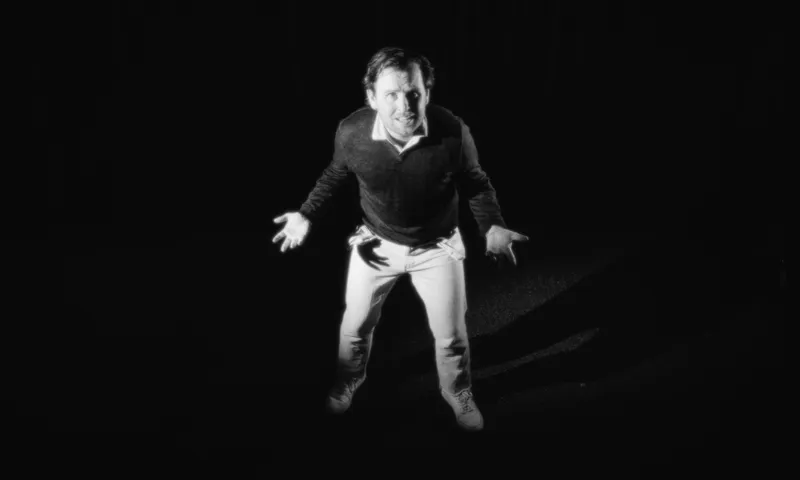
Pitched as a horror comedy, it tells the story of a neurotic, anxious, angry millennial tenant (played by Bowden) who is cursed by a flatmate he wronged and finds himself stuck in a cycle of bad housing situations, financial trouble and evil landlords.
It’s both a love letter to and a damnation of Auckland. The nighttime shots of the Sky Tower and harbour bridge are beautiful, and the use of unrenovated character villas in black-and-white gives it a timeless feel, even though the film exists in a world of smartphones, TikTok, and Facebook flatting group pages.
The Ungrateful Tenant is best viewed as a piece of experimental modern art; a case study of what is possible with a smartphone in the hands of a dedicated creative. It’s carried on the strength of the editing, lighting, and – especially – the music. The most impressive shot is a Kafka-inspired scene of body horror, where an inconsequentially small tenant is taunted by a monstrous property-owning overlord.
At the world premiere, at Auckland’s Hollywood Avondale, the film was accompanied by a live performance from the The Silent Chamber Orchestra, producing a cacophony of crashes, bangs and wails that helped to carry the plot.
Removing colour and sound from a film is a brave artistic limitation. However, there are moments where the film struggles to justify this choice. The scenes of drab, undecorated flats, all with the same flickering lights, became repetitive after a while. And while Bowden the filmmaker has absorbed the lessons of the great directors of silent cinema, Bowden the actor lacks the on-screen dynamism of that era’s performers. Despite citing Buster Keaton as an influence, there were no physical stunts and the “slapstick” comedy was mostly limited to over-acted facial expressions.
The tenant is an asshole who treats his flatmates poorly and takes out his insecurity on others. He’s isolated and desperate for connection but drives everyone around him away with his own selfishness. The film seemed to be setting up a moment of introspection where the character would realise that he, himself, is the source of all his problems. Unfortunately we never see any of this other than a brief apology to a flatmate/boyfriend for moving too fast in their relationship.
Instead, the film ends with what may as well be a dream sequence; a fun bit of wish fulfillment for property-challenged millennials. The evil landlord is jailed for negligence and the protagonist stirs a tenant uprising and a rent strike.
We’re treated to a conspicuously long shot of the lead reading Nick Bano’s book Against Landlords: How to Solve the Housing Crisis, as if Bowden is directly announcing his political views to the audience – a decision that took away from the more interesting character story underpinning it.
That, ultimately, is what lets the film down: it abandons what could be a deeply human story of suffering and redemption, so that the filmmaker can spoonfeed you his political opinions despite never managing to say anything more insightful than “landlords bad”.

Joel MacManus
Joel MacManus is a senior writer for The Spinoff. He previously worked at RNZ and Stuff, and began his career at Critic Te Ārohi. His writing explores the political, economic and cultural systems that underpin modern New Zealand. He won the 2025 Voyager Media Award for Best Columnist, Opinion or Critique.


