Where I went wrong buying my secondhand car

In partnership with

Bargain-hunting is all well and good, but my family’s safety should have played a bigger part in the decision to buy our car. So where can a secondhand buyer turn for unbiased safety advice?
It looked shiny and new. The rims gleamed, the seats barely looked like anyone had sat in them and the stereo had nary a scratch. More importantly, the mileage was low, there was room for our growing teens and pet dog, and the price was in our budget.
The owners of the secondhand car my wife and I were looking to buy were moving to Australia. They wanted it gone quickly and cheaply. We couldn’t believe our luck. We took out the cash, filled out the paperwork, bought it on the spot, and drove it home.
The one thing we didn’t do? Check the car’s safety ratings.
“You’ve got a couple of kids,” points out NZTA lead advisor for vehicle regulation, Todd Wylie. “You’ve done everything you can to look after them, raise them and nurture them. Why would you put them in a car with a low-rated safety rating?”
It’s a good question. To answer it, Wylie suggests the website Rightcar. It’s a free online search tool offering ratings for every car being driven on New Zealand roads. Users can quickly see how safe an intended car purchase might be. “It’s accurate data based on science and testing, not what your next-door neighbour thinks,” he says.
It works like this: visit rightcar.govt.nz, plug in the make and model or numberplate of your intended purchase and you’ll be given a series of star ratings out of five for that vehicle. Those ratings offer a range of factors, including overall safety, driver safety, other road user safety and crash avoidance features.
Rightcar also offers star ratings out of six for a car’s environmental features, including energy economy, carbon emissions and air pollution. Plus, it offers users a comparison tool, giving those at the start of their car buying journey the chance to size up the safety ratings for a variety of vehicles.
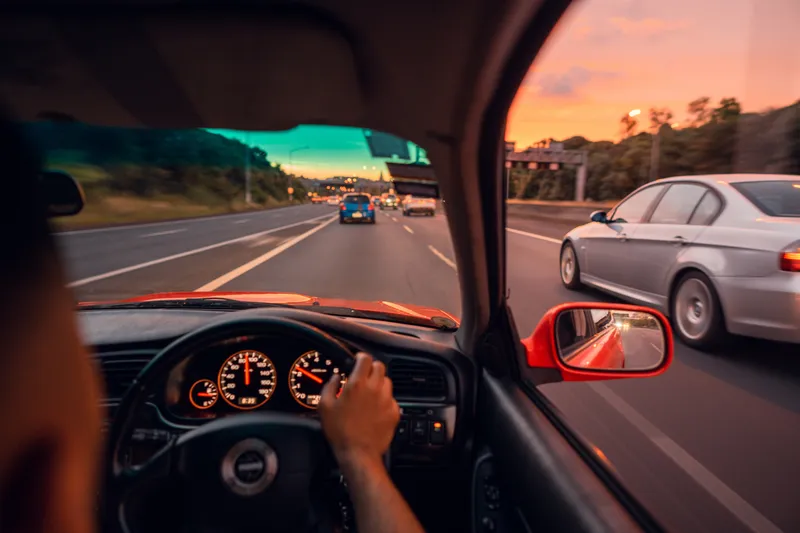
Rightcar was launched to increase awareness about car safety, says Wylie. He believes it’s as important as engine or tyre wear and tear when buying a car. That’s because the outcome of a serious crash can be very different depending on the kind of car you’re travelling in. “The percentage chance of death or serious injury in a low-rated vehicle is around twice that of a high-rated vehicle,” says Wylie.
The outcome can be different for other cars involved in an accident too. Rightcar offers a star rating for the impact a car can have on other road users. This, the website says, is the “best measure of how likely the vehicle is to protect people outside it in a crash”.
Rightcar’s ratings aren’t just based on lab tests, but on real-world crash data taken from accidents across Australia and New Zealand. Its vehicle ratings are updated at the start of December each year, and include factors that can’t be seen, like a car’s structure, design and integrity, and the materials that have been used to make the car.
When I plugged in the number plate for the car we owned before our recent secondhand purchase, I was truly shaken to discover the station wagon my wife and I had used to ferry our kids about in as babies, then toddlers, and into their primary school years, received a safety rating of just one star.
That means it could have become a potential death trap in a serious crash. Finding out you’ve been driving around in a potentially lethal car can come as a shock, agrees Wylie. That’s why using Rightcar to research your next car purchase is crucial. “It’s about awareness,” he says.
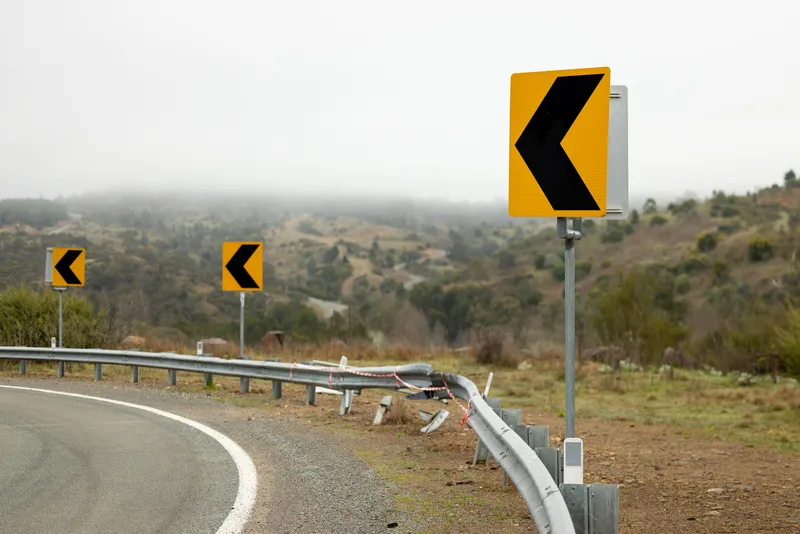
Many may think they can’t afford a car with a high safety rating, but Wylie says that’s not necessarily the case. “There's a lot of misinformation out there and safety doesn’t necessarily cost more,” says Wylie. “Generally, if you can afford a two-star car, you can afford a four-star car.”
Just because a car is newer or more expensive, that doesn’t necessarily mean it’s going to fare better in a serious crash either. “It’s not related to age,” says Wylie. “There are brand new cars out there that are low rated, and there are slightly older cars that are high rated.”
After talking to Wylie, I jumped on Rightcar again and plugged in the number plate for the car we recently purchased. It’s a relief to find it scores a safety rating of five stars. “That means you are in the safest 20% of vehicles on the road right now compared to all other vehicles,” says Wylie. “That’s important because … you don’t get to choose who you crash into.”
Getting five stars this time was purely chance. Safety wasn’t something I had thought about. Next time I’m buying a car it will be top of the list, and Rightcar will be a research tool I’ll be using at the start of the journey, not at the end.
This piece was made in partnership with NZ Transport Agency. Before you buy a vehicle, check the safety rating at rightcar.govt.nz.

Chris Schulz
Chris Schulz is a contributing writer at The Spinoff. He's an award-winning journalist from Tāmaki Makaurau who has spent 25 years working for local publications. His specialties include live events, pop culture, infrastructure and Aotearoa music.


