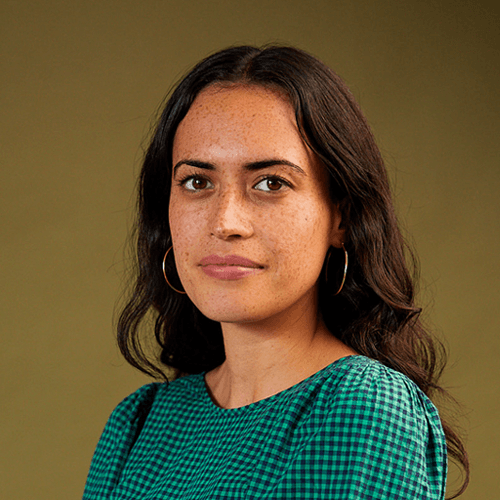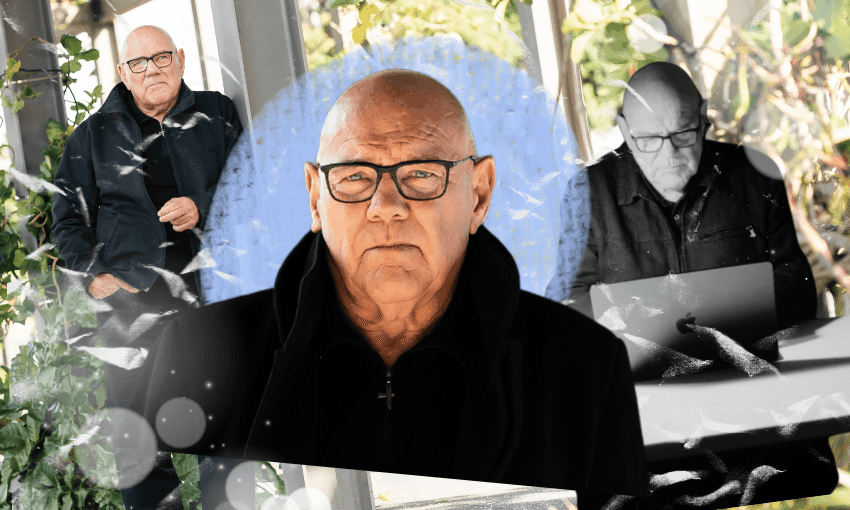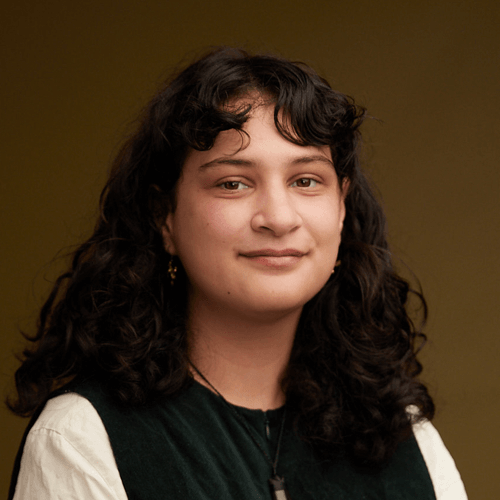
In New Zealand schools, the n-word is being used casually, often by people who are not Black, but who are themselves marginalised. Each time Gamaliel Ramos Oliver hears the word, it lands like a slap.
At my kids’ school, the n-word is said casually. Not whispered, not questioned, just dropped into conversation as if it were slang without history or consequence.
Sometimes it comes home in their mouths, reported rather than repeated, because they know better. At home we have taken the time to explain what the word carries. And still, listening to my children makes me uneasy.
I even get it from time to time. Not shouted, not spat, said with confidence, like the word is a shortcut to closeness.
Even as an Afro-Caribbean person, I never felt at ease using it, even among friends who you could say “had the right” to say it. I didn’t grow up with it. I never felt close to the word. So when it shows up here, thrown around freely by people who have no connection to its origins, it lands like a slap, because I know exactly what that word was built to do.
I’ve lived in places where the word circulates differently, where its use, still deeply contested, exists inside a shared historical trauma that everyone understands, whether they agree with its use or not. New Zealand is not that space. Here, the word arrives stripped of its original history dressed up as pop culture. And that absence matters.
I carry that history whether people here recognise it or not. I have family members who were freed slaves from Guadeloupe who later ended up in Puerto Rico. These are not distant ancient memories. They are my grandfather Gregorio’s grandparents. Not far away, close enough, “n**gers” to an owner at some point.

So when my children come home and tell me they heard the n-word at school, it doesn’t feel okay.
What makes it harder is that the word is often used by people who are not Black, but who are themselves marginalised, who understand discrimination in their own lives. There is a particular kind of entitlement that comes from proximity to oppression without understanding its specific history.
The n-word was not born as slang. It was engineered as a weapon. A linguistic tool used to strip people of humanity, to justify enslavement, violence, and exclusion. Reclamation of that word, where it happens, is not casual. It is contested even within Black communities. It is shaped by place and personal history. It is not a global free-for-all. Yet, pop culture has done an extraordinary job of exporting Black American expression while quietly deleting the conditions that produced it.
In New Zealand, that distortion is amplified by distance.What’s particularly jarring is hearing it in a country that prides itself on its own conversations about colonisation, land, and language. A country that understands, at least in principle, that words carry power, that history lives in language, and that you don’t get to decide what hurts someone else simply because it doesn’t hurt you.
But New Zealand cannot pretend this word is foreign. Māori have historically been, and continue to be, subjected to the n-word as racial abuse. Not as some imported lyrics, as a tool of dehumanisation.
In recent years the slur has been directed at Māori and Pasifika students, with some children saying they’ve been called the n-word by teachers, and it has been used against public figures as well, alongside other racist and degrading labels. That should stop us in our tracks, because if adults in positions of authority can still reach for that language, then the idea that it is “just a word” collapses instantly.
This is not only about American history arriving in New Zealand through entertainment. It is about a word that has already been used here as a weapon. So when it gets tossed around casually, it is recycling the violence.
Yes, there are debates about its use within Māori and Pacific communities, especially in hip-hop culture. But that debate itself proves the point. The word is not neutral here. It never has been. Plenty of slurs have been designed to reduce them to something less than human. The n-word belongs in that same category when it is used against them. A colonial weapon.
I would never tell an oppressed minority to “get over” the history attached to certain words or symbols. We understand, instinctively, that context matters. That trauma doesn’t dissolve just because time has passed.
So why the idea that some people in New Zealand get a pass?
Perhaps because it’s easier to see Blackness as entertainment than as lived experience. But here’s the uncomfortable truth. If you are not Black, that word is not yours. Not as a joke. Not as slang. Not as a sign of belonging.
Using it doesn’t make you culturally aware. It makes you careless.
And when children pick it up, the harm multiplies. They repeat what they hear without fully understanding it, and those who do understand are forced to carry the weight of explanation and correction far too early.
This isn’t about policing language. It’s about responsibility. Recognising that some words arrive soaked in history. And no matter how casually it’s said here, it never lands casually where it counts.