I want to lose weight, but I don’t want anyone to notice

Composite image: The Spinoff
Staying 'fat' is strangely like strapping on armour and shielding myself from the onslaught of attention my changing dress size invites.
“Have you lost weight?”
My body tensed as the words left her mouth.
I couldn’t tell you if this woman was a colleague, an acquaintance, a friend, or even what she looked like, but I can tell you the effect this conversation had on me.
In a tone of surprise and somewhat awe, she asked the question, as if my reduced body fat were both a physical feat and an unexpected turn of events she hadn’t seen coming.
“Yes, I have a little,” I stammered in reply, wondering how I could shrink away from this conversation that had been sprung upon me.
“How much have you lost?” She wasn’t going to relent on peppering me with nosy questions.
“Um, nearly 10 kilos, I think,” I said.
"Well done!” Her praise was almost patronising in tone.
Then she said three words that plunged into me like a knife.
“You look amazing.”
They were congratulatory, some would say even kind words, yet for me the compliment felt loaded. It cemented an assumption I always had about myself: that I was two people – the fat version of me who was a failure and the skinny version of me who was successful for having won the battle of the bulge.
I’m no stranger to unsolicited observations on my weight. I’m what you call a chunky girl. Suffering from PMOS (formerly PCOS - polycystic ovary syndrome) means my body weight has yo-yoed my entire life.
I’ve spent more time on a diet than off one. I’m a walking encyclopedia of 90s and 00s diet and exercise trends – the most notorious was my running phase that ended with me breaking my foot.
Despite my best efforts, keeping my weight at a steady number has been a struggle and any minor slip-ups have caused rapid weight gain. When I could shed a few kilos, though, the applause flooded in.
“You look great.”
“You’re looking really well.”
“How did you do it?”
As a teenager, I lapped up these compliments. They reinforced the narrative I’d come to believe that by losing weight, I was acceptable, maybe even attractive.
Every millennial knows the term "heroin diet". Seeing eating disorders splashed across magazines and newspapers was part of our media diet growing up. The mainstream media’s obsession with being skinny informed a generation’s thinking of what was normal and healthy.
Fat-shaming was rampant. Protruding bellies, love handles, thunder thighs, and double chins flashed across TV as signposts of lost control and a life falling apart. Thinness was equated to virtue. I starved and sweated myself towards that virtue.
As an overweight child, teenager and young adult, my body was constantly in the spotlight. My weight neurosis was built on the stares and comments of others.
My earliest memory of someone critiquing my weight was at a family gathering when my great-aunt, in a packed room of relatives, bellowed across the room that I’d “put the beef on”. From then on, the remarks, the observations from extended family, shop assistants, doctors, friends and colleagues would come barreling in.
When I gained weight, I was mortified by how people would perceive me. Would they tell me to stop gorging myself on chips, fizzy drinks and takeaways? Would they subtly hint at ways to lose weight? Those miserable days of calorie counting were driven by the need to deflect attention from my burgeoning waist circumference and a thirst to be praised on how slim I’d become.
But then something shifted in the 2010s. The body positivity movement emerged. Loving your curves, dressing in clothes made to fit you and eating normally were in vogue – literally, they were in Vogue. Fashion runways strutted out names like Ashley Graham, making seeing plus-size models on the cover of fashion magazines the norm.
It was suddenly insensitive, even insulting, to question someone’s weight, to cheer them on for their skeletal frame. We were all learning to love our squishy stomachs and stocky thighs. We were complimenting larger people on their style rather than their BMI.
Then in 2020, as Covid began to spread, a new drug hit the market. A miracle scientific solution for fat people had arrived in the form of GLP-1s. Now, six years after their launch, GLP-1s have become part of our vernacular. Although they’ve come with some controversy and there are still plenty of unknowns regarding their long-term side effects, they have transformed many people’s lives.
The drugs in their many forms, including Wegovy and Ozempic, can induce rapid weight loss and reduce health risks tied to obesity – diabetes, cancer, and cardiovascular disease.
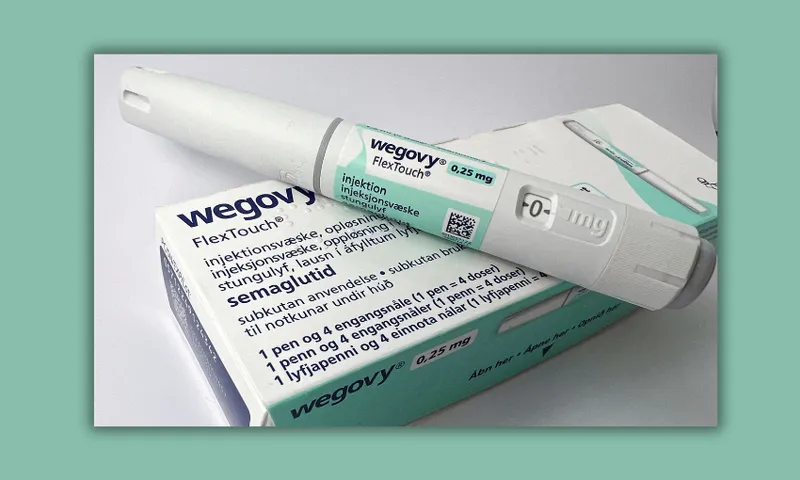
Everything changed once they arrived. It seemed like everyone was skinny overnight. Celebrities who once championed larger bodies couldn’t jump on the craze fast enough. "Ozempic face" was how most of us came to know about GLP-1s. Celebrities' drooping jowls and aged faces were appearing all over Instagram and TikTok.
Before-and-after photos of women’s bodies and their "tips and tricks" for losing weight were once again tabloid fodder.
When GLP-1s first came on the market, I was cautiously optimistic. Finally, there appeared to be a treatment for people with severe obesity that didn’t involve surgical intervention. I felt a little justified that science had proven the food noise that many of us suffer from wasn’t just in our heads, and that through this new drug it could be quietened.
But as I scrolled past the headlines and social media videos of women who once boasted about body positivity now supporting drastically slimmer frames with the help of GLP-1s, I felt like I’d been wooshed back in a time machine to my teenage years.
The eating disorders, the comparisons, the “have you tried this new weight loss hack” discourse all came rushing back. Seeing the internet overcome with frenzy over how skinny Ariana Grande is and whether she achieved it with GLP-1s, it felt like this new medication treatment had, ironically, thrust us all back to the dark ages of the extreme diet culture.
Now in my 30s, my priority for my weight has been health, not aesthetics. I’ve spent years unlearning the toxic messaging shoved into my brain from society and culture.
Don’t get me wrong, I still want to lose weight and become healthier. Losing a few kilos will improve my health by reducing my risk of heart disease and cancer, and (hopefully) it will help prolong my life.
Yet, the hyperfixation on how “easy” and fast it is to lose weight now has placed a stumbling block in front of me which is proving complex to navigate around. Just the thought of people speculating on whether I lost weight "with the jabs", cooing praise at me for losing weight or cocking an eyebrow when the pounds pile on, gives me stage fright.
Staying "fat" is strangely like strapping on armour and shielding myself from the onslaught of attention my changing dress size invites. GLP1-s are showing us that being overweight is a condition and it needs intervention; it’s not about willpower. It could, in the future, be the answer to obesity and the suffering it brings with it.
But we can’t ignore that its introduction to the world has re-awakened our obsession with having the perfect body.
I still have hope we can retain some essence of body positivity. For me, I’ll continue to battle my weight, but I’ll do it for myself and my health, even if everyone notices.

Natalia Sutherland
Natalia Sutherland is a London-based Kiwi freelance writer, journalist and blogger writing on culture, politics and everyday curiosities. In her previous life she worked for TVNZ and Newshub as a journalist and producer.


