Black-market peptide use in New Zealand, by the numbers

Some synthetic peptides, like Wegovy, are approved in New Zealand as unfunded prescription medicine and available at the pharmacy. But many others, like research-only peptide retatrutide, are illegal and obtained on the black market. (Composite image: Tina Tiller/The Spinoff)
The self-injected drugs promise everything from weight loss and muscle growth to turbo-charged tanning. Are more New Zealanders using synthetic peptides? The signs point to yes.
Bolstered by online channels and the lure of physical improvement, peptide use is growing worldwide – including right here in Aotearoa. Needle demand and border seizures are up, and it appears an increasing number of New Zealanders are injecting synthetic peptides. Medsafe released a stern warning this month about the risks posed by unapproved peptides and using unofficial channels to obtain them.
Peptides mimic naturally occurring amino acids and many claim to assist with weight loss, muscle building and other appearance-related concerns. Some, like insulin and the GLP-1 Wegovy, are approved in New Zealand and available from pharmacies with a prescription. But many are unapproved, intended for “research purposes”, and accessed via black-market channels – usually online. There, you’ll also find wellness figures singing the praises of their “peptide stack” and celebrities who look suspiciously ripped or suddenly thin. If the promise of a quick fix sounds too good to be true, it just might be; authorities are playing catch-up and experts are worried. Let’s take a look at the numbers.
2,300
Free peptide-injecting kits have now been provided to pharmacies by Te Whatu Ora’s Health New Zealand as part of its needle exchange programme, to promote safe use. Prior to the kits’ distribution, pharmacies reported a shortage of diabetic syringes, which are used for self-injecting peptides.
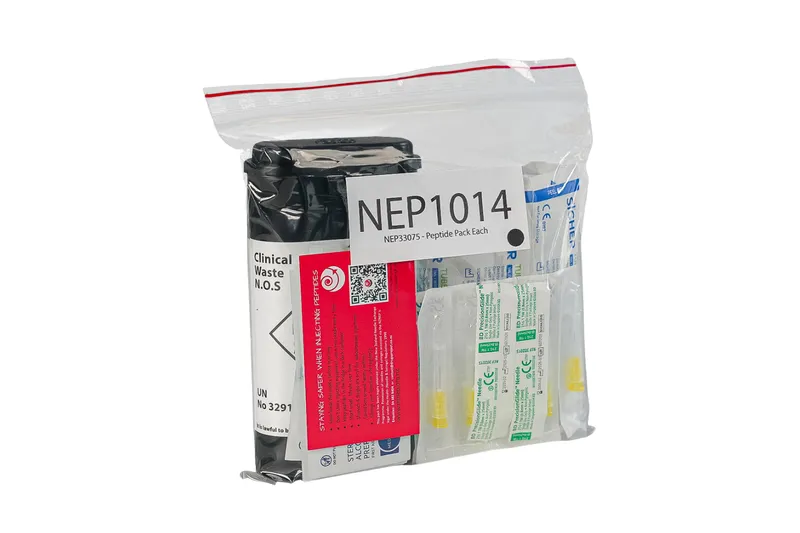
x5
The increase in demand for insulin needles through the New Zealand Needle Exchange Programme between 2025 and 2026, according to The Post.
40%
The share of clients of the needle exchange organisation that covers most of the central and upper North Island who are seeking help with peptides. The uptake “reflects the significant demand for equipment”, according to Te Whatu Ora’s Deborah Woodley, who adds that providing the kits isn’t an “endorsement of unapproved peptide use”.
12
The number of unapproved peptides and selective androgen receptor modulators (SARMs – which mimic effects of anabolic steroids) included in a May warning from Medsafe, New Zealand’s medical regulatory body. Among them: BPC‑157 and TB‑500 (combined for the “Wolverine shot” favoured by fitness communities) and melanotan II (called the “Barbie drug” because it stimulates your skin to produce more melanin to facilitate tanning). Medsafe stressed this was not a complete list and many other products are circulating in New Zealand.
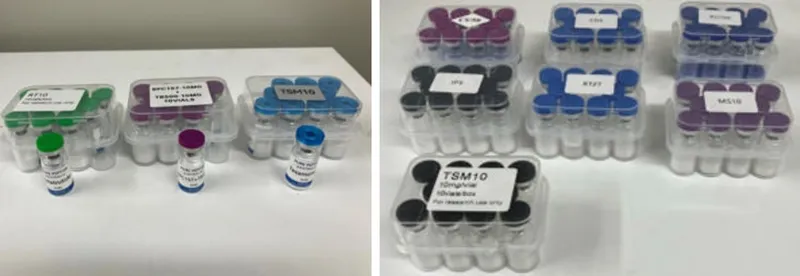
18
How old you must be to access one New Zealand-focused website selling illegal peptides, where a disclaimer reads “products on this website are intended for laboratory research purposes only. Not for human or animal consumption.” (The online store is categorised by common human concerns like anti-ageing, weight loss, sleep and reproductive health.) According to its website, the enterprise is owned and operated by Hong Kong-registered company Global Bio Research Limited, which claims to have warehouses in New Zealand. Some websites ringfence their platforms; providing education and research resources to members only, or inviting users to join its private list for “early access to lab-tested batches”.
Caveating a product as “research only” has no legal effect, nor does it permit sale, supply or human use, according to Medsafe. A spokesperson said the agency was continuing to contact New Zealand-based websites to warn them that selling peptides is illegal.
25+
The number of local peptide websites that have been shut down so far, The Post reported.
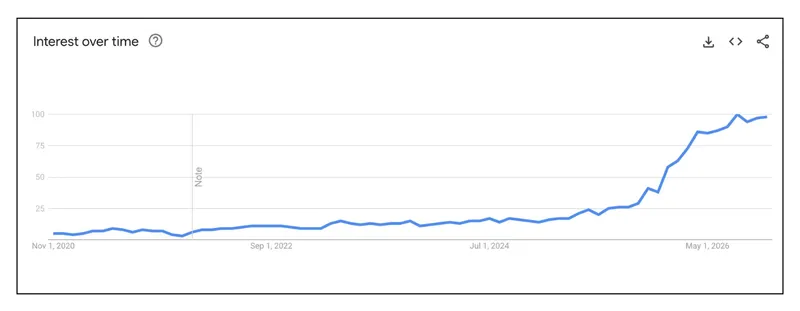
August 2026
The month local Google searches for peptides peaked, having climbed rapidly since mid-2025, when the first weight-loss peptides were approved in New Zealand.
$370-$475
The recommended retail price of Wegovy, a GLP-1 approved for weight loss in New Zealand, depending on dosage. It’s too high for some New Zealanders, who are turning to the black market. One user told RNZ they instead spent $200 on retatrutide, a weight-loss peptide that’s in clinical trial phase and not approved for use in New Zealand (or the US). Any retatrutide obtained in New Zealand is done so illegally and Medsafe has not yet approved any clinical trials.
23
The age of a Palmerston North man charged with possessing retatrutide and the prescription-only anabolic steroid testosterone enanthate. General penalties under the Medicines Act 1981 range from a fine of up to $500 or three months in prison. It’s also illegal to promote unapproved drugs in New Zealand, as some influencers are doing, and experts have expressed alarm over social media promotion of synthetic peptides.
7
Reports of adverse reactions linked to peptides that Medsafe has received since May. “Of these, about five cases may have been linked to taking a product the patients believed to be retatrutide,” a spokesperson told The Spinoff. (Most were women.) The adverse effects of unapproved peptides include nausea, vomiting, allergic reactions, flu-like illness, blurred vision, musculoskeletal injuries, interference with medication, and liver and kidney damage.
The biggest risk is the unknown and experts say you can’t trust what’s inside. Because unapproved peptides sourced online may be manufactured outside regulated pharmaceutical systems, they can lack safety checks and quality controls, and there's no way to know whether they’re manufactured in sterile conditions. Unapproved peptides may contain harmful or undisclosed ingredients, like heavy metals and fillers, and may be contaminated with foreign substances, including germs or mould. Vials can be unmarked or mislabelled, and doses may differ from what’s promised. Of black-market retatrutide samples tested in Australia, 30% had higher concentrations than labelled.
It’s not just what’s in the vials that has experts worried, it’s how people are using them. Because peptides are administered via injection, which requires a sterile environment and the right tools, there’s a possibility of infection and sepsis.
Many peptides require reconstitution and users have to draw the correct amount from the vial, which means there’s a “significant chance of human error”, says Medsafe. This has been linked to overdose reports and “serious adverse effects” overseas. Peptide use across the ditch is widespread; New South Wales emergency departments recorded 1,180 peptide-related presentations during a 15-month period and the state went from five cases in July 2025 to 217 in September 2026.
840
Peptide parcels detained by the New Zealand Customs Service this year, up to September – almost triple the number in 2025, when 370 were intercepted. Skyrocketing figures may be indicative of increasing use, but the exact scale is unclear due to the illicit nature of the peptide market. “Our officers work closely with Medsafe to identify high-risk mail items labelled, or suspected, to contain peptides,” a customs spokesperson said. “When goods that are located require a prescription, or are classified as a medication, they will be referred to Medsafe.” Buying unapproved peptide products (like retatrutide) is illegal, as is importing and possessing prescription medicine (like Wegovy) without a prescription. For caught parcels that are checked and found to be lacking prescription or appropriate labelling, the contents are destroyed.
67
Peptide samples presented to The New Zealand Drug Foundation for testing this year. “People have brought a wide range of substances to our drug-checking clinic that they identified as presumably being peptides,” said executive director Sarah Helm. “They were for things like weight loss, muscle repair, and for cosmetic and beauty purposes.” The number coming through has risen sharply. “We had one sample in 2023, six in 2024, 11 in 2025, and 67 so far this year,” Helm said. “Over that time we also got almost 100 queries about peptides from the public, nearly all in the past 18 months.” The foundation is worried people are using peptides without knowing how to take them safely, what the long-term health impacts might be or even what’s in them. “In a handful of samples we’ve found fillers such as flour, which could cause problems if injected.”
Comprehensive testing is constrained. The Drug Foundation's testing services are unable to identify whether a peptide is present, what it is and at what dosage. Nor can they test for heavy metals, bacteria, endotoxins or mould. To help protect people and enable better public health surveillance, Helm says there needs to be significant investment in research and development to establish robust testing for approved labs to use.
Visit New Zealand’s Needle Exchange Programme to get confidential advice on injecting substances. Make sure you never share needles or syringes and always safely dispose of used injecting equipment. Find drug-checking services near you at The Level. For more information on the dangers of unapproved peptides and how to reduce harm, visit Healthify.
- Revealed: Six months of roadside drug testing in New Zealand, by the numbers
- New Zealand’s hospital headaches, by the numbers
- Aotearoa’s measles outbreak, by the numbers
- By the numbers: Will a boost in maternity funding count for Māngere’s mums?
- By the numbers: the government’s tougher benefit rules for young people

Emma Gleason
Emma Gleason is a staff writer at The Spinoff and an award-winning fashion journalist. But it’s not just clothes that interest her, you’ll find her exploring tasty cheese, influenza outbreaks and more important things right here. She has experience with some of the country’s leading media outlets as well as the toaster in our kitchen.
Sign up to The Bulletin, delivered straight to your inbox.


