


City slickers can antagonise whānau when they head home for the break – often without any idea they’re being a dick. Here’s how to ensure you get back from the holidays safe in the knowledge you’re a damn good townie.
Summer in the regions is a beautiful thing: whānau everywhere, endless kai on the table, babies roaming freely, cuzzies arguing about who ties the best knots, and someone always snoring on the couch at 3pm. But for every wholesome memory, there’s also that relative who rolls up unprepared, acts like they’re still in town, and single-handedly causes a small logistical crisis at the local shop.
Don’t be that guy.
Follow this guide. Keep your dignity. Keep the aroha of your whānau. And keep the holiday vibes from turning into a full court hearing.
Fill your tank or charge your electric car before you leave the city
And before you leave the last big town closest to your final destination, too. Nothing says “I’ve been away too long” like arriving with the fuel light on. Small-town petrol stations close early, or randomly, or whenever Aunty has to pick up her mokos. Many rural areas won’t even have a charging station. If you want to be extra prepared, fill up a jerry can with some gas and leave it in the back – if you don’t end up needing it, there will almost always be a fellow townie that will.
Carry some cash – real, physical, old-school dollar bills
Koha at the hui. Koha for the gas you forgot because you didn’t read the first tip. Koha for your uncle’s fishing tackle you lost. Koha for the local who towed you out. Roadside hāngī or smoked fish. Aunties selling their chutneys at the local market. The tinny you weren’t going to buy. Cash is still a thing, especially in small towns where the internet can be unreliable. Carry some with you at all times and you won’t need to worry about climbing to the top of the maunga to find some signal for a bank transfer.

Don’t turn up with big-city energy and no supplies
If you smoke or drink, bring your own. Don’t roll up in your mean truck and then try to bum a ciggie or beer. Showing up hungry is fine. Showing up hungry with nothing to contribute is how you get talked about for the next year. If you eat, bring some food, or at least something to trade. You’ll be welcomed back with open arms each and every time.
Ice is currency – secure it early
By the time Boxing Day rolls around, every supermarket, gas station, and dairy will be out of ice, or on their last bags. If you see ice, treat it like gold: buy it, hide it, protect it from drunk relatives. One bag for the chilly bin, one secretly stashed in the back of the freezer. Trust no one.
If you’re planning to fish, dive, or hunt, come correct
This isn’t a Warriors training camp – no one has extra gear to loan you, time to babysit you, or untangle the bird’s nest you call a cast. Bring your own equipment. Respect the locals. I get that it’s been ages since you had a fat kina or creamed pāua that didn’t cost $20, but your uncle’s secret possie isn’t your own personal buffet. Only take what you need, and there’ll always be some whenever you go back. If there’s a rāhui, respect it. Share your catch with the whānau. If you’re going for a dive, know your limits and always respect Tangaroa.
Drive like you’ve met a rural road before
City drivers: this is your annual reminder that open roads, gravel, one-lane bridges, and soft sand do not care about your confidence. Slow down. Don’t tailgate Nana in her Corolla. Do NOT fang it down the beach like you’re auditioning for the Fast & Furious: Te Tai Tokerau Drift. Locals know the roads, you don’t. Take it easy, don’t drink and drive, and you’ll make it home safe.
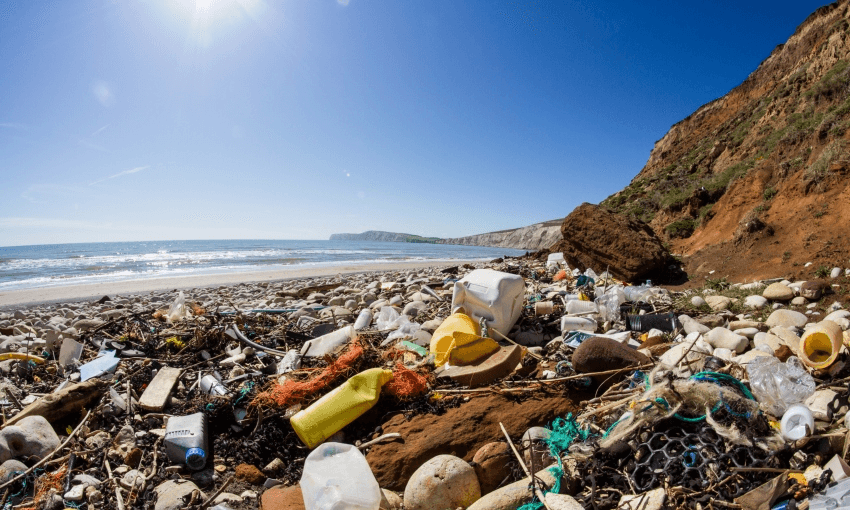
Take your rubbish with you
Your nan didn’t spend her life keeping the whenua pristine just so you could leave your empty V can blowing down the dunes like a tumbleweed. Take your rubbish with you, and don’t leave it at Uncle’s house to deal with. Drop it at the tip or recycling centre and pay for it yourself.
Swim between the flags – or if there are no flags, don’t be a hero
Regional beaches are stunning, but ruthless. If the surf looks too big, stick to the creek, the rock pools, or the shallows where the tamariki are splashing. Tangaroa is indiscriminate and has no mercy. Better to be safe than on the six o’clock news.
Respect the house, respect the whenua, respect the vibe
You’re home, but you’re also a guest. Help with dishes. Don’t hog the shower (especially if it’s on tank water). Don’t leave your stuff lying around. Say thank you. Check on the kaumātua. Give the dog a bone. Summer is about being together – not creating extra admin for your whānau.
Bring patience. Lots of it.
Small towns run on holiday hours, delayed relatives, random reunions and weather that changes every 20 minutes. Take a breath. Relax. You’re on holiday.
And finally: have fun – but don’t forget where you are
The regions aren’t a backdrop for your Instagram story. They’re home – to you, to your whānau, to people who live there all year.
Treat the place with aroha and respect, and you’ll be welcomed back every summer.