The whānau taking out loans and sleeping in cars to learn te reo Māori

Learning te reo Māori can be innaccesible for many whānau Māori. (Design: Emily Wong)
The desire to reclaim te reo is strong. But for some Māori, intensive language learning comes with a financial cost they simply can’t afford.
Should whānau have to take out loans or sleep in cars to learn te reo? This is exactly what some have done in order to attend full-immersion reo Māori courses. “Our people learn the reo and tikanga when they’re ready, and whether they’ve got money or not will not not determine when that is,” the head of heke poutuarongo reo at Te Wānanga o Raukawa Angie Stretch says.
“They take loans out, sleep in their car, travel an hour plus each way in a petrol crisis, they pay really high rents that we have here in Ōtaki.”
Māori are already doing it tough – average weekly rent is more than half the average weekly household income of $1,076 for Māori, and mortgage repayments are even higher. Add to that rising grocery prices and petrol prices still at record highs.
In a recent interview, Te Mātāwai board member Penetaui Kleskovic said parents in Northland are more worried about where their next meal is coming from, and putting petrol in the car, than raising tamariki with te reo Māori.
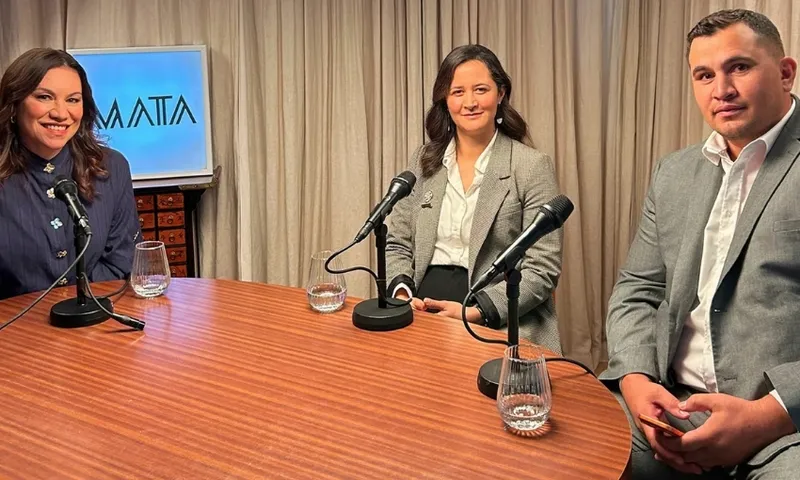
It’s not the first time the issue of who can afford to learn te reo Māori has been raised. While learning through Te Panekiritanga o te reo Māori (a te reo programme for fluent speakers to advance their skills) in 2008, broadcaster Stacey Morrison says it was raised that the students were all middle-class.
“It just felt like a punch in the puku”
For the last 20 years, Morrison and her husband Scotty have worked tirelessly to support whānau to make te reo the language at home. When working with whānau, especially in kura whakarauora (classes specifically focused on developing strategies for building language fluency), Morrison says the starting point is often resource: “We collectively look at what kind of load people are carrying – are you the main caregiver in the whānau, looking after somebody else, working, or are you in kapa haka? All those things take up time in your life.”
There are several ways people can learn te reo in a classroom-type setting. Kura pō (night classes) through Te Wananga o Aotearoa or similar institutions are a common pathway, and many of these courses are free. Kura reo are week-long immersion classes often run by iwi. The cost of these depends on the iwi, but usually sit around $200-300, plus travel costs.
There are also rumaki reo – popularised by high-profile people such as author Witi Ihimaera. These are immersive, te reo Māori only, year-long courses like Takiura in Auckland, Heke Reo run by Te Wānanga o Raukawa in Ōtaki and Te Tohu Paetahi run by Waikato University. The course fees for the whole year programme at Te Wānanga o Raukawa are $3,500 and heavily subsidised by the wānanga.
“Ko te kāwana kē me utu i te nama mo ngā Māori katoa e pīrangi ana te ako i te reo me ōnā tikanga i te mea, nā rātou tonu i patu te reo kia mate – the government should pay for Māori who want to learn te reo and tikanga because it was them who suppressed it,” Stretch says.
Struggling with pūtea may not stop whānau from coming to Te Wānanga o Raukawa, but Stretch says there are those who come on sabbatical, buy homes and sell them on after a year, pushing up rental prices in a town already struggling with gentrification.
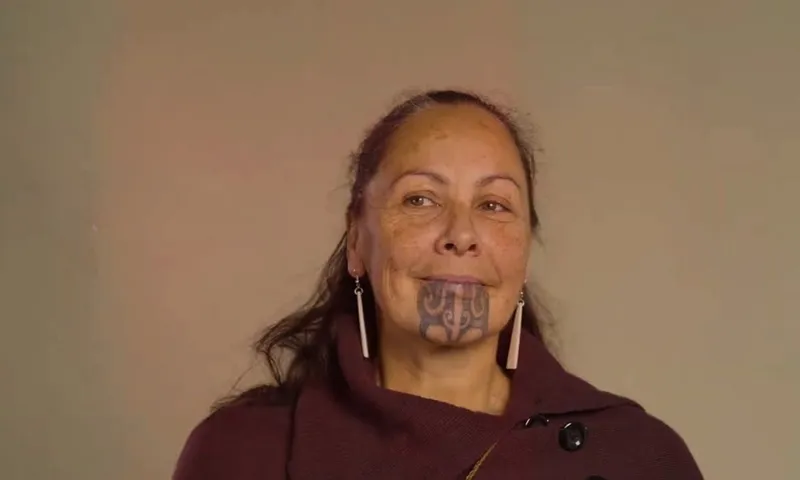
While it might be easier for those with higher incomes to take a year off, the data around where te reo fluency lies tells a different story. Areas with greater socio-economic challenges tend to have the greatest number of fluent te reo speakers.
Research from BERL suggests high-density Māori populations can be leveraged to grow language use, drawing on statistics from Gisborne where Māori make up 54% of the population, with 21% fluent in te reo. Meanwhile only 5.4% of Auckland’s population are fluent in te reo, due in large part to a lower Māori population density.
Leading researcher in te reo Māori revitalisation Dr Awanui Te Huia agrees with this finding: “Where Māori have the highest population of people, we also have higher rates of speakers.” However, she says there’s no doubt cost-of-living has an impact, making te reo “a luxury item” many don’t have access to. “On the other hand, whānau are dynamic, and the strength of our relationships can be a key driver for why individuals continue to attend kaupapa reo Māori irrespective of the economic strain that they may be experiencing.”
For Morrison, the expectation that full-immersion courses are the only way to learn the language is a worry as “it is financially very hard and something that puts people off”. She says people should focus on free resources, courses, or learning from whānau members who have the reo, and weaving the reo into places where Māori get together, like kapa haka or diving. “All of those things are building a world where te reo Māori exists… and then when we are ready, we can engage in more concentrated study.”
According to Morrison, it essentially comes down to energy – how much you have and where you need to put it.
“It does take a lot of energy to learn the reo, but you will get a lot of energy back.”

Meriana Johnsen
Meriana Johnsen (Kāi Tahu, Kāti Mamoe, Rangitāne o Wairau) is a writer, journalist and communications professional. She has written, produced and presented news, current affairs and long-form features for RNZ, The Spinoff, and The Hui. She is passionate about sharing iwi/hapū stories of old, and writing the stories of today mō āpōpō.


