Where political parties stand on Te Tiriti o Waitangi


Labour’s minimal policy agenda has seen it cede attention and focus to minor parties. (Images: Getty, Facebook and supplied. Additional design: The Spinoff)
From entrenching te tiriti to curbing its role in law and government, different parties are offering voters starkly different visions for its future.
New Zealand has no single written constitution. Instead, the rules for how the country is governed come from a mix of important laws, foundation documents, court judgments and unwritten traditions called conventions. Beyond acts of parliament, like the Constitution Act 1986 or the New Zealand Bill of Rights Act 1990, there is one document that is often referred to as a foundation of our democracy – Te Tiriti o Waitangi.
While most political parties agree te tiriti is a vital part of the constitutional foundations of our nation, there are differing views about how the document impacts the way the country is governed. As we approach the election, here’s what we know about each party’s positions on te tiriti.
National
The National Party website says that it recognises te tiriti as the founding document of New Zealand. Beyond that, it’s difficult to find any policy relating specifically to te tiriti. Party leader Chris Luxon has publicly said he believes the Crown is sovereign and National has declared its support for equal treatment of all citizens.
Since coming to power three years ago, the party has overseen several legislative changes relating to Te Tiriti o Waitangi and its principles. It’s important to note most of these changes were a part of coalition deals partners Act and New Zealand First brokered with National. These changes include amending 19 pieces of legislation “to ensure references to the principles of the Treaty of Waitangi are consistent”, disestablishing Te Aka Whai Ora, removing section 7AA (the primary legal mechanism for recognising the Crown’s duties under te tiriti in the child protection system) from the Oranga Tamariki Act and removing ethnicity and race as explicit prioritisation factors in health care. It also scrapped diversity quotas for government procurement, instituted local referendums on the introduction of Māori wards, reviewed the Waitangi Tribunal, removed compulsory treaty education from schools, made it harder for Māori to prove customary title of the takutai moana and oversaw the introduction of the controversial Treaty Principles Bill, which National refused to support past the first reading.
Act
The Act Party accepts the treaty as being historically significant but rejects the interpretation that it creates an ongoing Crown-Māori partnership permitting different rights. Instead, the party believes the rangatira that signed the treaty gave a complete cession of sovereignty the British Crown.
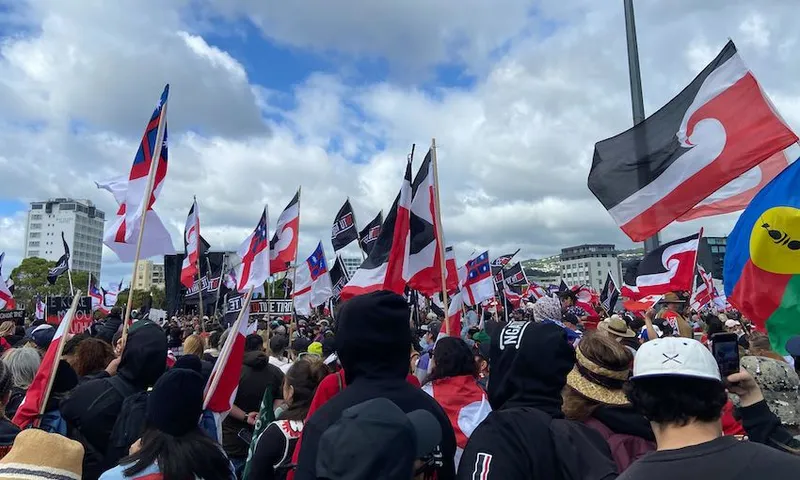
Its policy is government support should be based on needs, not race. The party’s Treaty Principles Bill proposed sovereignty of parliament, protection of treaty-era iwi/hapū rights where recognised through settlements and equal legal rights for everyone.
The party recently announced its one law for all policy, which would see the addition of the following three clauses to the Constitution Act:
1) Parliament is sovereign.
2) The rule of law is fundamental.
3) All New Zealanders are equal before the law.
If enacted, the policy would also restrict when courts can draw on tikanga, and require Cabinet to specify what treaty interests a bill engages before drafting.
New Zealand First
New Zealand First recognises the importance of the treaty and existing settlements but strongly opposes what it regards as the expansion or “mission creep” of undefined treaty principles, co-governance and treaty-based constitutionalism. It favours replacing generic treaty principles clauses with specific statutory obligations, or removing them.
The party’s senior leaders consistently campaign against what it terms “separatism” or race-based division in public services, arguing that policy should focus on individual need rather than ethnicity. They have publicly rejected arguments that link modern criminal offending or social disadvantage solely to colonisation, asserting that an emphasis on historical grievance holds back individual achievement and community progress.
Labour
The Labour Party regards te tiriti as the country’s founding document and supports partnership, protection and participation, but generally stops short of the constitutional transformation proposed by other parties. It has previously supported distinct processes and co-governance models for Māori to address historical and systemic disparities.
While in opposition, the party has strongly opposed moves by the government to redefine or diminish the treaty, labelling related regulatory reviews or principles bills as divisive. Labour previously committed to repealing the Regulatory Standards Act, which generated major concerns because its criteria for good lawmaking omitted the treaty and its principles, leading the Waitangi Tribunal to find the Crown in breach of treaty principles of partnership and active protection.
When it was last in government, Labour built co-governance frameworks including Three Waters and Te Aka Whai Ora.
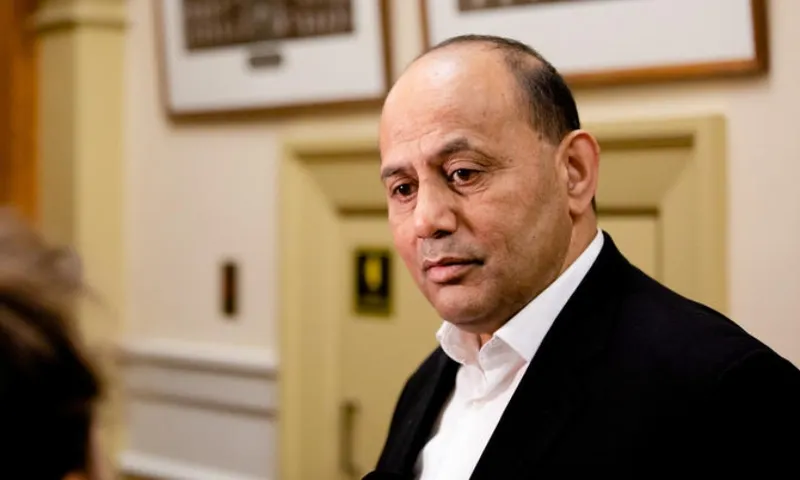
In 2026, Labour is campaigning to restore explicit te tiriti obligations removed by the current government, including in education. However, te tiriti and treaty-related issues are not a primary focus for the party. The party has ruled out calls from Te Pāti Māori for the establishment of a treaty commissioner.
Green Party
Green Party candidate for Te Tai Tonga Lisa Te Morenga was recently on TVNZ’s Marae programme and said she believed the Greens were “the strongest Māori party” in parliament.
The party’s manifesto says it sees te tiriti and He Whakaputanga as the foundation of an ongoing constitutional partnership, with iwi and hapū exercising rangatiratanga and participating in government as partners rather than advisers. It argues that continuing Crown breaches require structural change and redress, not just apologies.
Its plan would make the te reo Māori text of te tiriti authoritative in law, introduce tiriti-based decision-making across government, reform treaty settlements to better recognise hapū rangatiratanga and remove “full and final” settlements, strengthen and resource the Waitangi Tribunal – including binding powers to recommend land returns – and create additional pathways for wrongfully alienated land, including some private land, to be returned to Māori.
Te Pāti Māori
Te Pāti Māori supports constitutional transformation centred on te tiriti. Speaking on Marae recently, party co-leader Debbie Ngarewa-Packer said entrenchment of te tiriti in the country’s constitution would be a bottom line in any potential negotiations to form the next government.
The party brands itself as a tiriti-centric party. Its plan would make Waitangi Tribunal recommendations binding, establish a parliamentary commissioner for te tiriti, and require every bill to have a te tiriti impact statement. These sit within its broader mana motuhake agenda of te tiriti-based constitutional change, stronger Māori political authority, land return and greater recognition of rangatiratanga.
Despite the policy ideas, the detailed powers, processes, costs and implementation timelines for these mechanisms have not yet been set out.
The Opportunity Party
The Opportunity Party positions itself as centrist but is broadly supportive of strengthening the role of te tiriti, placing it closer to Labour and the Greens than Act or New Zealand First on treaty issues. It opposed the treaty principles bill, would repeal changes that tightened the test for customary marine title, supports equitable treaty settlements and greater teaching of te tiriti and Aotearoa history, and proposes devolving health and justice services to Māori with genuine resources and autonomy.
However, similar to Labour, its position remains underdeveloped and ambiguous. It does not explain how far Māori autonomy or rangatiratanga would extend, how te tiriti would interact with policies such as its land value tax or citizens’ assemblies, or whether its treaty commitments would be bottom lines in coalition negotiations. It’s unclear whether “honouring te tiriti” represents a fundamental principle for Opportunity or, like some of its other policies, something it would compromise on to enter government.


