16 characterisations rejected by Nicola Willis

Nicola Willis, leader of the coalition of characterisations (Photo: Mark Mitchell /New Zealand Herald via Getty Images)
A characterisation made without rejection? Not on Nicola Willis’s watch.
If you’ve been watching Nicola Willis over the past week, you might have noticed the finance minister is fond of responding to a question or statement thus: “I reject that characterisation.”
The line is well rehearsed. For the past six years, Willis has been triggering nodus tollens in journalists and MPs who dare make a characterisation before running it past her first. Her bold fight against mischaracterisations seems to have spread across her caucus as well, with Tama Potaka and Todd McClay now also rejecting pesky questions by deploying Willis’s favoured line.
Even the prime minister has made room in his already packed go-to phrase book (“what I would say to you”, “I get it”, “I don’t know how I can be any clearer”) for the line, using it last week to scold RNZ’s John Campbell (“I’d be careful saying that, John. I reject that characterisation completely”). Luxon even appears to be workshopping new ways to use the phrase, although “incorrectly characterised” just doesn’t hit the same.
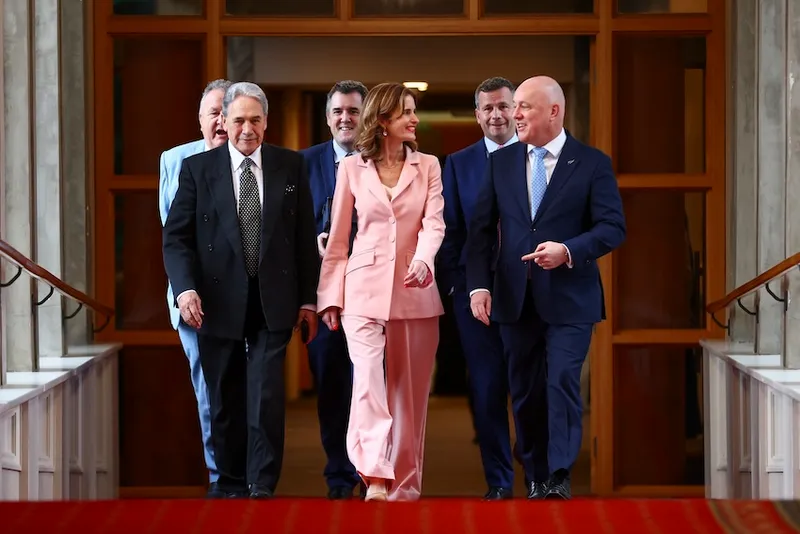
The PM should really study Willis, who has really mastered the phrase. Here’s 16 characterisations that Willis has, so far rejected:
1. November 2023: Rejects RNZ host Nathan Rarere’s characterisation that Christopher Luxon was inexperienced in coalition talks.
“I would reject your characterisation. I think, in fact, what we have had is three men with different experiences, different viewpoints with different party interests to represent.”
2. June 2024: Rejects Chlöe Swarbrick’s characterisation that forecasted pricing in the emissions trading scheme wasn’t a legal figure.
“I reject the characterisation that I have done in any way anything illegal”.
3. August 2024: Rejects Labour finance spokesperson Barbara Edmonds’ characterisation that the government defamed directors at Health New Zealand.
“I reject the characterisation that [Barbara Edmonds] has made, and that’s for this reason: I would agree that each of the individuals who served on the Health New Zealand board are capable individuals, and I believe that every one of them was on that board because they wanted to do better for New Zealanders in the health system.”
4. August 2024: Rejects Edmonds’ characterisation that she gave a tax break to the tobacco industry.
“I reject the characterisation at the beginning of [Edmonds’] question.”
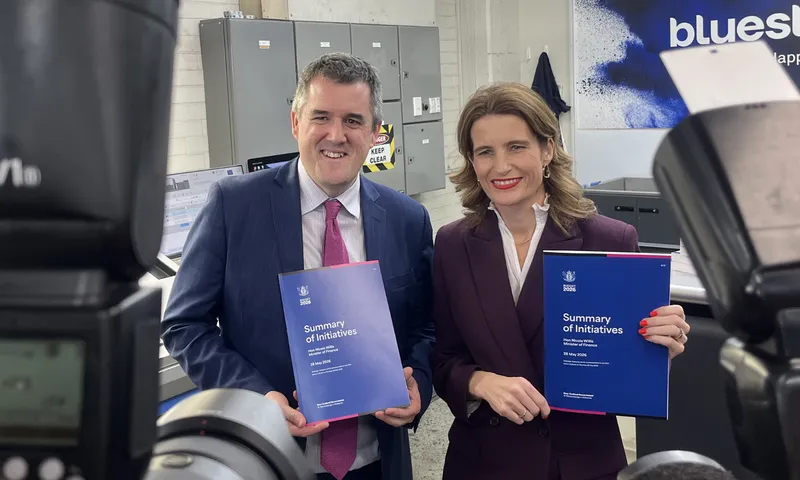
5. August 2024: Rejects Edmonds’ characterisation that she got Budget 2024 “so wrong she had to rewrite it weeks after”.
“Well, again, I reject the characterisations in [Edmonds’] question, and I’d point out the following things: tax relief out the door, fiscally neutrally; inflation down; interest rates down; stable ratings from the ratings agencies – the budget was pretty good.”
6. November 2024: Rejects a journalist’s characterisation that low growth had helped bring inflation down.
“I just reject that characterisation. What I would put to you is that this is a government that is on the side of growth, that is doing everything it possibly can to have policy settings that give businesses the confidence to invest and therefore grow.”
7. January 2025: Mixes things up and rejects Edmonds’ “accusation” that she delivered “the sharpest recession” (bar Covid) since the 1990s.
“I have utmost confidence in [me], but I also completely and utterly reject the economically ignorant accusation in that supplementary, and I ask of that member: if the job [Edmonds] wants to do as opposition finance spokesperson is to try and fool New Zealanders into thinking that Labour had nothing to do with the damage done to our economy, then she is taking New Zealanders for fools.”
8. April 2025: Rejects Labour MP Deborah Russell’s characterisation that her 2025 budget economic and fiscal update couldn’t be trusted.
“Well, again, I reject the characterisation of [Deborah Russell’s] question. There are a range of reports available to members, which they should read thoroughly, noting the many caveats that those reports often contain.”
Unfortunately, Russell mistakenly referred to her colleague Barbara Edmonds as Barbara Anderson, which led Willis to finish off with this zinger: “Barbara Anderson is apparently a New Zealand fiction writer, so she does have something in common with Barbara Edmonds.”
9. May 2025: Rejects Edmonds’ characterisation that giving tech giants a tax break was more important than pay equity.
“I completely reject the characterisations in that question and would repeat: a pay equity regime exists in law and the government expects future pay equity claims and future pay equity settlements.”
10. May 2025: Rejects Edmonds’ characterisation that a tax break for a tobacco company was a higher priority than school lunches.
“I also reject the characterisations in that question, and what I would put to this House is that if a party is unable to identify any savings, then what they are telling New Zealanders is more taxes and more borrowing are on their way.”
11. May 2025: Rejects Edmonds’ characterisation that providing a tax break for landlords was more pressing than providing support for survivors of abuse in care.
“Again, rejecting the characterisations in that question, and noting our government has delivered a historic package of redress initiatives for those survivors.”
12. July 2025: Rejects Edmonds’ characterisation that she prioritised funding for tobacco companies over community providers.
“Well, I’d reject just about every characterisation in that question.”
13. September 2025: Rejects Swarbrick’s characterisation that the government was worsening homelessness.
“I reject the member’s characterisation, because, actually, I believe that this government is pursuing policies that will deliver better housing affordability and less homelessness, in particular because we have the courage to address the underlying driver of unaffordable house prices in this country, which is restrictive green and red tape primarily through the Resource Management Act, which we are replacing.”
14. September 2025: Rejects Swarbrick’s characterisation that the government was increasing emissions.
“I reject the characterisation that we’re increasing emissions when we’ve presented a thoughtful Emissions Reduction Plan, which shows us achieving our zero carbon targets over that emissions period.”
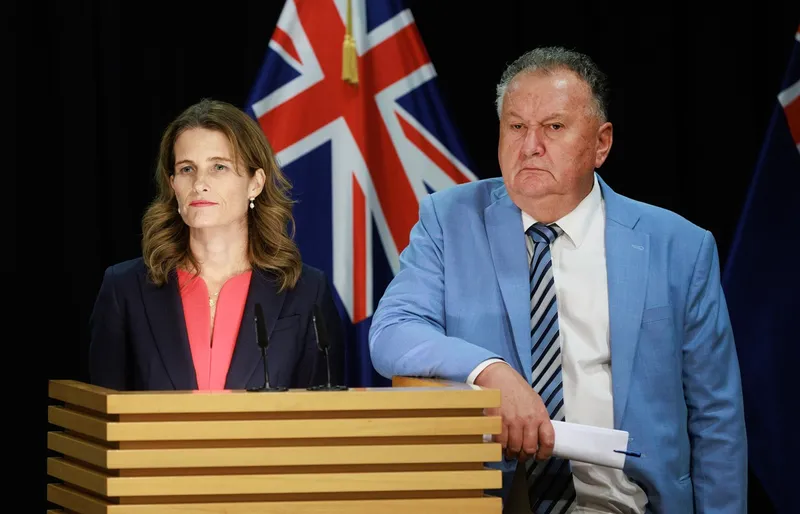
15. May 2026: Rejects Te Ao Māori News journalist Māni Dunlop’s characterisation that Budget 2026 doesn’t do enough for Māori.
“I just completely reject that characterisation. Māori want the same thing as every other New Zealander; they want the 220,000 new jobs we have forecasted, they want the stable prices we have forecasted, they want wage growth we’ve forecasted. They want strong financial foundations for our government books. Those things matter to every New Zealander, including Māori New Zealanders.”
16. May 2026: Rejects TVNZ broadcaster Jack Tame’s characterisation that the government waited until the last budget of its term to make large cuts to the public service.
“I reject that characterisation. We’ve taken an approach that we’re continuing into the future. We’ve constantly said, take resources out of the back office, drive them to the frontline, set targets for what you want to achieve in your education and health system, don’t just write big cheques, think about the existing money that’s there and how you can make it work harder, and it’s right that we would continue to add new steps to that plan and that’s wha this budget does.”

Lyric Waiwiri-Smith
Lyric is an award-nominated politics reporter at The Spinoff. She covers parliament from the press gallery, pens the weekly column One MP, One Pint and is endlessly curious about what makes our decision-makers tick. Off the clock, Lyric loves a live gig, a cold brew, and being a Wellingtonian (on a good day).


