Who’s up, down and in the danger zone as National releases its election party list

Nicola Willis, Paul Goldsmith and Gerry Brownlee. (Photos: Getty Images)
On current polling, National could lose a bunch of MPs come November 7. With its election lineup now confirmed, who’s a shoo-in, who’s a maybe and who’s at risk?
Friday’s Taxpayers’ Union-Curia poll gave the coalition a slim lead over the opposition bloc, with National on 31%, which would secure it 40 seats. On that figure, the party would return to parliament with nine fewer MPs, putting the future of some of the government’s most senior ministers in question. If the party picks up only 38 seats at the election, it would bring just two list MPs to parliament.
With the National Party having now unveiled the order of its full list of parliamentary hopefuls in the upcoming election, what can we assume about who’s staying, who’s arriving, and who’s hanging on by a thread?
Up
Nicola Willis‘s decision to run as a list-only candidate – ditching previous efforts to win the Ōhāriu seat, which no longer exists – puts her at minimal risk of not returning to parliament, because the party’s constitution automatically gives the deputy leader the number two spot on the list. Chris Bishop, whose chances of retaining the Hutt South seat are marginal, also looks set to return by remaining in the third spot.
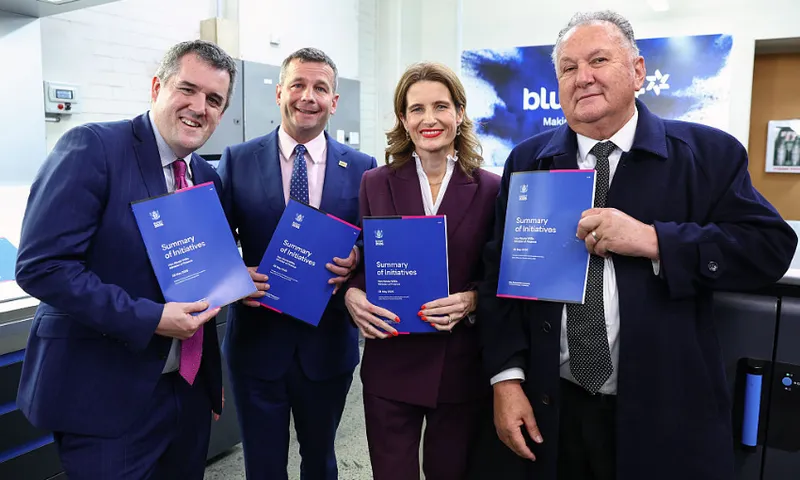
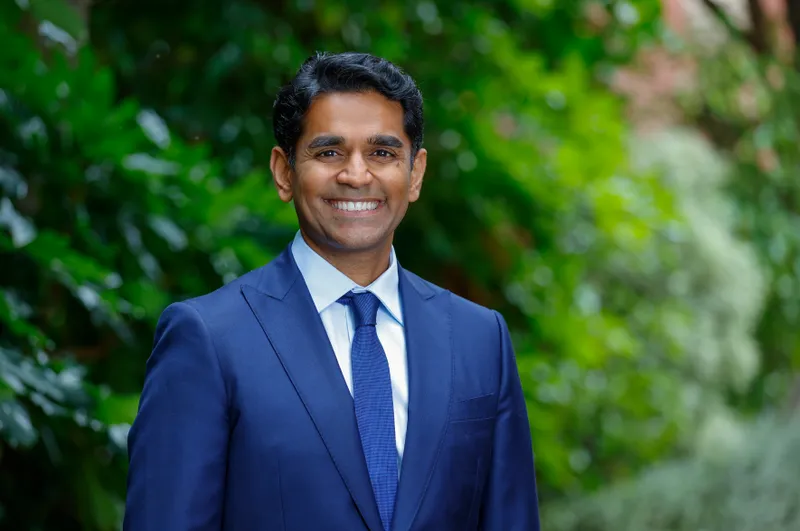
The first candidate who isn’t a current MP to appear on the list is Dale Stephens, who is running in Christchurch Central and is at number 23. It’s obvious the party sees potential in Stephens and the Tāmaki candidate ranked just below him, Mahesh Muralidhar.
New candidate and former Federated Farmers president Katie Milne, running for the wide-open West Coast-Tasman seat, finds herself at 25. She’ll be hoping to capture any goodwill drilled by up the incumbent, National’s Maureen Pugh, who leaves parliament after the election. It’s a “very winnable” electorate, according to Nicola Willis, with Milne’s competition including teacher Rory Paterson (Labour), former Westport mayor Jamie Cleine (NZ First), and anti-vax campaigner Sue Grey (Freedom).
Angee Nicholas, candidate in the newly formed Henderson electorate, came within a whisker of winning Te Atatū against Labour’s Phil Twyford in 2023. She’s ranked at 26 and is National’s only Pasifika candidate who stands a chance of being elected, but winning Henderson may mean her arrival would come at the expense of one of the more senior MPs.
All in all, non-Pākehā candidates have seen a boost in number this year. The only problem is, many of them are running in unwinnable electorates and have low list rankings, like Karuna Muthu (64) in Wellington Bays and Kristine Asuncion (42) in Dunedin.
Down
On the flip side, Māori candidates don’t seem to have been given much love. With Shane Reti gone, Tama Potaka is National’s only Māori minister in cabinet, but he doesn’t break into the top 10, being placed at 11 on the list – still up from his 2023 ranking of 24. Minister outside cabinet James Meager has been bumped up to 18, making himself and Potaka the only Māori in the top 20. If he doesn’t make it in on the list, Stephens (Te Rarawa) may find it difficult to win over Christchurch Central, which has only been represented by a National MP for two terms in its 40-year history. And Coral Raukawa’s chances of successfully contesting the Te Tai Hauāuru Māori electorate look slim against incumbent Debbie Ngarewa-Packer – with a list placing of 56, she’s got pretty much zero chance of getting in on the list.
Female candidates in winnable electorates are also few. While Wigram is wide open with incumbent Labour MP Megan Woods running as a list-only candidate this election, National candidate Tracy Summerfield may find it hard to convince the historically left-voting locals to change their stripes – and she’s ranked at 57.
While sixth place is solid, Paul Goldsmith might not be over the moon. He was fifth on the 2023 list and could’ve taken over outgoing MP Shane Reti’s fourth place, but that’s been given to campaign chair Simeon Brown. Here, Goldsmith’s big problem is Epsom: the 2011 teacup deal between former prime minister John Key and former Act Party leader John Banks has seen National encourage locals to give their electorate vote to the smaller party. Goldsmith started campaigning to win the electorate in 2023, and has previously said he’ll be running a two ticks campaign again.

Emma Chatterton dropping 25 places below her 2023 ranking looks worse on paper than it does in reality. She’s pretty much guaranteed to inherit the Papakura electorate as the replacement candidate for Judith Collins, who had held the seat since it was recreated in 2008.
Danger zone
While Gerry Brownlee‘s list spot (nine) is higher than his 2023 placing, the current speaker could be at risk if National performs poorly come November 7 – despite Luxon describing him as one of the party’s “great kaumātuas”. While Luxon tried to convince reporters at the list announcement on Saturday that placing Brownlee in the top 10 (he was ranked 14 in the last election) was a sign of respect, it wouldn’t be impossible to imagine that Brownlee is feeling anything but. Especially as the last time National went into an election as the governing party, its speaker (David Carter) was given the number three spot.
Melissa Lee may have been hoping for a second chance at a seat around the cabinet table next term, but National appears to have snuffed out those dreams. When Lee started this term, she was a cabinet minister with four portfolios. Now, she’s dropped 17 places below her 2023 ranking to 30, which gives her little chance at redemption unless she manages to nab Mt Albert, which she lost to Labour’s Helen White by just 18 votes in 2023.
In the same vein, Nancy Lu could also be a goner. Just like at the last election, the first-term MP is running as a list-only candidate and at 16, re-election is far from guaranteed. The NZ Herald reported earlier this year that Lu had put her hand up to run in Papakura, but lost that bid to Chatterton.

There’s also a handful of current sitting MPs in marginal electorates, which may swing backwards if there’s a correction following 2023’s blue wave. At 34 on the list, Mount Roskill MP Carlos Cheung‘s time may be up unless he can secure the electorate. Whanganui MP Carl Bates (29) could be a goner, and if Maungakiekie MP Greg Fleming, ranked at 44, loses his swing seat, he’ll lose it all.

Lyric Waiwiri-Smith
Lyric is an award-nominated politics reporter at The Spinoff. She covers parliament from the press gallery, pens the weekly column One MP, One Pint and is endlessly curious about what makes our decision-makers tick. Off the clock, Lyric loves a live gig, a cold brew, and being a Wellingtonian (on a good day).


