Parliament may soon run out of literal seats. Here’s their plan for more furniture

The plush green pews in the New Zealand parliament debating chamber. (Photo: Isaiah Tour/The Spinoff)
With forecasts of a record overhang, the custodians of the chamber are not just sitting around.
Speculation around the overhang has hung over the 2026 election campaign like a spectral smoke ring.
It’s not that overhangs are unusual. In five of the 10 MMP elections so far, a party has won more electorate seats than it would otherwise be apportioned based on its party vote, meaning more than 120 seats get assigned in the house.
But that’s always been one or two seats. The biggest seat count so far is the 123 of the most recent term, two of which are overhang seats and the other the result of an anomalous byelection in Port Waikato.
This time around, however, there is a very real possibility of many more seats being needed. Whether by accident, or because campaigners on the left and on the right are actively working to engineer an overhang to advantage their own cause, some modelling envisages an overhang as big as 10 (eight for National and two for Te Pāti Māori).
Such a scenario would create a parliament of, gulp, 130 seats.
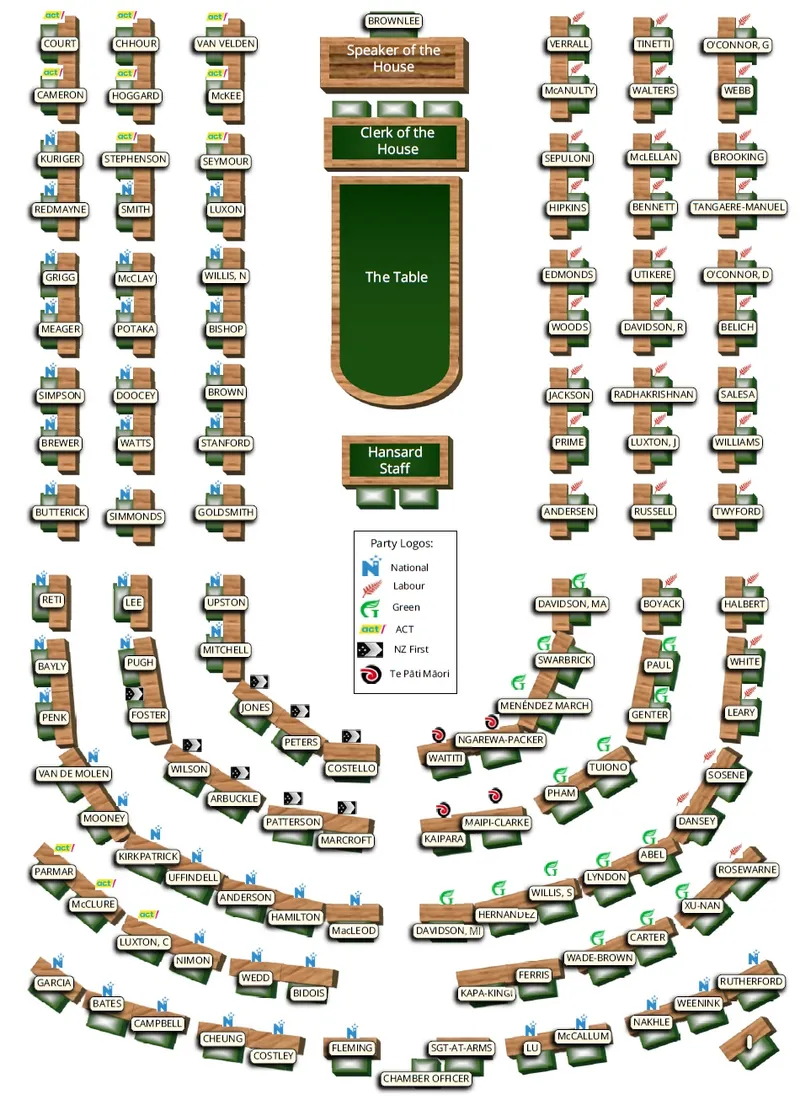
Would that lead to debates around legitimacy and electoral reform? Very likely. But more pressingly, it would be a challenge on the furniture front.
The Office of the Clerk and the Parliamentary Service are alert to these possibilities, said the clerk of the house, David Wilson.
“We can currently fit 124 MPs, including one for the speaker,” Wilson told The Spinoff.
“Work is happening now to see what we could do. We need to be ready for it.”
While some are predicting that negotiations may push the resumption of parliament into the new year, it could come as soon as early December, following the return of the writ. “We’ve got to be ready for December 3rd,” said Wilson.
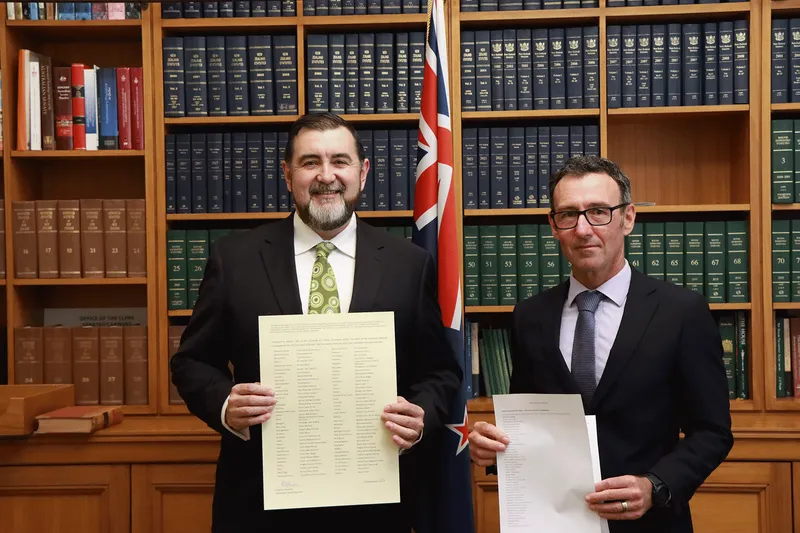
Look around the debating chamber, however, and you’ll see there’s not an awful lot of room. The existing house is “quite restrictive because of the style of pairs of seats, each with their own desks”. They can’t push the front benches closer together – each side must be separated by two-and-a-half sword lengths, obviously.
There was hope they could “fit in a couple of seats”, said Wilson. They were already working towards making some parts of the seating arrangement “modular”, in order to accommodate wheelchair users. But they were also looking at something more dramatic: benches.
Though we refer in New Zealand to frontbenchers and backbenchers, we do not have the literal benches you’ll see in the UK House of Commons, from which we inherited that terminology, along with so much of our parliamentary structure and pageantry (that sword thing included).
Our MPs sit in comparative luxury, what with their plump leather seats, decadent armrests and ornate rimu desks. And they get one each. In the lower house at Westminster, even when tightly squeezed, there is only room for about two-thirds of the 650 MPs. On a busy day it’s standing room only.
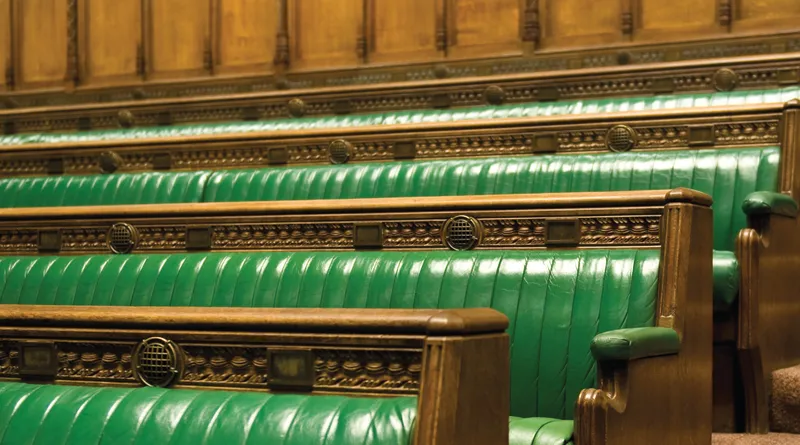
There is no plan to emulate that musical chair situation in the New Zealand chamber. They could, however, “convert some to bench-style seats, like in the House of Commons, potentially without desks”.
MPs would still get a place apiece – and it was worth remembering, Wilson pointed out, that only rarely, such as at the state opening or question times, was the house anything like full.
As for the important matters of carpentry and upholstery, Wilson said the buildings team has a preferred furniture maker equipped for the task.
And if it does get too tight, there’s always the stopgap of stackable plastic chairs, which do come in an elegant parliamentary green, for less than the price of a pint.

Toby Manhire
Toby Manhire is editor-at-large at The Spinoff. He loves to cast a pod, whether it's Gone By Lunchtime, At Large or Juggernaut. He is a former editor of The Spinoff and has worked as a journalist in NZ and the UK since the last millennium.


