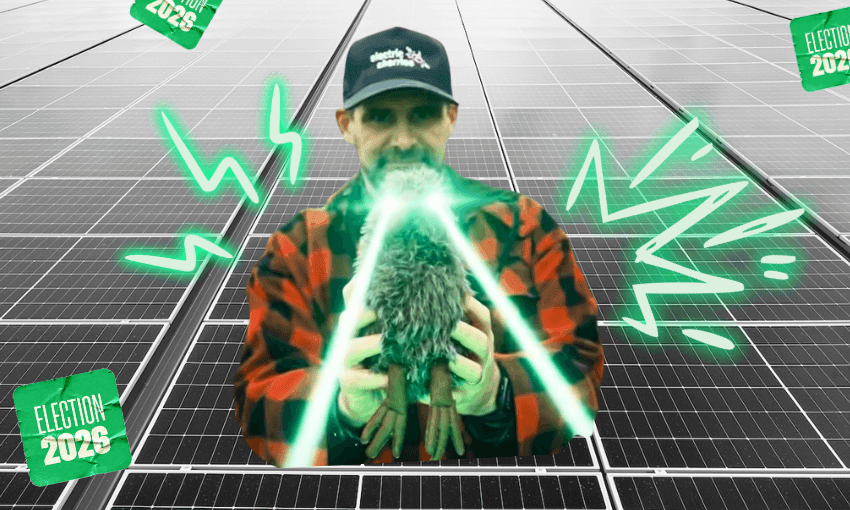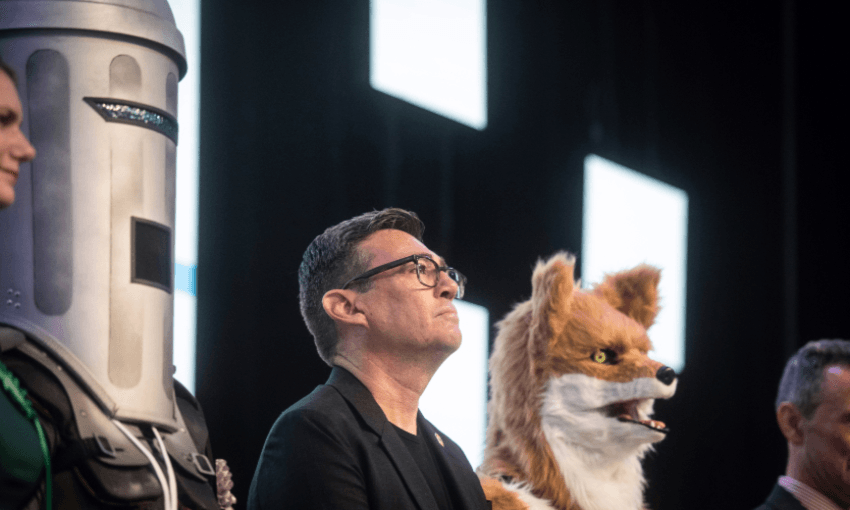



As Britain enjoys a head-to-head between Nigel Farage and a space alien with a bin on his bonce, the McGillicuddy Serious and Civilian parties are resting in peace.
Do read the comments, sometimes. Under an article I wrote the other day about the properly small parties of New Zealand, as well as in my inbox, a recurring theme from readers was: where are the (intentionally) silly parties? “What a shame,” wrote Annie, “we don’t have people like Count Binface to add some pizzazz.” Others got misty remembering the days of New Zealand’s own McGillicuddy Serious Party.
McGillicuddy Serious was founded as the political arm of the fictitious Clan McGillicuddy of Graeme Cairns, the self-appointed Laird of Hamilton, and stood candidates in elections from 1984 to 1999. It was not the only joke party of the day – in Waikato alone, the Home Brewers United Front and something called Independent Howhow contested seats in 1984 – but it was the biggest and best known.
With an overarching vision of a “Great Leap Backwards” to a feudal subsistence economy, the party pledged to replace new buildings with old buildings, sack all MPs (including themselves), and deliver more fog and hills to Christchurch. They hoped to turn Hamilton into a “medieval tourist mecca” long before Hobbiton was a twinkle in anyone’s eye.
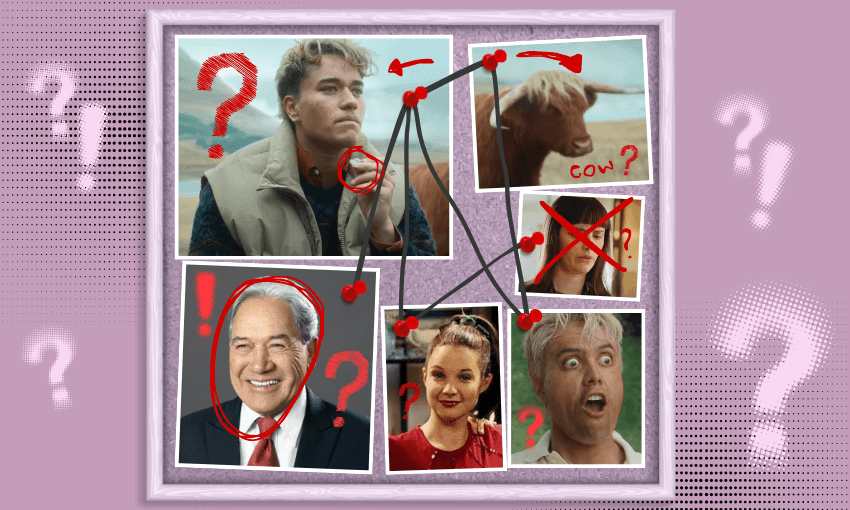
On one occasion, McGillicuddy Serious came second, even though its candidate won just 271 votes. It was the Tauranga by-election in 1993 and Winston Peters came first by a mile. Having fallen irreparably out of favour with the National Party, he had resigned his seat and stood again as an independent. All the major parties declined to take part.
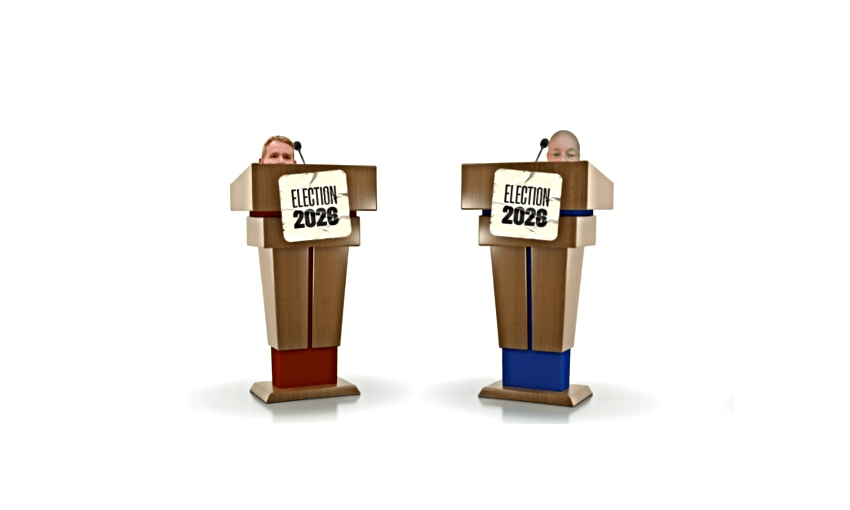
That was a precursor of sorts to the by-election playing out 33 years later – right now, that is – on the Essex coast in England. Nigel Farage, leader of the rightwing populist Reform Party, declared that he had been unfairly hounded by the media over his personal and party financiers. He would let The People “be the judges of my actions”. So he quit his seat and put his name down to run in the by-election, promising, “a chance to stick two fingers up to the entire establishment”.
Alas for the leader of Reform – a party which, it’s worth noting, has led in most UK polls across the last couple of years – Labour, the Conservatives, the Liberal Democrats and the Greens all lined up to announce they would not be dignifying his stunt by taking part.
Into the breach stepped Count Binface. These days a staple of British elections, albeit less a household name than the Monster Raving Loony Party, Binface – “performed” by an English comedian – is familiar from those declarations they hold on UK election nights, where some of the most familiar figures in politics line up, shoulder to shoulder, with candidates dressed as animals, as Muppets, or with extraterrestrial bins on their heads.

If pomposity is a tradition in British culture and politics, the only thing that stops it becoming entirely insufferable is another British tradition: pricking that pomposity.
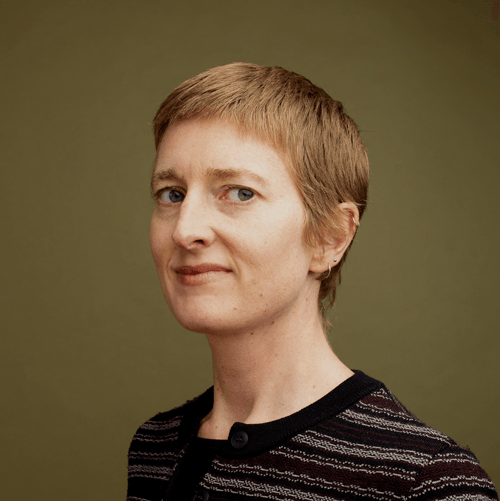
In that light, timing makes a difference. “It’s inherently a kind of cringey thing, I think, to be a joke candidate,” said Ben Uffindell, creator of New Zealand’s lapsed satirical website The Civilian and the lapsed satirical Civilian Party, speaking for an episode of The Spinoff podcast At Large with Toby Manhire. “It’s always going to be a little bit awkward.”
It requires both an acute sense of humour and a sense of purpose to pull it off. After all, a core function of a joke candidate is to lampoon the establishment candidate or candidates, to manifest a pox on all their houses.
As he takes on Farage, Count Binface, whose policies include nationalising the singer Adele, building at least one affordable house and relocating the hand dryer in the men’s toilet at the Crown and Treaty pub in Uxbridge to a “more convenient place”, could be “the most successful iteration of a joke candidate” Uffindell has seen. “I think maybe ever. I don’t want to be too declarative, but maybe ever,” he said.
“He’s actually genuinely a funny person, and that’s rare for joke candidates to be genuinely funny people [and] he’s just landed at the perfect time.”
Uffindell’s own excursion into politics was “born out of a dumb little joke”, he said. Peter Dunne’s United Future had just fallen short of the 500 financial member mark required to be formally registered as a party. It felt like a challenge to the guy who was knocking out politically charged jokes on The Civilian. “We just thought it would be funny if we tried to get to 500 before he got back to 500. And that was all it was. Just this little joke that snowballed.”
Once they’d registered, however, Uffindell realised that wasn’t mission accomplished. “I was a bit like the dog that caught the car. I’d got this party and I didn’t know what to do with it.”
A range of policies were laid out, including free ice cream and llamas for everyone. They spent the $38,000 apportioned by the Electoral Commission entirely on one advertising hit during The Block, “because it was such a big show at the time”.
If every New Zealand household used energy efficient light bulbs we’d save the same amount of energy Hamilton uses in a year, the TV commercial noted, so wouldn’t it be simpler to simply get rid of Hamilton? A large wall should be erected around Hamilton and the rest of the country would declare independence – a nod, perhaps, to the McGillicuddy pledge to build a moat around the city.
Was Uffindell aware of the McGillicuddy record? “I really appreciated the legacy,” he said. “They certainly did better than I did, and people remember it. No one remembers the Civilian Party, but people do remember McGillicuddy.”

The purpose of the McGillicuddy Serious Party, which blended comedy, cosplay and performance art, was to make New Zealand “a more interesting place”, said founder Graeme Cairns, speaking to John Cowan on Newstalk ZB recently. Their stock in trade was “very influential rubbish”.
With alumni that include Metiria Turei, who went on to become co-leader of the Greens, the McGillicuddy Serious Party soared as high as 11,714, or 0.61%, in 1993. (The Civilian Party in 2014 won 1,096 votes or 0.05%.)
In poking fun, the party pointed a light at the absurdities of the institutional politicians, said Cairns. “It’s a very effective communication tool, particularly if you’re able to poke fun at both sides of an entrenched argument, and at yourself,” he said. “Not only do you send up the people who’d have you believe it’s a black-and-white issue, but you get everybody thinking more broadly. It can reduce xenophobia, reduce fear and hatred – and people laughing is great, too.”
For Uffindell, there can be meaning in the joke party’s work – a “wisdom in the jester” – but at a broader level it offers a simple tonic. “I just think it’s a little bit of joy in the midst of misery. People get down on themselves when they follow the news. They get a little depressed, and this is a little bit of joy.” At its best, it is “very cathartic”.
There’s good news for fans of The Civilian: the satirical masthead, which has lain dormant for some years now, will return to cast its eye on the campaign in the weeks to come. “I’ve got to do something,” said Uffindell.
But there is no reanimation in store for the Civilian Party. “The party is not coming back. I’ll mark that line in the sand.”
The Clacton by-election, for which Farage and Binface are considered favourites, is on August 13.
To get every episode of At Large with Toby Manhire in your podcast feed, follow here for Spotify, or here for Apple. You can watch the lot on YouTube by subscribing to the Spinoff here or browsing all the episodes here.