Every electorate race in Election 2026, ranked from least interesting to most interesting

Hūhana Lyndon and Chris Bishop are among candidates in close and critical electorate races. (Image: Tina Tiller/The Spinoff)
With a four-way race in Te Tai Tokerau, senior ministers who could lose their seats and the growing chance of overhangs on the left and right, electorate votes will play a major role in the 2026 election. But which battles are set to be the spiciest?
Individual electorate battles are often the most interesting part of election night coverage, even though the party vote has a greater influence on the makeup of parliament. Electorate races are especially important this year due to the potential for overhangs and the possibility that some senior MPs could lose their places in parliament. The continued rise of the minor parties means there are several three- or four-way contests and many races could be decided by vote-splitting.
This is The Spinoff’s ranking of the best electorates to keep an eye on come election night. They’re rated from one box of popcorn (entirely predictable safe seat) to five boxes of popcorn (too-close-to-call races with multiple contenders, seats that could flip, high-profile MPs at risk of losing their seat or anything that could produce an overhang or a first-time win for a party).
🍿
71-41: The safest seats
Predicted winners are in brackets.
Botany (Christopher Luxon, National)
Coromandel (Scott Simpson, National)
East Coast Bays (Erica Stanford, National)
Invercargill (Penny Simmonds, National)
Kaikōura (Stuart Smith, National)
Kaipara ki Mahurangi (Jessica Rowe, National)
Kenepuru (Barbara Edmonds, Labour)
Māngere (Lemauga Lydia Sosene, Labour)
Manurewa (Arena Williams, Labour)
Mt Maunganui (Tom Rutherford, National)
New Plymouth (David MacLeod, National)
North Shore (Simon Watts, National)
Northcote (Dan Bidois, National)
Ōtāhuhu (Jenny Salesa, Labour)
Pakuranga (Simeon Brown, National)
Papakura (Emma Chatterton, National)
Port Waikato (Matthew Paul, National)
Rangitata (James Meager, National)
Rangitīkei (Suze Redmayne, National)
Remutaka (Chris Hipkins, Labour)
Rotorua (Todd McClay, National)
Selwyn (Nicola Grigg, National)
Southland (Joseph Mooney, National)
Takanini (Rima Nakhle, National)
Taranaki-King Country (Barbara Kuriger, National)
Taupō (Louise Upston, National)
Tauranga (Sam Uffindell, National)
Upper Harbour (Cameron Brewer, National)
Waikato (Tim van de Molen, National)
Waimakariri (Matt Doocey, National)
Whangaparāoa (Mark Mitchell, National)
🍿🍿
40. Hamilton West
National’s Tama Potaka cruised to a 17% victory in 2023 over Labour’s Myra Williamson. With a re-run of the top two candidates, Potaka should be set for a similar victory.
39. Glendene
Labour’s Carmel Sepuloni won the former Kelston electorate by 13% in 2023. The new boundaries could tilt the balance slightly towards the right, but it's unlikely to change much.
38. Whangārei
Whangārei is typically a safe National seat, though it swung to Labour during the red wave election of 2020. National’s first-time candidate Lloyd Budd is widely expected to win, but he faces strong competition from Labour’s Gary Payinda, a high-profile emergency doctor.
37. Hamilton East
National’s Ryan Hamilton ran 13% ahead of Labour’s Georgie Dansey in 2023. The two are facing off again this time and a similar result is likely.
36. Napier
Napier has gone back and forth between Labour and National in several recent elections, though it's not expected to swing this time. National’s Katie Nimon won a decisive 22% victory in 2023. There’s little reason to think the result will be different against Labour’s new candidate Alex Hedley.
35. East Cape
National’s Dana Kirkpatrick won by 8% in 2023, when this electorate was known as East Coast. This time, she’s facing Labour List MP Jo Luxton, who previously represented the South Canterbury seat of Rangitata. NZ First isn’t running a candidate in the seat, which should make things even easier for Kirkpatrick.
34. Auckland Central
Conventional wisdom says Green Party co-leader Chlöe Swarbrick should have little trouble winning the seat for the third time, though a Taxpayers' Union-Curia poll last week suggested it was a narrow race, with Swarbrick just 4% ahead of National’s Candace Kinser.

33. Christchurch East
Labour’s Reuben Davidson won by 6% in 2023 over National’s Matt Stock. It was an unusually narrow victory in an electorate that is typically considered a safe Labour seat. Davidson will hope to increase that margin against National’s new candidate Alexandra Davids.
32. Ikaroa-Rāwhiti
Māori electorates are always hard to pick. That’s especially the case this election, but Ikaroa-Rāwhiti is likely the most predictable. Labour has held the seat ever since it was formed in 1999. Cushla Tangaere-Manuel defeated Te Pāti Māori’s Meka Whaitiri by an 11% margin in 2023. Te Pāti Māori’s new candidate Haley Maxwell will need a huge swing of strategic voters to change that.
31. Hauraki-Waikato
Hana-Rāwhiti Maipi-Clarke is a superstar in te ao Māori and should have this electorate on lock for as long as she wants it. She defeated Labour’s Nanaia Mahuta in 2023 and is facing lesser-known competition this time in Labour's new candidate Kingi Kiriona.
30. Tukituki
Should be an easy win for National’s Catherine Wedd. It will be worth watching to see how New Zealand First candidate and former All Blacks captain Taine Randell performs.

29. Waiariki
Te Pāti Māori co-leader Rawiri Waititi won an enormous victory in 2023, with a 65% margin over his closest rival. Internal troubles within the party and the emergence of the high-profile Green Party candidate Tania Waikato could narrow the margin, but a Whakaata Māori-Curia poll in early October showed he still had a commanding lead.
28. Northland
National’s Grant McCallum won by 13% in 2023 and should have no trouble repeating the victory. While the result isn’t in doubt, there are a couple of points of interest for poll-watchers. New Zealand First’s Shane Jones managed 17% of the electorate vote last time – can he increase that total, or has he burned too many bridges? And Act’s Mark Cameron is still on the ballot despite withdrawing due to ill health, but is so popular among his party’s supporters that he could still pick up a few hundred votes.
27. Whanganui
National’s Carl Bates won by a 14% margin in 2023 and is likely to repeat that result. However, Labour’s Angela Roberts should benefit from the lack of a Green Party candidate, while Bates could lose some votes to New Zealand First’s Harete Hipango-Brownlie, who previously represented the electorate for National.
26. West Coast-Tasman
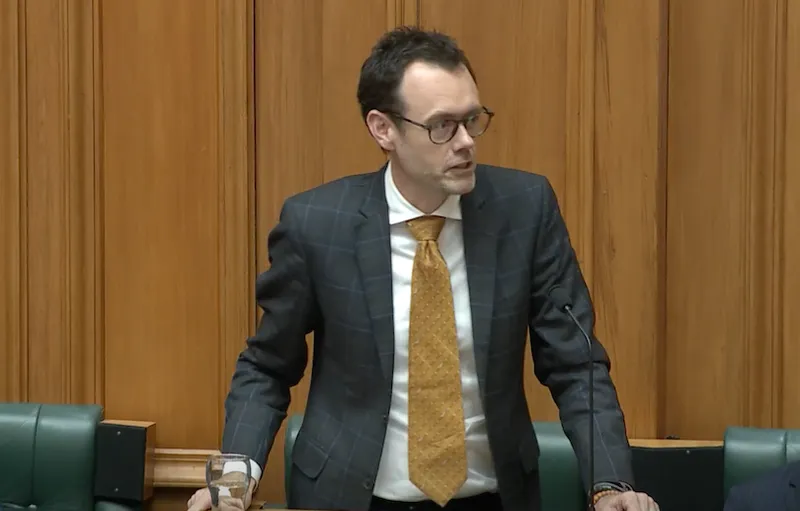
The birthplace of the Labour Party looks much bluer these days. It’s an open race this time with National’s Maureen Pugh retiring and Labour’s Damien O’Connor moving to Waitaki. Former Federated Farmers president Katie Milne is running for National and should stand a good chance against Labour’s Rory Paterson, a teacher based in North Canterbury.
25. Tāmaki Makaurau
Oriini Kaipara won a decisive victory in the byelection for the Auckland Māori electorate last year and is likely to hold the seat. Her main rival, Kerrin Leoni, was dumped by the Labour Party for taking campaign photos at a Mongrel Mob gang pad. However, Leoni’s name is still on the ballot paper with Labour Party branding, so it’ll be interesting to see how many voters throw their support behind her anyway.

24. Ilam
Ilam was Opportunity’s best electorate in 2023, with candidate Raf Manji pulling 26% of the electorate vote. National’s Hamish Campbell won with 44%, benefitting from a vote split on the left. Opportunity isn’t running a candidate in Ilam this time, and Labour’s Rata Jamieson is a 21-year-old student who lacks profile and experience. Campbell should be well-placed to keep his seat.
23. Waitaki
Typically a safe National seat, Waitaki is a likely victory for Miles Anderson, but two factors could narrow the race: Labour’s Damien O’Connor has moved from his previous West Coast-Tasman seat and is a stronger candidate than any the party has run in recent years. O’Connor should benefit from the lack of a Green candidate. And high-profile former MP and radio host Michael Laws is standing for New Zealand First, which could cause some vote-splitting on the right.
22. Epsom
Act’s David Seymour has won Epsom four times, aided by National supporters voting strategically. There’s no teapot deal this time: National’s Paul Goldsmith is running a two-tick campaign and may need to win the seat to retain a place in parliament. However, Seymour is still the strong favourite.
🍿🍿🍿
21. Wairarapa
As a rural electorate with a large farming industry, Wairarapa fits the bill of a typical National safe seat. But there are a couple of factors that complicate that. The first is Kieran McAnulty, one of the few Labour MPs who is personally popular among rural voters and who is widely speculated as a future party leader. The second is New Zealand First candidate Ron Mark, a former Carterton mayor who has earned as much as 23% of the electorate vote in the past.
National’s Mike Butterick won by a 6% margin in 2023, but if some right-leaning voters move to Mark, it could help McAnulty find a path to victory.
20. Kapiti
Labour candidate Sophie Handford, a 26-year-old former district councillor and founder of the School Strike 4 Climate NZ movement, makes this race interesting. National’s Tim Costley won the former electorate of Ōtaki by 14%, and the area’s redrawn boundaries add an element of the unknown, but a closer analysis of the changes shows the fundamental balance of the area hasn’t shifted much.

19. Dunedin
A two-horse race between Labour’s Rachel Brooking and the Greens’ Francisco Hernandez. Brooking won by an easy 20% margin in 2023, but a term in parliament has helped Hernandez to build his profile and he’s running a proper two-tick campaign this time, so that margin should tighten.
18. Maungakiekie
Maungakiekie, which covers Auckland suburbs like Onehunga, Royal Oak and Ellerslie, is always close, though it has typically leaned towards National. Greg Fleming beat Labour’s Priyanca Radhakrishnan by 13% in 2023 and the two are facing off again this time. One big change: the new boundaries now include Panmure, which will shift the balance slightly towards the left.
17. Waitākere
National’s Paulo Garcia secured a surprise 2.5% victory over Labour’s Deborah Russell in 2023, when the electorate was known as New Lynn. The two major parties have new candidates this time: Vanushi Walters for Labour and Agnes Loheni for National. It’ll likely be another close race that could be decided by vote splitting. The Greens’ Steve Abel got 13% last time and is running again.
16. Tāmaki
Tāmaki has traditionally been one of National’s strongest seats, though Act’s Brooke van Velden scored a major coup when she won in 2023 over Simon O’Connor, whose social conservatism was out of step with the urban liberal population.
National’s Mahesh Muralidhar, a prominent startup investor and adviser, is a better fit for the area’s politics. His main competition is Act candidate James Christmas, a lawyer and former National candidate who has run an intensive campaign. Labour’s Max Harris is touted as a rising star by some in the party; he isn’t expected to win, but a strong result could boost his career regardless.

🍿🍿🍿🍿
15. Te Tai Tonga
Incumbent MP Tākuta Ferris left Te Pāti Māori in May and is running as an independent against Te Pāti Māori’s Lisa Marie Murch, Labour's Mananui Ramsden and the Greens’ Lisa Te Morenga.
A Whakaata Māori-Curia poll in September showed Ramsden on 30% and the other three candidates all between 15 and 17%, but a slightly later Horizon poll for RNZ's Mata gave Ferris a narrow lead.
14. Henderson
Labour’s Phil Twyford eked out a narrow 131-vote victory over National’s Angee Nicholas in the former seat of Te Atatū. The two candidates are going head-to-head again this time and similarly close margins are likely. The new boundaries have taken in chunks of three former electorates, adding an air of unpredictability.
13. Wigram
One of National’s few opportunities to flip an electorate currently held by Labour. Megan Woods won by just 3% over National’s Tracy Summerfield in 2023. Summerfield is back again but Woods has gone list-only, with newcomer Dominik Yanzick as the party’s candidate. With a low public profile, and new boundaries that have tilted this Christchurch electorate towards the right, Yanzick is facing an uphill battle to defend the seat.
12. Te Tai Hauāuru
Te Pāti Māori co-leader Debbie Ngarewa-Packer won by a 35% margin in 2023, but she’s up against a much more formidable candidate this time. Labour’s Te Pūoho Katene is a Fulbright scholar and a prominent Māori business leader who has led several iwi organisations, trusts and community agencies.
A Curia-Whakaata Māori poll in September put Ngarewa-Packer ahead by 11%, but with a large number of undecided voters, this race could go either way.
11. Taieri
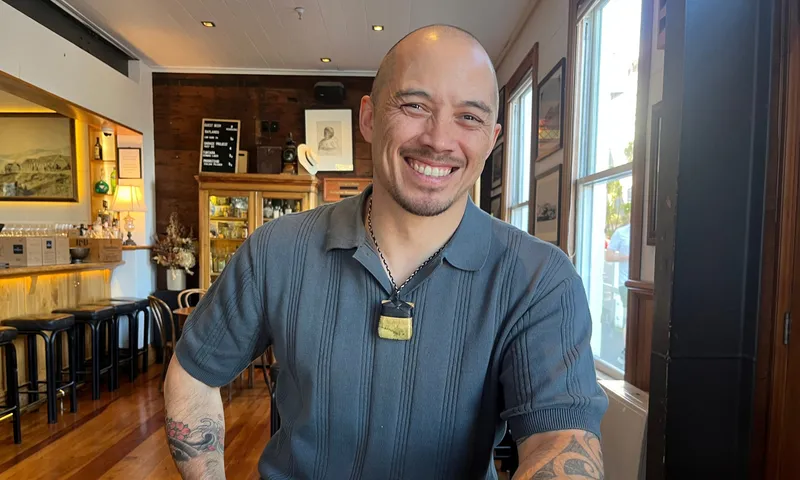
Labour’s Ingrid Leary won by 3% over National’s Matthew French in 2023. The two candidates are facing off again and the boundaries are unchanged, so expect a similarly close result.
10. Palmerston North
Labour’s Tangi Utikere topped National’s Ankit Bansal by 9% in 2023, and the two are set to face off again this election. However, boundary changes have shifted the electorate to the right, which could make this a tight race.
9. Banks Peninsula
Just 196 votes (0.85%) separated the top two in 2023, when National’s Vanessa Weenink eked out a victory over Labour’s Tracey McLellan. The pair are facing off again in 2026 and it’s likely to be a similarly close result. There is one key difference: the Greens’ Lan Pham earned 17% of the electorate vote last time, but has since moved to Kenepuru. The party’s new candidate, Craig Pauling, has a lower profile and is unlikely to draw the same vote split, potentially helping McLellan.
8. Wellington North
The Greens’ Tamatha Paul won a clear 13% victory last election in the former Wellington Central electorate but it will likely be much closer this time. Labour is running Ayesha Verrall, a high-ranking MP with a stronger public profile than previous candidate Ibrahim Omer. Boundary changes have shifted the electorate slightly to the right, and many National-leaning voters could give their electorate vote to Verrall in order to block Paul’s path to re-election.
7. Nelson
This one will be a nail-biter. Labour’s Rachel Boyack beat National’s Blair Cameron by just 26 votes in 2023. The two are facing off again this time and it’s likely to be similarly close. Vote splitting on the left could be a factor: Nelson has always been a strong area for the Greens, and the party is being represented by former deputy mayor Rohan O'Neill-Stevens.
🍿🍿🍿🍿🍿
6. Mt Roskill
National’s Carlos Cheung claimed a surprise victory over Labour’s Michael Wood in 2023. He was aided by Wood being caught up in a scandal; he resigned from cabinet after failing to declare that he owned shares in Auckland Airport.
After three years in the wilderness, Wood is aiming to regain the seat. It would be a notable comeback story, and he would immediately become one of Labour’s most senior MPs. However, demographic and boundary changes have tilted the traditional red seat closer to the right, which could aid Cheung.
5. Wellington Bays
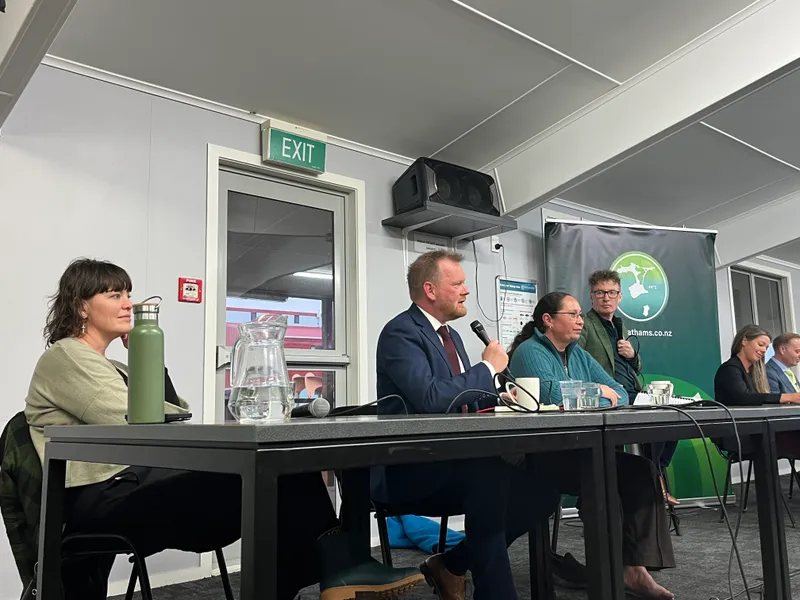
It’s a two-horse race between Labour and the Greens in the most left-leaning general electorate – which has even become more left-leaning with the new boundaries. Julie Anne Genter won the former seat of Rongotai last election in a huge coup for the Greens, and defending the seat is a point of pride for the party. She’s up against Labour’s Craig Renney, a prominent economist and policy director for the New Zealand Council of Trade Unions who has been speculated as a future finance minister. Renney will need to win the electorate to enter parliament while Genter has a safe spot on the list, so strategic voting could favour Renney.
4. Mt Albert
Labour’s Helen White squeaked in by just 18 votes over National’s Melissa Lee in 2023. There was a significant vote split on the left, with the Greens’ Ricardo Menéndez March winning 24% of the electorate vote. All three are back again in 2026, with the addition of another high-profile candidate: Opportunity leader Qiulae Wong.
A Spinoff-Curia poll in September showed a tight race with White leading Lee by 1%. Both of the major party candidates will need to win the seat to return to parliament.

3. Hutt South
Hutt South is the ultimate bellwether seat. The winner of the party vote in Hutt South has also won the nationwide party vote in every election since 1999.
National’s Chris Bishop and Labour’s Ginny Andersen are facing off for the fourth consecutive election. Bishop won in 2017, Andersen won in 2020, and Bishop took it back in 2023. The electorate's new boundaries have tilted it slightly to the left.
A Victor Consulting poll in September put Andersen 12 points ahead. Bishop is one of National’s most senior ministers but could potentially find himself out of parliament entirely if he doesn’t win the seat.
2. Te Tai Tokerau
The most chaotic and unpredictable of the Māori electorates, Te Tai Tokerau is a four-way race where anything could happen.
The seat is currently held by Mariameno Kapa-Kingi, who left Te Pāti Māori in May and set up her own Te Tai Tokerau Party. Labour’s Willow-Jean Prime is a high profile MP who previously won the Northland general electorate. Te Pāti Māori’s Aperahama Edwards is a respected iwi leader who chairs the Ngātiwai Trust Board. And the Greens’ Hūhana Lyndon is making a big push to win the party’s first-ever Māori electorate.
A recent Whakaata Māori-Curia poll gave Lyndon a narrow lead, but with the four leading candidates all polling between 12% and 24% and a large number of undecided voters, the final result is anyone’s guess.
1. Christchurch Central
City-centre electorates always carry a certain prestige, and that’s especially true for Christchurch Central this year. The Greens are running an intensive campaign for Kahurangi Carter in the hopes of claiming the trifecta of central electorates in Auckland, Wellington and Christchurch. Labour’s candidate, George Hampton, is particularly impressive: a Harvard-educated Fulbright scholar who worked for the United Nations Foundation and co-owns Mr Whippy. And National’s Dale Stephens has strong name recognition as a third-time candidate and could benefit from vote-splitting on the left. The race was decided by less than a 5% margin last time. In 2026, anything could happen.

Joel MacManus
Joel MacManus is a senior writer for The Spinoff. He previously worked at RNZ and Stuff, and began his career at Critic Te Ārohi. His writing explores the political, economic and cultural systems that underpin modern New Zealand. He won the 2025 Voyager Media Award for Best Columnist, Opinion or Critique.


