There’s a reason we’re obsessed with stressful entertainment

How did watching relentlessly stressful movies and TV dramas become our preferred way to relax? A psychologist explains.
After a relaxing day of watching climate catastrophes and state-sanctioned killing on my phone, there’s nothing I love more than a soothing shift at The Pitt. “Ahhh” I will say, sipping a herbal tea as Dr Robbie paces around the ED in a hoodie, bombarded with bones protruding out of armpits, screaming abandoned babies, and people missing parts of their skulls. Car crash victims are flatlining, maggots are crawling in open wounds, and everyone is yelling, all the time.
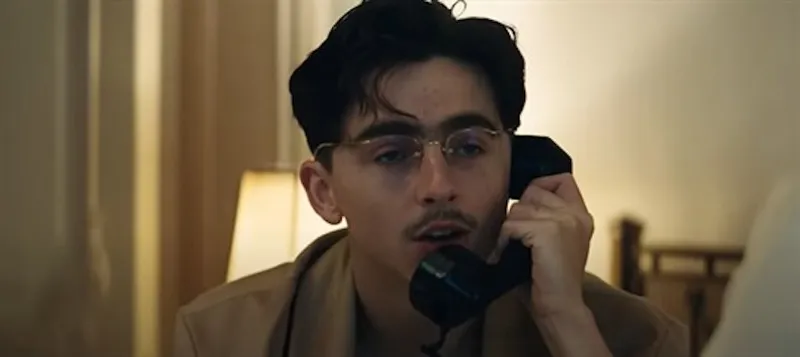
The tension seldom lets up. On the weekend, I go to the movies and see Marty Supreme, the whole audience increasingly breathless as a desperate Timothée Chalamet ping pongs around New York leaving a trail of destruction in his wake. Somewhere between the full bath crashing through a ceiling and splintering an arm in half, and a pregnant woman getting shot at, one audience member picks up his puffer jacket (Christchurch in January) and leaves.
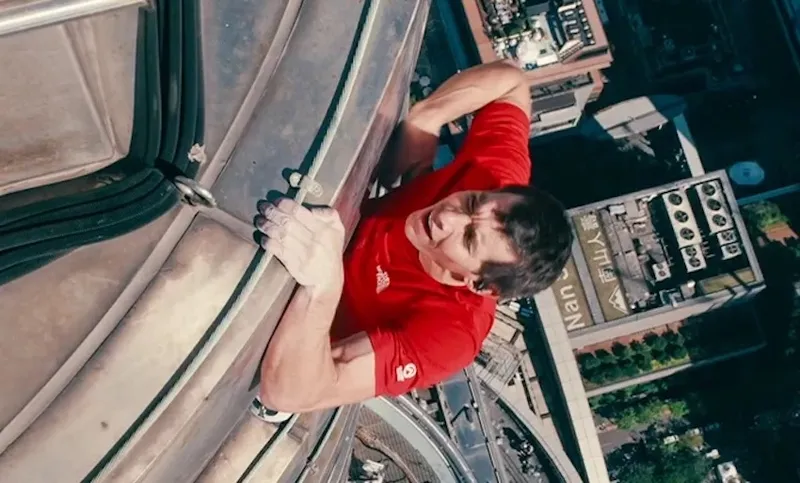
Even The Traitors UK, born of a cosy genre built around escapism and fantasy, keeps the anxiety dialled up to 11. Weeks of lies and deception culminate in a final week so tense that I feel more nauseous than poor James spewing his way up a Scottish hill. Ahhh, time to open Netflix and watch live as a fella scales a 508 metre tall skyscraper and tries not to plummet to his own death. “No ropes. No fear,” the publicity material goads. “A high-stakes, live ascent.”
About the only refuge in my stress-filled schedule these days is the occasional episode of Mad Men, making the stylistic contrast with the old days (10 years ago) all the more stark. In Mad Men, the camera is fixed. The characters are allowed to breathe, sit in silence, and even look out the window occasionally. The glacial pace feels alien off the back of years of Safdie crash zooms, Succession shaky cams, Squid Game gore, and The Bear’s relentless cross-shouting.
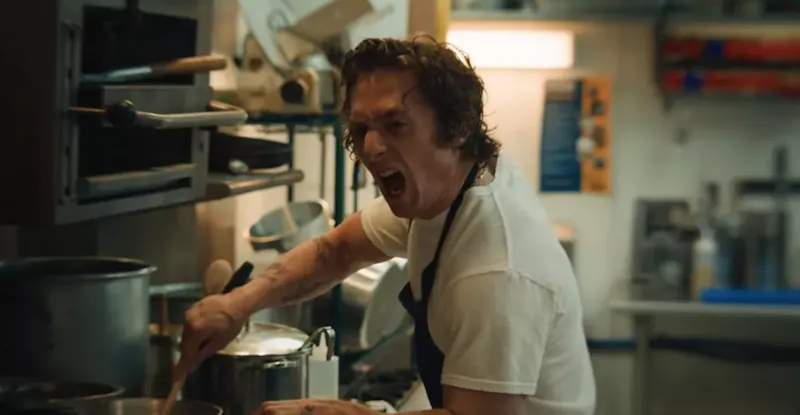
So how is it that a ‘66 minute stress bomb’ and ‘cinematic stress test’ become our preferred way to relax? Gareth Schott, media psychologist from the University of Waikato, says the trend reveals a lot about our desire to experience “controlled fear” from our cosy couches. And though research consistently shows that conflict and violence-driven content leads to “heightened anxiety, sensitivity to stress, and a diminished sense of safety,” we still can’t look away.
This could be because our main exposure to life’s horrors used to be through what Schott calls “hyper-real entertainment violence” in movies and video games, but we have now been forced beyond the comfort of fiction thanks to social media. For example: “The circulation of footage from the US, Bondi Beach or even Mt Maunganui may not necessarily depict gore,” Schott says, “but they are more horrific for the knowledge that what we are viewing involves real people.”
That deluge of distress on our phones could also be changing our views on what we find acceptable to then see depicted in the media, says Schott. Where news ethics previously saw death only implied by wreckage and rubble, times have changed. “The recent events in the US, I suspect, are increasing the perception of media as less edited, controlled and regulated, potentially exposing us to unexpected or shocking material that we haven’t experienced before,” he says.
It is that changing tolerance, Schott says, that could be fuelling audience interest in twisted events like Netflix’s Skyscraper Live – tension-filled stunts which have the potential for livestreamed death and disaster. “These shows are also very much an exaggeration and extension of the increasing influence and dominance of reality television,” he adds. “They are pushing the boundaries of a format that already offers a great platform for escapism, voyeurism and unscripted drama.”
So while tension-filled viewing looks to continue to keep us white-knuckled for a while yet, Schott notes to stay aware of the impact it might be having on one’s mental health, particularly when paired with a steady diet of real-world horrors. I’ll still be returning to see my frazzled friends at Pittsburgh Trauma Medical Centre soon, safe in the knowledge that I can chase the adrenalin with a televisual chill pill as required. I hear Bridgerton is lovely this time of year.

Alex Casey
Alex Casey is a senior writer at The Spinoff with over a decade of experience writing about popular culture and social issues in Aotearoa. She lives in Ōtautahi and likes watching reality TV and walking the dog, occasionally at the same time.


