What are ‘space vapes’ and are they on the rise?

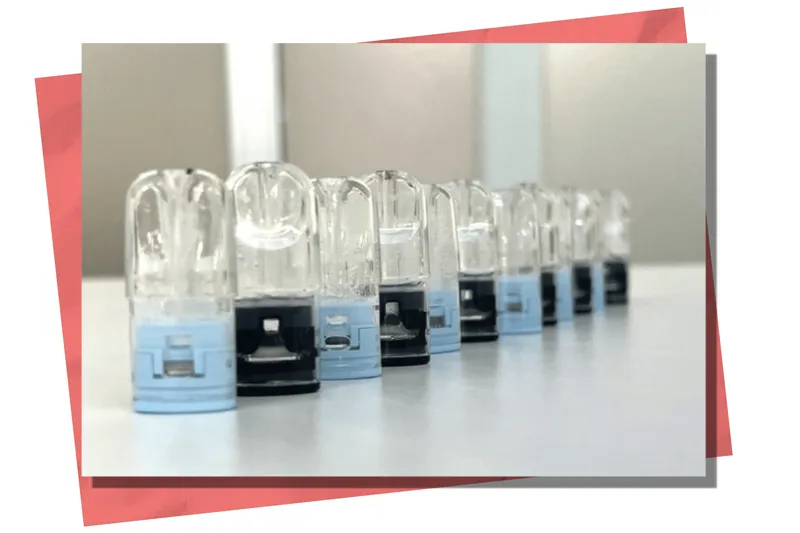
These illicit vapes contain etomidate, a sedative that’s used medicinally as an intravenous surgical anaesthetic. (Photos: The Level. Composite image: Tina Tiller/The Spinoff)
Experts are worried about illicit vape pods in New Zealand. Here’s what’s going on.
As summer approaches, New Zealand drug authorities are sounding the alarm about “space vapes”, circulating fresh warnings about the black market products amid rising hospitalisations. They’re worried it’s going to get worse.
Um, what are space vapes?
Psychoactive vape pens and pods that are sold on the black market. They contain etomidate, a sedative that’s used medicinally as an intravenous surgical anaesthetic. Vaping it causes quick, temporary effects – users describe the feeling as euphoric and dissociative, somewhere between nangs and ketamine.
The recreational use of the anaesthetic is relatively new, says NZ Drug Foundation executive director Sarah Helm. “There isn’t much clinical data about long-term impacts, especially from regular consumption.”
Also called space oil, k-pods and eto, etomidate vapes have been in New Zealand since at least January 2025, when drug-checking clinics started being given products for testing. Around the same time, High Alert, New Zealand's official drug early warning system, identified illicit pods for sale on local dark web channels. It issued a public safety alert about the products in November 2025.
Right, so what’s happened now?
Experts have renewed calls for caution ahead of festival season as etomidate use appears to be on the rise. Drug-checking clinics have reported an increase in etomidate vapes, which have been linked to instances of “acute” drug harm, and there's reportedly been a “sharp rise” in etomidate-related hospitalisations.
Most hospitalisations are due to users ingesting multiple doses of the drug, according to The Level, the education platform run by the New Zealand Drug Foundation. Basically, people are chasing that initial high and end up overdosing, because it’s hard to tell how much you’ve taken or what the concentration is.
High Alert is also monitoring reports of harm related to space vapes. It believes “increased detection” indicates the potential for a “rapid spread” of illicit etomidate domestically.
What are the risks?
Twitching, loss of coordination, drowsiness, dizziness, confusion, nausea, vomiting, breathing difficulties, low blood pressure and a low heart rate, according to High Alert.
High doses of etomidate can lead to everything from agitation, aggression and “psychological disturbances” to seizures, tremors and unconsciousness. In severe cases it can also cause adrenal suppression and organ failure.
What else you’re doing has an impact too; using etomidate with other depressants – such as alcohol, benzodiazepines, ketamine or opioids – can increase the risk of adverse reactions or overdosing.
Hmm, that’s not good.
Because the recreational use of etomidate is relatively new, clinical data about long-term impacts is limited, especially from regular consumption. But etomidate does pose “specific risks” beyond more common drugs like MDMA, says Helm. These include the unknown dosage posed by vapes and the brief duration of the etomidate high – because it's so quick and vapes are compulsive, people hit them again and again.
Vaping contributes to the risk factors because it’s convenient, unobtrusive and relatively socially acceptable compared to other drug paraphernalia. “People can use significant amounts over short periods, especially as vaping is so easy to do,” explains Helm. “This can result in tolerance and dependence developing more quickly.” Habitual users can experience significant withdrawal symptoms.
Yikes!
Concern isn’t limited to etomidate either. Local drug testing clinics have also found GBL (similar to GHB, aka fantasy, but stronger), pregabalin (an anticonvulsive pharmaceutical) and traces of ketamine in vape pods, which are “heavily adulterated” with other substances, experts say.
Due to the nature of the black market, no rules, regulations, quality control, labelling standards or marketing norms apply to space vapes. Even if you’re not buying etomidate you might be buying etomidate. Some vapes being sold as “high-dose nicotine” and “liquid ketamine” were actually etomidate, according to The Level.
And etomidate vapes are illegal?
Yep. Etomidate is a controlled substance in New Zealand, classified as a Class C1 controlled drug under the Misuse of Drugs Act 1975, but that status is currently temporary.
In 2025 the National Drug Intelligence Bureau (NDIB) filed a Temporary Class Drug Order (TCDO) request for etomidate after it was “detected in illicit vapes across New Zealand and linked to some instances of acute drug harm, including a small number of hospitalisations”. The approved TCDO came into effect on December 9, 2025 for one year. A renewal was granted, which runs until December 8, 2027.
This means there may be legal consequences if you’re found with a space vape. The production, supply, sale and possession of controlled drugs for recreational use all run the risk of criminal charges. (Other class C drugs include cannabis, pseudoephedrine and codeine.)
Where are they coming from?
Asia, mainly. The chemical powder and liquids used for the pods mainly comes from India and Malaysia, which have “large unregulated” chemical manufacturing industries. In September customs officers found three kilograms of etomidate in the luggage of a passenger arriving from Malaysia. Several shipments have been seized at the New Zealand border to date.
Once here, New Zealand syndicates assemble imported ingredients into vape pods for the black market, according to the NZ Drug Research Team at Massey University. The Ministry of Health reported that police have attended scenes where people appeared to be producing etomidate vape pods, “suggesting a growing market of domestic supply”.
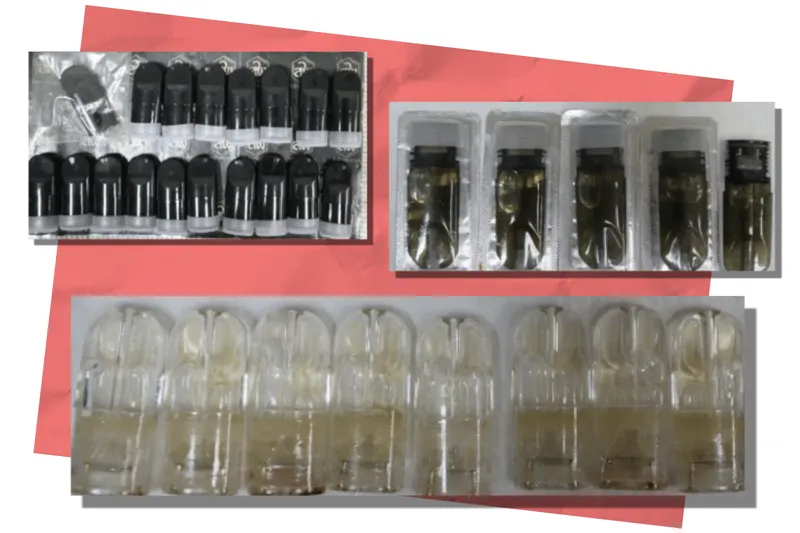
It’s an issue elsewhere too. Recreational use is growing in Australia and Asia. Singapore and Hong Kong have reported a “significant increase” in etomidate vapes. The drug’s also been found in Cambodia, Macao, Indonesia, Malaysia and China. A United Nations Office on Drugs and Crime (UNODC) report suggested etomidate was being “illegally produced rather than diverted from legal sources in the region”.
Basically, all signs point to a growing industry.
So, how common is it?
Good question. Drug checking service Know Your Stuff says it doesn’t yet have any evidence to indicate etomidate is being widely used here. “We aren't seeing these in high numbers,” says general manager Casey Spearin. “We have had one etomidate vape sample this year.” Since they’re limited to what’s brought in for checking this may not reflect actual consumption levels, but the NZ Drugs Trends Survey team reported recently that preliminary data shows use is low. But with etomidate vapes being more widely used overseas, Spearin thinks we should be prepared for “an influx” into New Zealand, by increasing public awareness and education. “Overall, I don't believe that many users are aware of the risks involved with these.”

Emma Gleason
Emma Gleason is a staff writer at The Spinoff and an award-winning fashion journalist. But it’s not just clothes that interest her, you’ll find her exploring tasty cheese, influenza outbreaks and more important things right here. She has experience with some of the country’s leading media outlets as well as the toaster in our kitchen.
Sign up to The Bulletin, delivered straight to your inbox.


