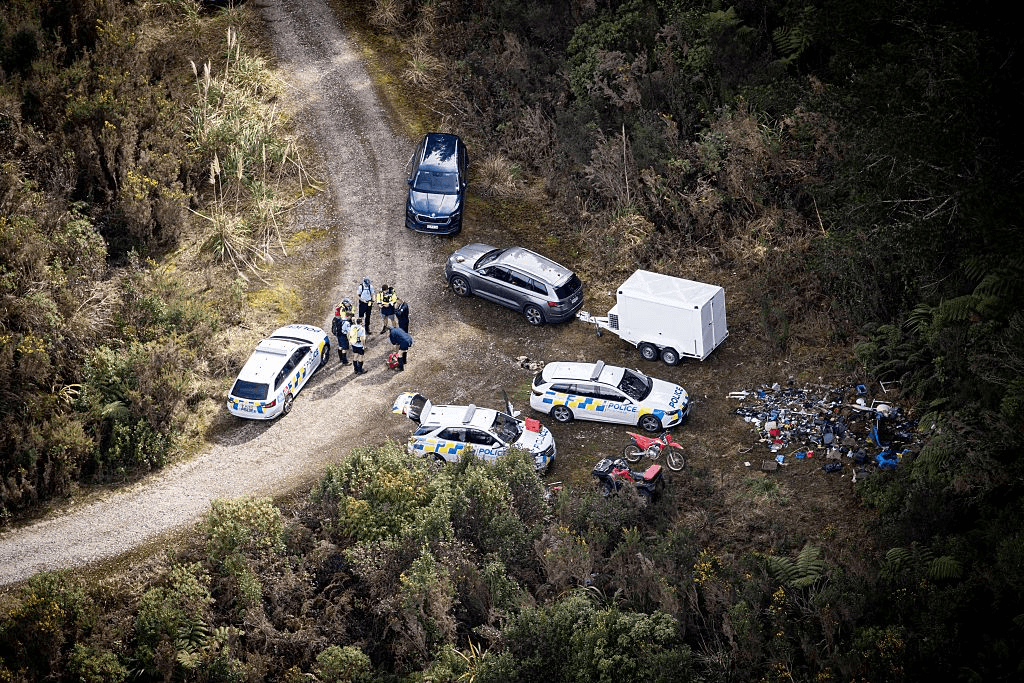
When we tuck our kids into bed at night, we tell them: if you get lost, we’ll find you. In the universe we actually live in, a deranged, abusive and alcoholic father can secret his children away in the bush for four years.
Remember when you were a kid and you thought adults had it all figured out? Your dad was a superhero. The cops were the good guys. There was always someone who would swoop in to save the day.
What happened to the Marokopa children reads as the opposite; a horror story, a disturbing tale of what happens when all of the adults who are meant to be in charge of children’s safety look the other way.
Only it’s worse, because we didn’t make this up. This is child protection in New Zealand.
The impression left at the end of Simon Moore KC’s report, which follows an inquiry into the disappearance of the Phillips children and was released yesterday, is that there are parallel universes.
In one universe, young children taken by their increasingly deranged, abusive and alcoholic father into the depths of the New Zealand bush would be considered to be at great risk of harm. The father’s stated aim to keep the children from their mother would be immediately seen as parental alienation; their time in the dark and squalid bush, removed from their mother, sisters, wider whanau and society at large as deliberate isolation. The children and their needs would be centred, their discovery and return a priority.
When we tuck our kids into bed at night, this is the universe we tell them they live in. If you’re hurt, come here and get a bandaid. If you get lost, we’ll find you.
In the universe we actually live in, a deranged, abusive and alcoholic father can take his children away from everything and everyone they love and secret them away in the bush for four years. He can get away with this for as long as he does because, in this world, no-one thinks the children are in danger. It’s just a camping trip! With their dad! Fun in the bush!
There is evidence he planned to kidnap them, along with exhibiting conspiratorial thinking and bizarre behaviour. The children’s mother and older sisters tried to raise the alarm numerous times, but in this world, they are ignored.
The agency responsible for child protection, Oranga Tamariki, instead tells the Family Court there are no concerns for the children’s welfare. “Completely fine,” social workers say.
They won’t even read an affidavit from the children’s older sister, saying how controlling and abusive her stepfather is.
The agency closes a report of concern while the children are still missing.
As for the police? In the real world, the first time the dad leaves, staging the children’s deaths and hiding them for 18 days in the bush in September 2021, the police, on their return, don’t even bother asking the kids what happened.
Instead, officers show more interest in getting the father’s firearms licence cancelled than they do in rescuing the kids. “He has demonstrated that he is prepared to put the children’s wellbeing at risk by hiding them to deny [the mother] having access to them. His large and regular consumption of alcohol and his irrational thinking are ingredients of a man willing to do anything to keep his children in his care,” police write, in a report to revoke the licence.
Yet in a written report to Oranga Tamariki in the same week, they have: “no immediate concerns for the childrens (sic) safety”.
The police don’t charge the dad with neglect, though they could. He’s only breached a parenting order, they think.
This is child protection in New Zealand.
I urge you to read He Pakirehua Tūmatanui ki te Ngaronga o ngā Tamariki o te whānau Phillip: The Public Inquiry into the Disappearance of the Phillips Children in full. Read every line. Take it to bed with you, if you have to.
It should be compulsory reading, as a stark example of how family violence is minimised, and how damaging and misogynistic narratives – that cast men as heroes and women as complainers and overreactors – act to obscure the truth.
Systemic racism is not addressed in the report – one of its failings – but it is in there, you just have to read between the lines. The report includes the thoughts of a senior Oranga Tamariki social worker, who, when interviewed by the inquiry, questioned whether the “narrative around [the] maternal whānau” may have impacted how the children’s sister was perceived by Oranga Tamariki. The report states: “We cannot but agree.” The children’s mother is Māori; Phillips and his family are Pākeha.
The report is deeply distressing. In its 211 pages, it details every missed opportunity, every time the mother’s family tried to make authorities take her children’s disappearance seriously, every time a member of the public called in to say Phillips had been seen and it wasn’t followed up adequately.
If it hadn’t been for the efforts of the mother’s family, including the children’s sisters who set up a GiveaLittle when the police and Oranga Tamariki weren’t acting, and dedicated journalists, including Mihingarangi Forbes and Annabel Mathers, who kept the matter in the public eye, would the children have been found yet?
Now, the inquiry is done and the government has apologised to the children for failing them, but can we have faith things will change?
The inquiry is thorough, but it’s narrow. The Family Court, a black hole into which countless children fall (we don’t even know how many given access to the court’s goings on is so secretive) is exempt from this deep dive.
In her cabinet paper, also released to the media yesterday, minister for social development and employment Louise Upston frames the Marokopa case as an “exceptional circumstance”. This is a mistake.
Sure, most parents won’t abduct their children and keep them prisoner in the bush. But parents neglect and kill their babies and children in houses all over this country with horrifying frequency.
The last big government inquiry into child abuse, the Poutasi report, was initiated after five-year-old Malachi Subecz was murdered by his caregiver. In 2022, one of its major findings was that government agencies needed to work together and centre children’s voices.
Here we are again. There is nothing exceptional about this.
Until the dynamics of family violence are properly understood, those tasked with making sure our children are safe will continue to fail. We can’t trust them to do their jobs. We can’t trust them to listen to whānau. We can’t trust them to listen to kids.
In fairytales, there’s always a moral. A lesson to learn and enact.
What happens in horror stories?