What actually happens when you build a house?

Debbie van Leeuwen, franchise owner at G.J. Gardner Homes Manukau and East Auckland. (Photo: Babiche Martens)
In partnership with

Skip the do-er upper: what building new involves, and why it could be the smarter way onto the property ladder for first-home buyers.
For many young people, it’s taken as a given that getting onto the property ladder means starting with a bit of a “do-er upper”. The potential years of renovations – insulating, heating, new joinery – are treated as a rite of passage, the price of admission to your first house.
As prices grow, the housing stock that is available for those lucky enough to scrape together a deposit seems to be degrading by the day.
But the answer to all these costly old-home renovations could be to skip them altogether and build new. Debbie van Leeuwen is the franchise owner at G.J. Gardner Homes Manukau and East Auckland and says it’s an unfortunate misconception that building a new home is always harder than buying an existing one.
“As density increases, it creates the opportunity to bring down the price point and get people into their first homes,” she says. That’s not to say that townhouses are the only route – standalone options can be surprisingly affordable for first-home buyers too. Either way, the benefits of building new tend to quickly become apparent.
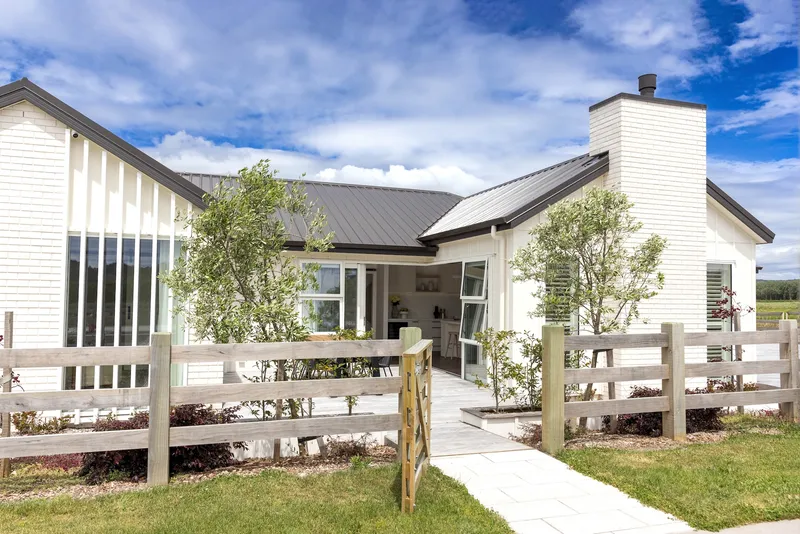
Van Leeuwen says despite their often appealing price tags, the poor quality of many older houses means that the cost of making them warm, dry and safe to live in often means the upfront price is only the tip of a much larger iceberg.
The cost of installing ceiling and underfloor insulation into a standard three-bedroom home in New Zealand is $4,000 on average. Retrofitting double glazing can add an additional $16,000 according to the national average. These costs aren’t reflected in the upfront price of older houses, so it’s a bit of a lose-lose situation: fork out to update and renovate, or pay for it every winter with high heating bills.
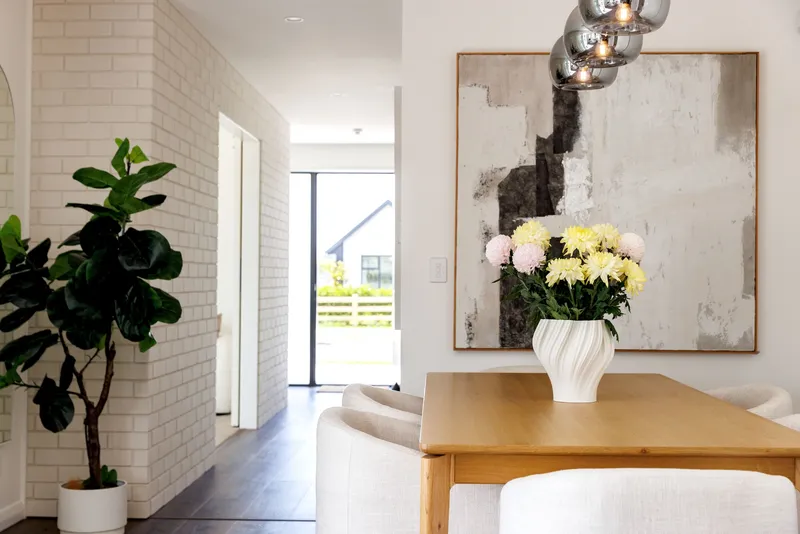
New-build homes don’t have these same issues. With double glazed windows, insulation and higher modern building standards and technologies built in, they can save both money and the stress of major renovations. Plus you get a home that works for you and your lifestyle, not someone else’s.
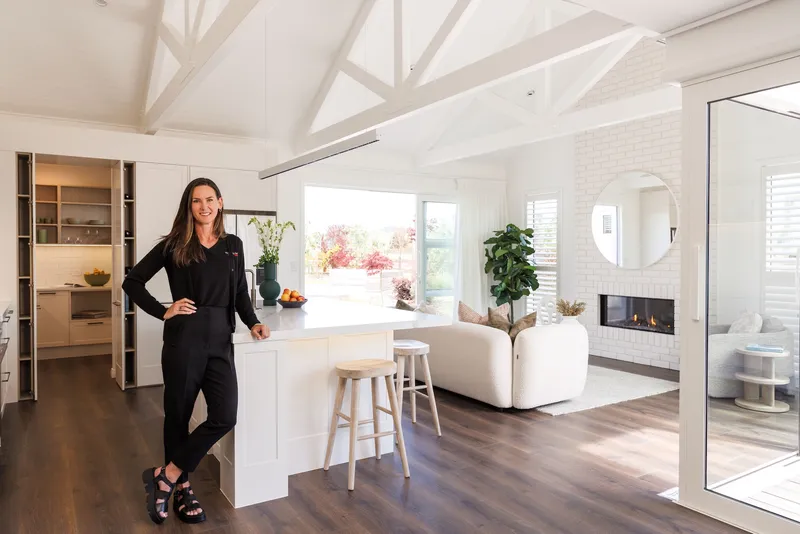
So how does the building process work with G.J. Gardner Homes?
It all starts with a consultation. The team isn’t just concerned with knowing how many bedrooms and bathrooms the customer wants – they want to know about how they will actually use the house. Keeping the process personal is key, says van Leeuwen.
“We've got to understand you and how you like to live. For some people the build might be a short term plan to get onto the property ladder. For others, it might be their long term family home, with room for expanding.”
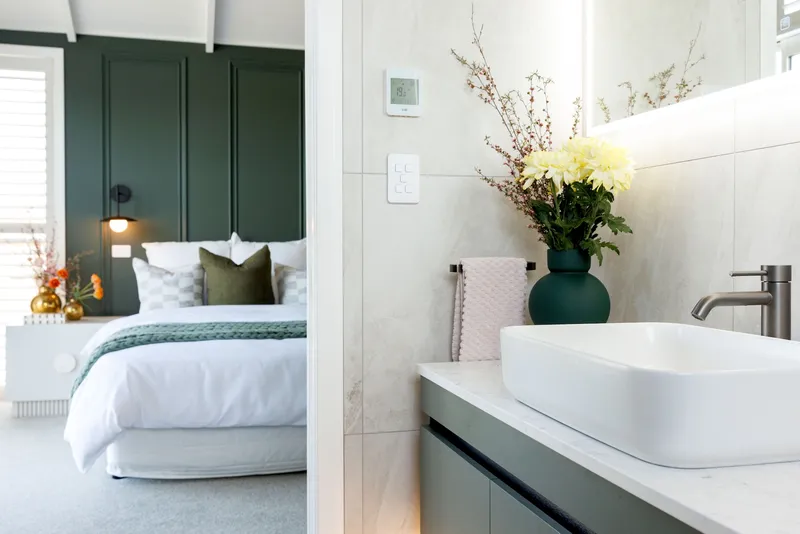
Building used to be a juggling act of contractors, council paperwork and customer needs, all acting independently and often to very different timelines. These days, it doesn’t need to be so complicated.
GJ’s uses teams of specialists – from architects and designers to colour consultants – to ensure each step is handled by experts. Van Leeuwen compares the model to a Formula 1 pit stop. In the 1950s, pit crews were restricted to only four people, so a simple tyre change could take minutes. But in the new era, pit crews are filled with ultra-specialised mechanics, streamlining the process and leaving far less room for mistakes.
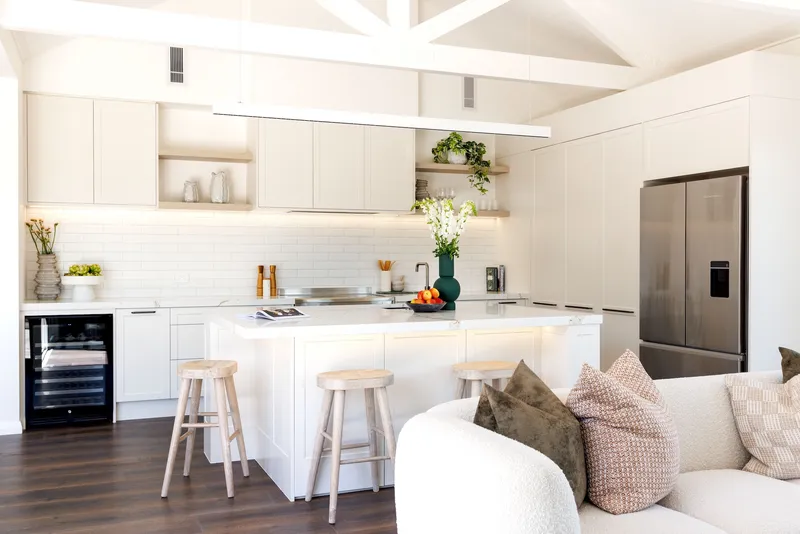
After the initial discussion and locking in a piece of suitable land, the next step is planning and locking in the concept, then signing off on the contract.
With the working drawings all drafted, customers don’t have to drown in paperwork for resource and building consents. GJ’s team of experts knows exactly how to handle those, so the next thing on the customer’s list is a meeting with the colour consultant, where they’ll choose all the finishes and design choices to make their house their own.
“When we start off with construction, you've already chosen your tapware, you know what colour paint you’re getting,” says van Leeuwen. “You've made all those decisions.”
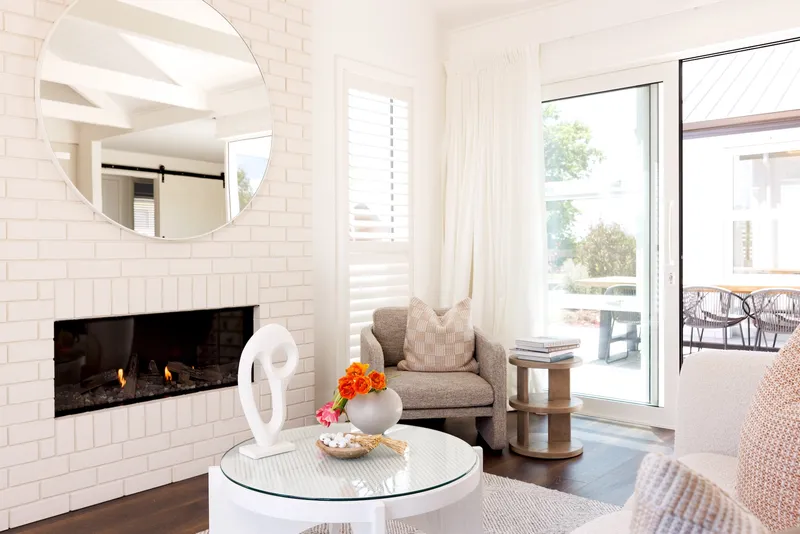
Which leaves buyers to sit back and relax while their new whare goes up.
A specialised GJ computer program schedules expected timelines for each step of the build, so from the outset buyers have a good indication of when they’ll be able to move in. G.J. Gardner head office even monitors how their franchises perform against this agreed date. Van Leeuwen says in some cases this is just six months from conception.
The same goes for the price of construction materials. With the price agreed upon from the outset, customers know what they’re getting into, and GJ aims to stay transparent during the build about any changes outside of their control.
“Instead of you having to drive the journey, we facilitate it and we bring you on the journey,” says van Leeuwen. “Because it's not only about getting a beautiful home at the end, it's also about enjoying the process.”
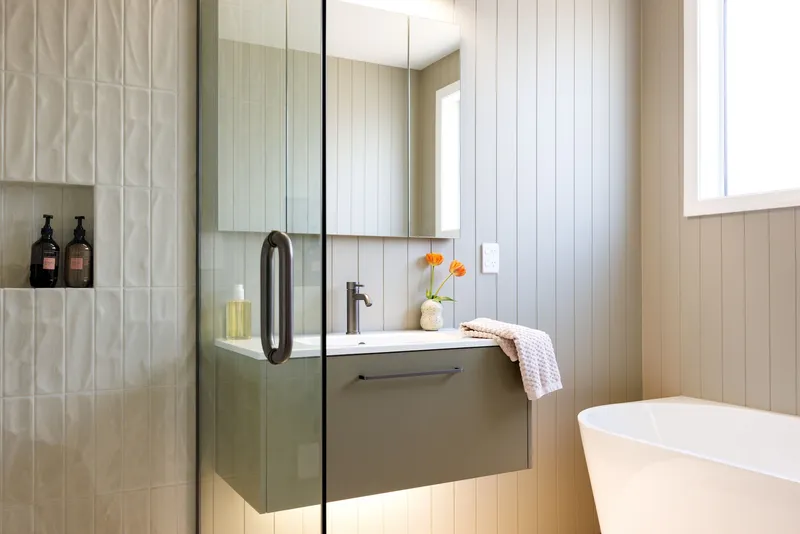
With 35 franchises nationwide, G.J. Gardner has the buying power of a national network to keep costs down while still using trusted local contractors for the construction – the best of both worlds for customers.
Van Leeuwen says franchisees all over the country are proud of the place that they hold in their communities, and of keeping local communities thriving by using local contractors.
“We're active members of our communities,” she says. “It's a responsibility for us to make sure that we are doing the best we can.” G.J. Gardner also gives back to New Zealand charities such as Big Buddy, Ronald McDonald House and Mates in Construction, plus many others in their local communities.
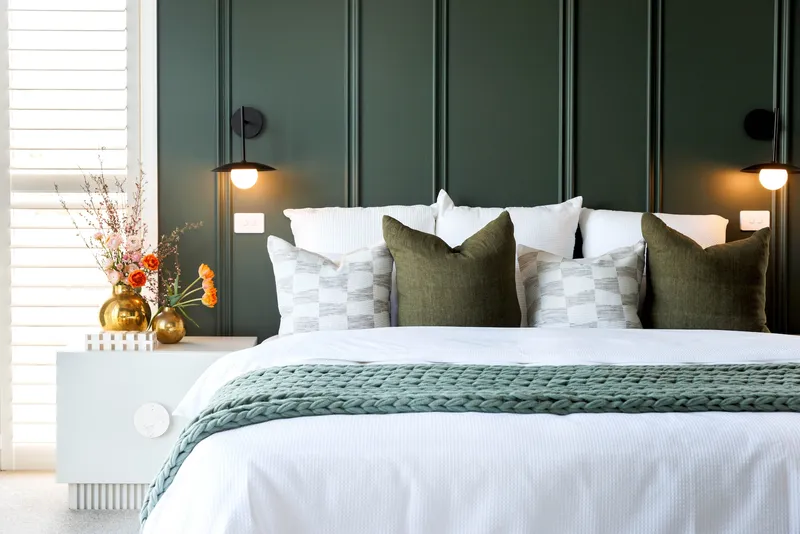
When looking to enter the housing market, buyers visit multiple open homes, mortgage advisors explore mortgage rates across many lenders and the considerations for location, size and price are endless. Maybe it’s time that building new joined the list, so more of us can get into houses that are healthy, fuss-free, and purpose built right from the get-go.
This content was created in paid partnership with G.J. Gardner. If you're thinking of building, talk to the builder more Kiwis trust to build their homes year after year, start your new home journey here.

Alice Webb-Liddall
Alice Webb-Liddall (Ngāti Porou, Ngāti Pikiao) is a freelance writer and a former editor at The Spinoff.


