Sexual assault clinics raise alarm about ‘worrying’ strangulation rates in under-25s

The prevalence of choking in pornography is having real world impacts.
Clinicians around the country are observing a concerning rise in young people being strangled during sexual assault, reports Alex Casey.
Since 2018, strangulation and suffocation has been a criminal offence punishable by up to seven years in prison. Defined as “intentionally or recklessly impeding another person’s normal breathing, blood circulation, or both” through applying pressure to the throat, neck or blocking the nose or mouth, the crime was introduced along with other legislative changes to combat family violence rates. But in more recent years, sexual assault support services have noticed increasing rates of non-fatal strangulation and suffocation (NFSS) in a sexual violence context.
Nationwide data collected by MEDSAC (the national body for clinicians working in sexual assault and non-fatal strangulation and suffocation medicine) shows an increasingly close link between the two harms. From July 1, 2024 to March 31, 2026, one in 10 sexual assault patients were assessed for NFSS at the same time. For those reporting to NFSS services, four in 10 patients disclosed sexual assault occurring at the same time. Around 40% of those patients reporting the co-occurrence of the two were young people under the age of 25.
Moira Underdown is the general manager at the Cambridge Clinic, providing free specialist care for people in Canterbury and the West Coast who have experienced sexual harm. Over the past year, she has seen a “significant shift” in people under the age of 25 disclosing sexual assault and NFSS at the same time. From January to March 2025, they had one report. Over the same period in 2026, they have had seven. “There’s a distinct trend upwards,” she says. “And most of these are within the context of a relationship, not a stranger that’s dragged them off the streets.”

Even without data, comparable services across the country are noting the same trend anecdotally. Wāhi Mārie in Wellington reports a “steady” number of NFSS assessments within sexual assault cases over the past 12 months, with clinical lead Dr Susanna Kent noting an increase in reported strangulations among sexual assault cases over the past ten years. Dr Kate Taylor, lead clinician for Waikato sexual assault and non-fatal strangulation services, says the crossover is “absolutely” something they are seeing more of on the frontline.
“It is pretty clear this has been driven by the increasing prevalence of strangulation in pornography and on social media,” says Taylor. “Without anyone having open conversations about this, the kids are filling the void. They’re all carrying phones in their back pocket, they’ve got 24/7 access to porn, and the algorithms are pulling them into the more disturbing stuff.” Having worked in high school clinics, she has seen the social pressure firsthand. “We hear it from young people all the time: the worst thing you can be called now is vanilla.”
Underdown has also seen how the influence of online spaces such as the manosphere have changed the conversation around consent. “Checking in for consent at various points isn’t portrayed as both people’s responsibility,” she says. “People will come in and say they started out with sex being consented, but then it went somewhere else and it was just assumed they were up for it.” And while some perpetrators may insist the practice enhances the sexual experience, Taylor says the gendered reporting rates tell a very different story.
“If that were true, then the people doing the choking would not be predominantly male, and the people receiving the choking would not be predominantly female,” she says. “It is all about power and control.”
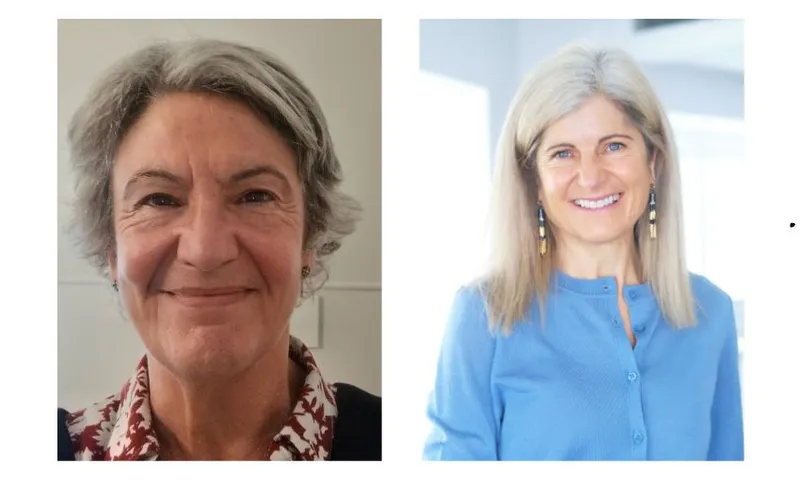
Both Underdown and Taylor make it clear that the majority of instances they are seeing do not involve two fully consenting, fully informed parties. In fact, The Cambridge Clinic has met with local members of the BDSM community to get a better understanding around their practices and protocols. “We are not the moral police here,” says Underdown. “For those people who think this is something they want to explore, or has become common practice, we’d give them our advice, but with a reminder that anything that restricts oxygen to the brain can affect your physical and mental health.”
It is these health impacts presenting in survivors of NFSS, especially young people, that are raising alarm bells. “As with any restriction of blood flow and oxygen to the head, it can increase mental health problems and you might experience fatigue, headaches, and find that your executive functioning practice isn’t as good as it used to be,” says Underdown. “The worry for the younger generation is that it risks their ability to make good decisions with things like drugs, alcohol and mental health, and that could impact the trajectory of their lives in the future.”
Taylor is equally concerned. “I’m so worried about what this means for our young people, because we’ve potentially got a massive health crisis coming down the track.” She recalls seeing one young patient who experienced severe memory loss from repeated non-consensual strangulation. “She couldn’t remember where her car keys were, so she couldn’t go out, and even when she did find her car keys, she couldn’t remember where she was going,” she says. “Her life shrunk so much, and she became very isolated, depressed and anxious.”
With the numbers “not heading in a flash direction” and likely under-representative given the nature of sexual assault reporting, Underdown says that raising awareness around strangulation during sexual harm is an urgent issue. “It’s a huge, huge problem that we’re only seeing a very thin end of the wedge of,” she says. “Starting the conversation is a huge hurdle, but we’ve had that huge hurdle before with talking about family violence. We’ve had that huge hurdle with talking about suicide. We’ve had that huge hurdle with talking about assisted dying.
“We have a track record of tackling some of the big shit.”
Where to get help:
Whangarei Adults & Adolescents
Tautoko Mai Sexual Harm Support
Taranaki Sexual Support Services
Manawatu-Whanganui Sexual Support Services

Alex Casey
Alex Casey is a senior writer at The Spinoff with over a decade of experience writing about popular culture and social issues in Aotearoa. She lives in Ōtautahi and likes watching reality TV and walking the dog, occasionally at the same time.


