Three big unanswered questions about what the Iran peace deal means for New Zealand

The US and Iran announced a peace deal on Sunday.
New Zealanders responded to the prospect of Peace In Our Times with a resounding chorus of: ‘So when will petrol be cheaper?’
On Monday morning New Zealand time, Pakistani Prime Minister Shehbaz Sharif announced that the United States and Iran had reached a peace deal. Both sides declared an end to military operations in the Iran conflict, which has already cost more than 7000 lives, destroyed infrastructure across the region and thrown the world into further economic turmoil. A formal signing ceremony is scheduled to take place in Switzerland on Friday.
The market reacted immediately with plunging crude oil prices and rising stock futures. New Zealanders responded to the prospect of Peace In Our Times with a resounding chorus of: “So when will petrol be cheaper?” New Zealand is thousands of kilometres from Iran, but our isolation and near-total reliance on Gulf oil refined in Asia have made us highly exposed to the conflict.
Despite yesterday’s news, some key questions remain.
Will this peace deal actually stand?
Despite the celebrations from politicians on both sides of the conflict, the war is not yet over. The deal, as reported, extends the current ceasefire for another 60 days and leaves many of the most contentious issues unresolved.
The US still wants Iran to stop building nuclear weapons, while Iran wants the US to end the sanctions regime and restore access to billions in frozen overseas assets. It is the same impasse the two countries have circled for decades. The peace deal doesn’t appear to directly address either of these, so it remains a live issue that could flare up again at any point.
There’s also a third party who wasn’t involved in the deal but could throw a spanner into the works. Israel, the US’s strongest ally in the Middle East, has been increasingly aggressive towards its neighbours, particularly with a series of missile attacks hitting Lebanon, Syria and Yemen as well as Iran.
Hours before the deal was closed, Israel struck a Hezbollah command centre in Beirut. Hezbollah is a key Iranian ally. US president Donald Trump reportedly told Israeli prime minister Benjamin Netanyahu he had “no fucking judgment” and urged him to stop. Trump said the strike “should not have happened, particularly on a special day when we are so close to a peace deal.”
Like so many ceasefires before it, there is no way of guaranteeing that this one will last. But assuming it does, New Zealand should breathe a sigh of relief.
What will it mean for petrol prices in the immediate future?
It takes around three to four weeks for a barrel of oil to travel from a Gulf field to an Asian refinery and then across the Pacific to Aotearoa. But economists are already predicting price movement well before the first new barrel arrives.
Simplicity economist Shamubeel Equab says he expects unleaded 91 petrol to be “below $3 for the foreseeable future”. Westpac chief economist Kelly Eckhold had a similar prediction, telling RNZ that 91 unleaded could fall to around $2.80 or $2.90 a litre.
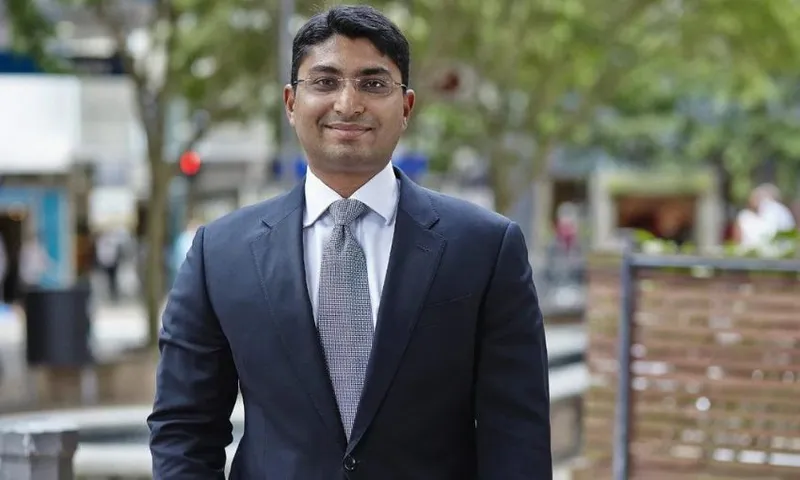
Cameron Bagrie of Bagrie Economics said the deal was worth celebrating, but acknowledged there would be an “almighty lag” before oil started flowing through to New Zealand again. “You can’t just magically conjure up a whole bunch of oil,” he said. Oil fields around the Gulf have been largely inactive throughout the war and many gas facilities have been damaged or shut down across the region.
For now, New Zealand will still keep burning through its existing reserves. Luckily, prices at the pump may move quicker than the oil tankers themselves. “We set retail prices based on replacement cost,” a Z Energy spokesperson said. “This means prices reflect what it will cost to buy the next shipment of fuel from overseas, rather than the fuel that is already sitting in tanks today. This means prices typically respond to sustained changes in global markets over time, rather than to short-term movements in oil prices.”
The fall in crude oil prices won’t directly translate to New Zealander’s pockets, but it means cheaper raw resources for refining companies who then sell to New Zealand suppliers, who then sell to the consumer.
What will it mean for the economy in the long term?
The New Zealand economy is much bigger than petrol prices. There’s also house prices. And a few other bits tacked on, like agriculture.
Besides immediate relief at the fuel pump, the peace deal – again assuming it holds – is good news for the wider economy, though economists warn it could be a slow recovery and a tricky inflationary environment.
The Strait of Hormuz carries much more than oil and LNG. It is also a critical conduit for nitrogen and urea-based fertilisers. New Zealand’s urea supply is heavily concentrated in the Gulf, leaving local farmers badly exposed. Internationally, the story could be even worse. Máximo Torero of the UN’s Food and Agriculture Organisation warned that the fertiliser shortage could cause cascading shocks due to lower yields this growing season, which means higher food prices months later.
For New Zealand’s frustratingly sticky inflation problem, Bagrie says this peace deal will be no panacea. “There’s still a fair bit of pressure in the system, so central banks need to be on inflation watch,” Bagrie said. That could mean interest rates staying higher for longer and depressing the housing market even further.
This could put New Zealand in a difficult position. Lower petrol prices would help with the frustratingly sticky domestic inflation in the short term. But the cascading effects of more expensive fertiliser, food and industrial processes will continue to show up in the data, putting yet another handbrake on the delicate green shoots of economic recovery.

Joel MacManus
Joel MacManus is a senior writer for The Spinoff. He previously worked at RNZ and Stuff, and began his career at Critic Te Ārohi. His writing explores the political, economic and cultural systems that underpin modern New Zealand. He won the 2025 Voyager Media Award for Best Columnist, Opinion or Critique.


