Barbers aren’t about to be replaced by AI. So is this 2026’s cleverest career choice?

Hair is a hot topic, but is it a good line of work? (Image: Tina Tiller)
Hair never stops growing, and robots can’t do fades – yet. So is being a barber a solid career choice in an unstable world? We catch up with some to ask how it’s going.
It’s 10am and there’s a queue out front of Mr Barber in downtown Auckland. It’s a daily sight. They’re there for the free haircuts, all done by trainee barbers during their 12-week course. Clippers and scissors are in their hands on day one. It’s “hardcore”, explains co-founder Jacqui Spence, and a good way to learn. Mr Barber trains around 70 each year.
Cutting hair is a billion-dollar industry. New Zealand has 5,000 barber shops and hair salons – most of them small businesses – and barbering has seen distinct momentum, with a recent regulatory review noting the category has seen “significant growth” over the past 20 years. What started with hipster barbershops in the early 2000s has snowballed thanks to social media, celebrities and influencers. The men’s hair care market is growing around the world amid a booming male grooming industry. In the US 63% of men believe taking care of their appearance is integral to their wellbeing. Appearance is a higher priority for Gen Z than it is for millennials (we’ve all heard of looksmaxxing by now).
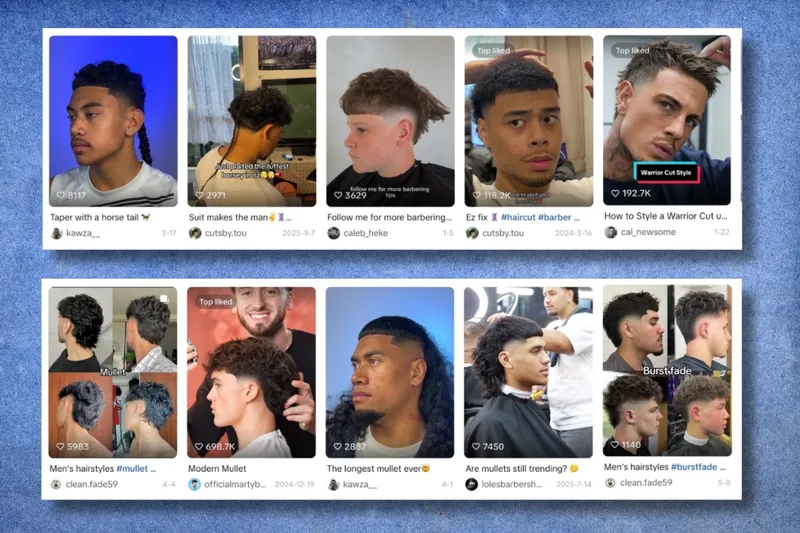
It’s an appealing employment pathway for young people who find school or study isn’t for them. Although the vast majority of Mr Barber students are under 25, like 70% of last year’s intake, some are in their 30s or 40s and changing careers (hairdressing and barbering have both been assessed as low risk for replacement by AI).
Donna, 42, left behind a corporate career and has nearly finished her training course. “It’s been awesome.” She’s looking for a work placement but many barber shops want two years’ experience. She sometimes worries about her age and gender – though it’s traditionally been a male domain, around 30% of the students at Mr Barber are women. Donna’s learning the trade to support her own business, making hairpieces for men experiencing male pattern baldness. “For a long, long time in my career I was just chasing money because I was a single mum, but my kids are older now and I’ve always wanted to have my own business,” she explains. “But it’s quite scary to give up that security and come here.”
The average income for hairdressers and barbers is $44,000, although it can go as high as $100,000. Barber shops usually operate like tattoo parlours, with employees renting a station and paying a percentage of their income to the shop, although some are paid an hourly rate. Do people understand the skill involved in cutting hair? “Absolutely not,” says Donna. “I think a lot of people take that for granted.”
Another trainee, Ben, is nearby, cutting a client’s hair. He’s 30 and used to work in construction, which took a physical toll on him. He’s learning barbering so he can help his mother in her beauty salon.
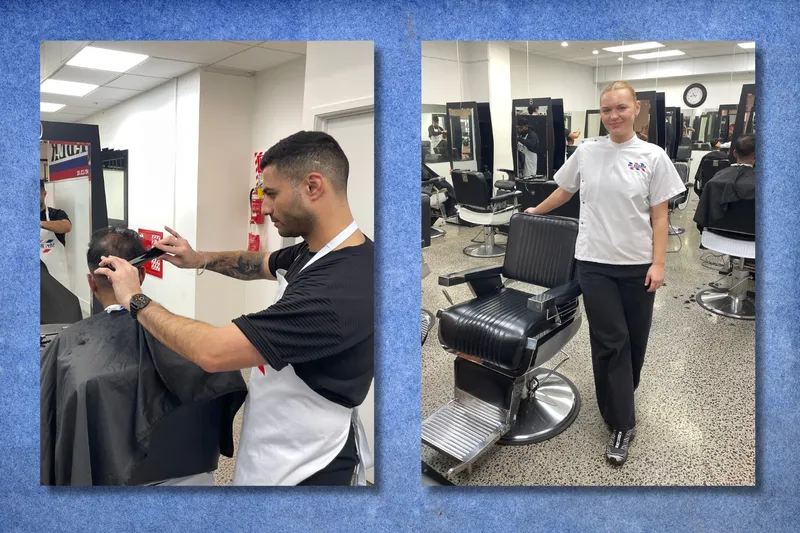
After training at Mr Barber, which is NZQA-registered and the only dedicated barbering school in Auckland, students have to do a further 780 hours at a commercial barber shop before they’re assessed and can receive their level four qualification. Other schools, like Servilles Academy and most polytechs, also offer courses for the same qualification, the level four New Zealand Certificate in Commercial Barbering. According to NZQA, 312 people received the qualification in 2025. Wherever they study, trainee barbers also have to learn to trim facial hair and do wet shaves. Hairdressing qualifications are a little different, and include skills like colouring, future hair treatment and home hair care. Under New Zealand law, anyone can cut hair and certification isn’t required. The 2025 Hairdressing and Barbering Industry Regulatory Review found only 60% of barbers and hairdressers hold qualifications (although lacking them wasn’t indicative of reduced quality or safety).
Social media and public figures have contributed to the destigmatisation of appearance regimens for men and driven an increase in trends. These can be hard to keep up with. Lauren, 31, who started training last year, spends a lot of time staying on top of the latest haircuts. “Barbering is evolving so much, even in the time that I’ve started,” she says. Lauren left a corporate job in Sydney to come home and learn the trade and now works at a couple of different barbershops – Mr Barber’s commercial shop and Latenights the Barbershop in Mount Eden. There she often gets asked for a warrior cut, but hair styles are different for every client. “They trust you more when you get to know them.” She loves the creativity involved in the job and “helping people”, and eventually wants to have her own business. Barbering can be a part-time gig and it’s common for barbers to have other jobs as well (lots of firefighters also cut hair on the side, she reckons), but in a competitive industry, “you need to get out there and push yourself”.
Getting work isn’t always easy for newly qualified barbers, but staffing also presents a challenge for the local industry, with some businesses struggling to find and retain qualified barbers (other countries, including the US, UK and Georgia, have had similar issues).
Ziad joined his brother’s business, Top Barber on Symonds Street, three years ago when he was 17. He started cutting hair at home during Covid, learning the basics from YouTube. After dropping out of school at 16 he decided to study barbering and got qualified. Learning the trade properly takes you at least a year, he explains, although he likens it more to an art. Young guys come to Ziad for fades and more experimental cuts, but most of their customers are local office workers.The best part of his job is getting to know people. “I’ve got clients everywhere, all over town,” he says. “People recognise you in the street. It’s nice.”
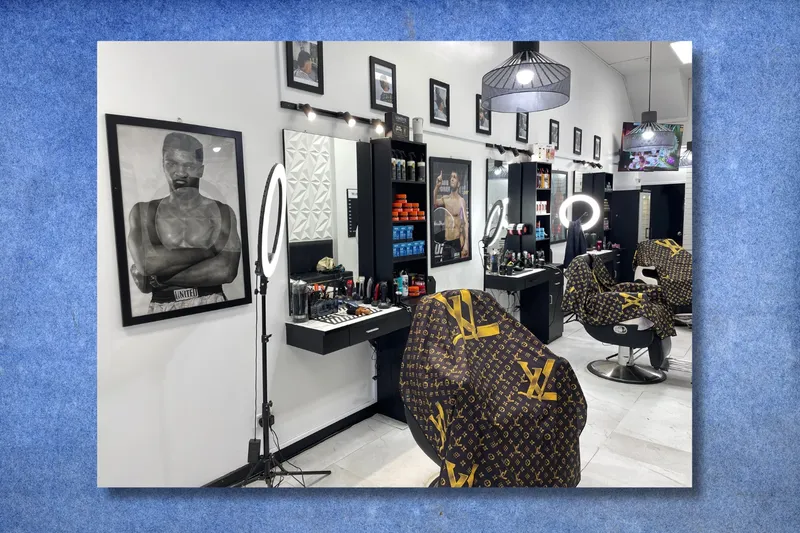
But it’s not cruisy. Standing on your feet all day can take a toll and back pain is a common concern. And then there are the challenges of business; like other discretionary industries – although you could argue haircuts are a necessity – barbers have been buffeted by reduced consumer spending. “People are getting haircuts once a month instead of twice,” explains Ziad. That kind of change in behaviour can have a major impact on a high-traffic business like a barber shop.
Consumer confidence was down again in June, reaching levels not seen since 2023. (Stats released before the US-Iran peace agreement.) Of people surveyed by Westpac, 84% had changed their spending and 43% were cutting back on non-essentials. This has put pressure on a sector, recently described as stagnant by Hair & Barber New Zealand, which represents 10% of the industry. Saving it from decline are younger customers and digitally driven demand. And things might be looking up, finally.
The industry is changing too. That 2025 government report found a sector in the midst of evolution, with many businesses moving away from brick-and-mortar salons and barber shops, instead operating out of homes and mobile setups, which benefit from lower overheads.
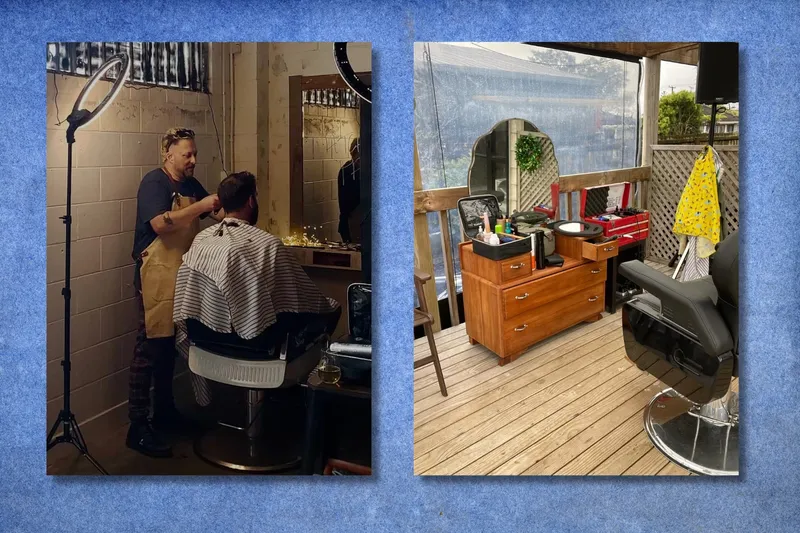
Rodney Fisher, another Auckland barber, works from multiple locations and has a portable set-up, rather than being tied to a traditional shop. “That flexibility means I can meet people where they’re at, keep overheads manageable, and create an experience that suits a wider range of clients. It also lets me balance barbering with my other creative and community work.” (He’s a musician – you might know him from Goodshirt.) Rodney’s also seen business get tighter than it was a few years ago. “People are being more careful with spending, but haircuts are still one of those things that help people feel good about themselves. The clients who value a cut and the connection keep coming back,” he says. “For me it’s always been about creativity and people. Barbering gives me a chance to connect with people from all walks of life, hear their stories, and help them leave feeling better than when they arrived.”

Emma Gleason
Emma Gleason is a staff writer at The Spinoff and an award-winning fashion journalist. But it’s not just clothes that interest her, you’ll find her exploring tasty cheese, influenza outbreaks and more important things right here. She has experience with some of the country’s leading media outlets as well as the toaster in our kitchen.


