In recent years, US military veterans have been remarkably effective at destigmatising psychedelic-assisted therapy for brain injuries. Here in New Zealand, high-profile sportspeople could play a similar role, writes Zac Thomas.
Things get awkward quickly as I try to explain the “All Blacks” to my American classmates. My mouth is moving at a rapid clip in a desperate attempt to avoid social self-destruction when one of them, a former commander in the US military, saves me: “I know who the All Blacks are,” she says. “We had to read the book Legacy about their tactics and team culture for our professional development.”
I am saved.
Whatever your feelings about the US military, they, like the All Blacks in New Zealand, hold a revered place in American society. Polls consistently place them as the most trusted public institution in the country. Less appreciated is how it has historically shaped domestic norms within the country, “The military is often a bellwether for societal change,” my same classmate added. This can be positive – the military was instrumental in promoting desegregation throughout the 1940s and 1950s. But it can also be negative – transgender service members have been forced to leave the military due to new policies implemented by the Trump administration.

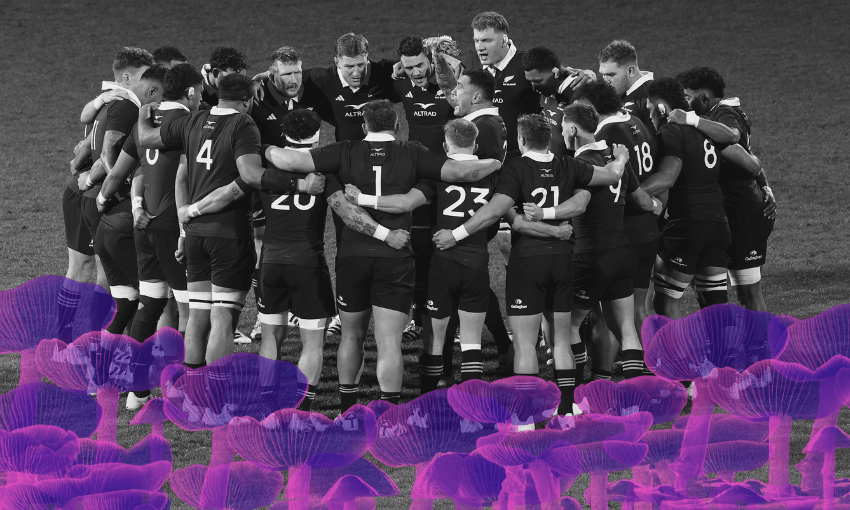
In recent years, US military veterans have been remarkably effective at destigmatising psychedelic-assisted therapy for brain injuries. There is a similar opportunity for ex-All Blacks or other high-profile sportspeople to change the hearts and minds of New Zealanders about “magic mushrooms”.
Veterans have been particularly effective messengers for traditionally conservative audiences, with former Texas governor Rick Perry and high-profile Republican congressman Dan Crenshaw publicly backing psychedelic initiatives. Thanks to these efforts, momentum and public opinion is now firmly behind psychedelics in the US. Health secretary Robert F Kennedy Jr has told lawmakers that doctors will be prescribing the drugs soon, with prediction market Kalshi putting the odds of the Federal Drug Administration, the US equivalent of Medsafe, approving a psychedelic treatment at 40% before 2027.
If US policy on psychedelics is lagging behind the culture, the opposite is true in New Zealand. One of 2025’s most surprising moves was the government granting approval for a single psychiatrist to prescribe psilocybin for treatment-resistant depression. It’s unclear culturally how much support – or understanding – there is of this decision. Fifty years of war-on-drugs scaremongering is hard to undo, especially when many of us went through years of sitting in a dim caravan listening to Harold the Giraffe warn us that magic mushrooms would ruin our lives.
The continued legalisation of psilocybin is tenuous without widespread support. It’s already difficult for medical practitioners who wish to prescribe the drug, with no approved products in New Zealand. It’s not hard to imagine a socially conservative National leader with more power than Christopher Luxon reversing the change. The failure of the 2020 cannabis referendum was a stark reminder: this country is more conservative than our world image lets on.
There needs to be a cultural circuit-breaker to mobilise support and awareness for psychedelic treatments. It’s often said that being the Australian cricket captain is the second-most important job in the country after the prime minister. The same could easily apply to the captain of the All Blacks. Despite recent reports of decline, no other team has a comparable national profile or cultural significance. Football may be the most played sport in the country, but no prime minister is desperate for an awkward handshake with the captain.
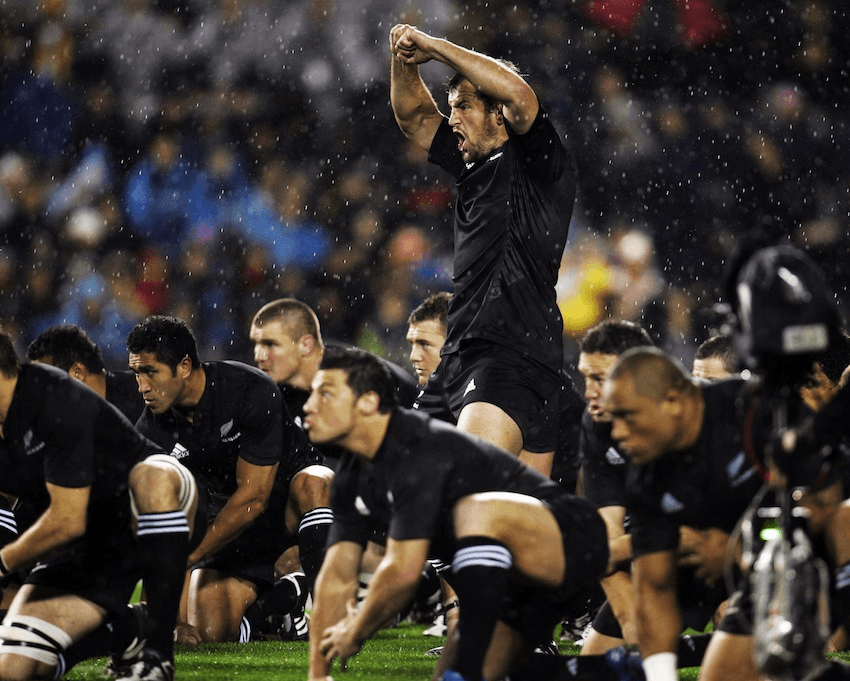
Ex-All Blacks have a history of creating societal change. John Kirwan transformed generations of New Zealanders’ opinions about mental health. Mental health treatments existed, but he made it acceptable for people to access them, saving lives in the process. Partially as a result of his support, between 2007 and 2023, the percentage of the population accessing mental health services increased by over 70%. Carl Hayman’s experience with a traumatic brain injury and public advocacy about the dangers of rugby helped change the rules of the game and improved player welfare.
Rugby players are also one of the groups who could most benefit from the new treatment. Too many players have suffered, sometimes with tragic consequences. Seeing one of their own speak out is likely to be particularly compelling, similar to how NFL players like Jordan Poyer have begun to normalise psychedelics within American football communities.
We have a brand new tool for mental health that isn’t being properly used. Archaic stereotypes mean we risk thousands of people not seeking the treatment they need. To break the taboo, we need a former All Black to publicly endorse the therapy or share their experience undergoing it. By following the example of US military veterans, they could be this generation’s John Kirwan.