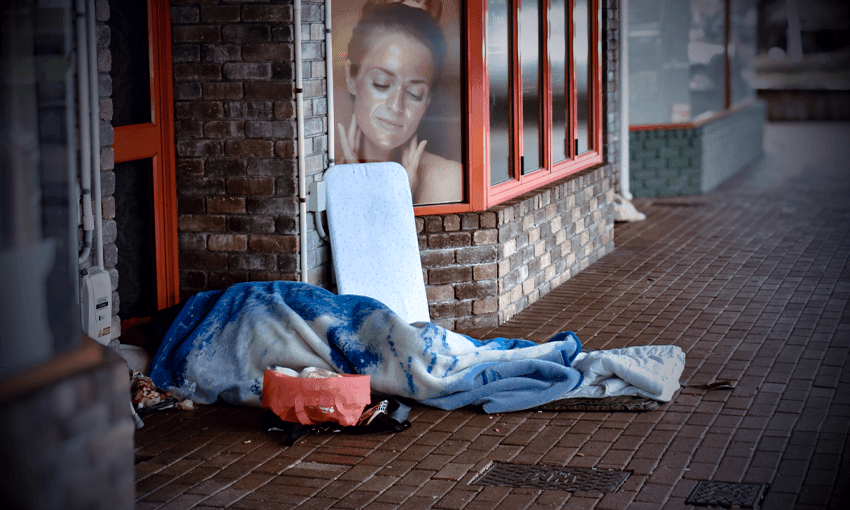

A new report finds that over 33,000 children and young people in New Zealand are growing up in severe housing deprivation, Henry Oliver writes in today’s excerpt from The Bulletin.
To receive The Bulletin in full each weekday, sign up here.
The hidden homeless
We have, I think we can all sadly agree, a homelessness problem in this country. The main divide, it seems, is over what the problem actually is. For some, the problem is unhoused people making them feel uncomfortable or unsafe, or discouraging tourists from spending at high-end stores. For others, it’s inequity of the societal failures that let too many fall through the cracks – uncaught by the so-called safety net of the welfare state. For still others, it’s a problem for them directly: they rough-sleep, couch-surf, or cycle through temporary accommodation after temporary accommodation. And perhaps most tragically, it’s a problem for our nation’s children.
Today, Amelia Wade of The Post (paywalled) published a report on what she calls the “hidden scale of child homelessness in Aotearoa”. Based on a newly released study by analytics firm Taylor Fry drawing on data from the 2023 Census, and commissioned by The Coalition to End Women’s Homelessness, Wade reports that “more than 33,000 children and young people in Aotearoa are growing up in severe housing deprivation, with new research showing they are significantly more likely to miss school, suffer preventable illness and come into contact with the justice system.”
The report found 22,788 children were in uninhabitable housing; 7,767 were living in someone else’s home; 1,974 were in temporary accommodation and 663 had no shelter. These children were 2.9 times more likely to experience abuse; 1.4 times more likely to be absent from school; 2.3 times more likely to have been suspended in the last five years; 3.2 times more likely to have been placed with Oranga Tamariki.
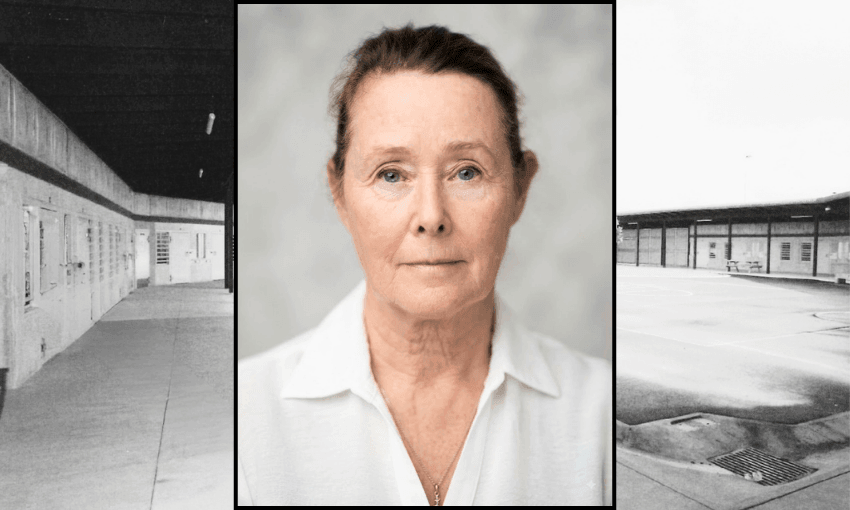
“These are babies, toddlers, and young people who are carrying the weight of housing insecurity at a critical stage of their development,” says Dr Jo Cribb, Chair of Wellington Homeless Women’s Trust Te Whare Nukunoa, “with consequences that can shape the rest of their lives.”
And things are getting worse, not better
According to the Child Poverty Report 2026, released with this year’s budget, New Zealand is way off meeting its 2028 targets. RNZ’s Morning Report noted that between 2022 and 2025, the number of children in ‘material hardship’ in New Zealand rose by nearly 50,000, reaching almost 170,000. The report shows that 14.3% of children are living in material hardship, way off track for the government to meet its 2028 target of reducing material hardship to just 6%.
Material hardship means children go without essential items such as nutritious food, adequate footwear, clothing, and heating. (See today’s story by Michael Morrah in the NZ Herald about a family living in a converted garage for $480 a week in rent, getting through cold winter nights by sleeping huddled together on the living room floor for an example of how too many families are living.)
“The government’s policies over this term have just gradually eaten away at the edges of things that can help children to thrive and this is a very bad outcome for our country,” retired Starship Hospital paediatrician Dr Innes Asher told Morning Report.
Economic optimism
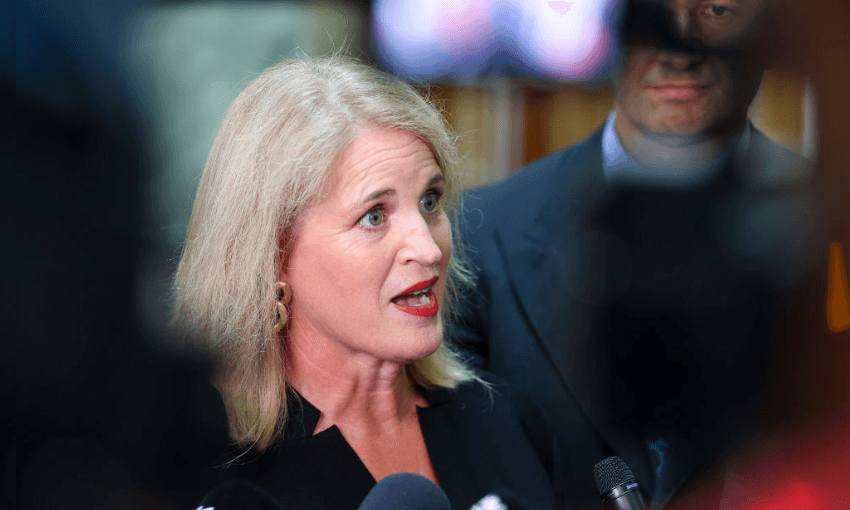
Louise Upston, the minister in charge of reducing child poverty, told RNZ in May the budget would help reduce child poverty by changing the circumstances that trap people in poverty and addresses long-term drivers like living in a benefit-dependent home. “That’s why the Budget 2026 welfare package is designed to help support parents on a benefit into work.”
While the government has argued that its emphasis on improving the general economy will help more than specific policies aimed at lifting children out of poverty – that a rising tide will lift all boats, that prosperity will trickle down to the most in need – Asher disagrees. “There’s a myth that improving the economy will help but that never has, we’ve had high poverty rates even at times of very good, strong economy.”