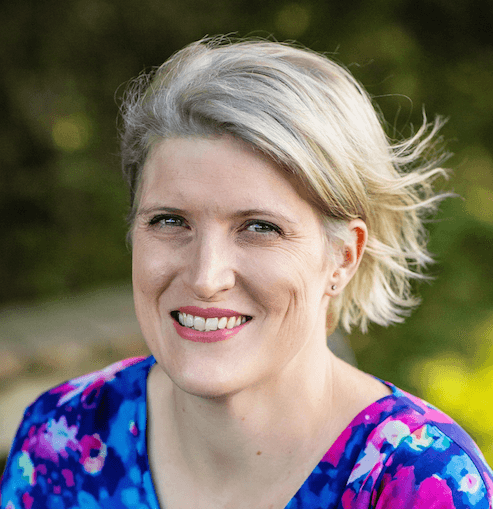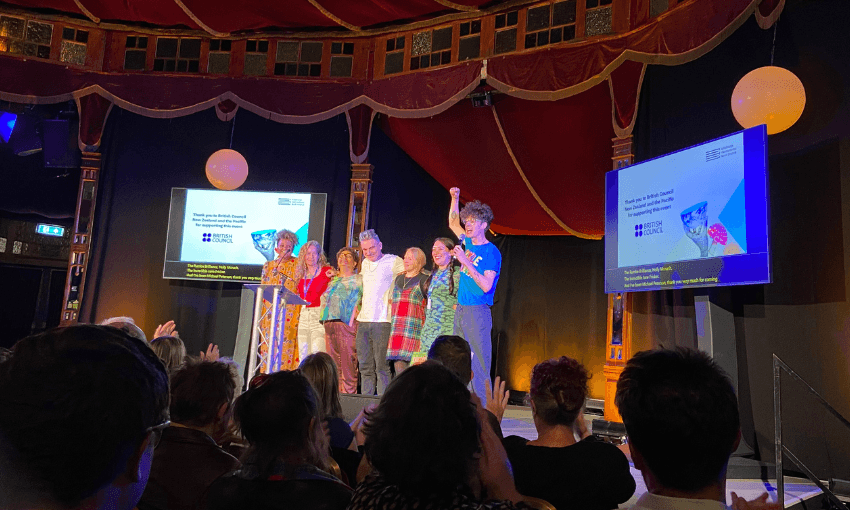


Claire Mabey reviews From Aotearoa to Alba: A Literary Exchange, an event that brought together some of New Zealand and Scotland’s finest wordsmiths at the Edinburgh International Book Festival.
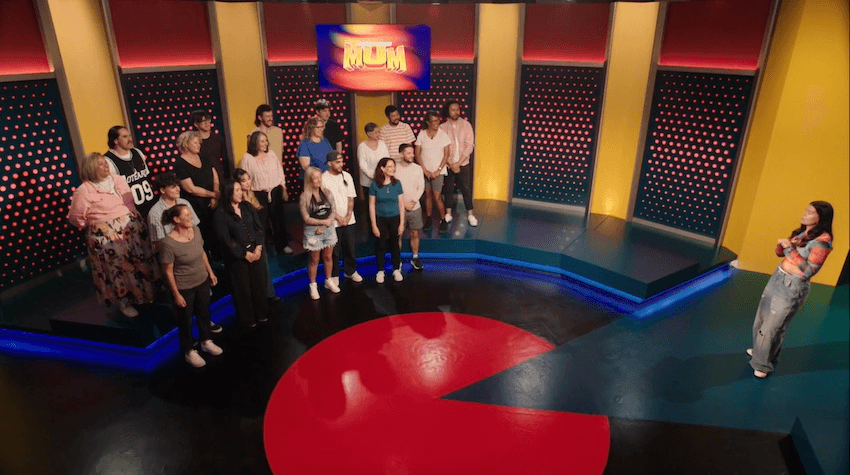
As I write this it’s 10pm Thursday, Edinburgh time, and 9am Friday, National Poetry Day, at home. By the time you’ll read this it’ll be the weekend and this night/day will be over. I’m hoping this review will bridge the space that the event itself sought to straddle: “As the aeroplane flies, Scotland and New Zealand are separated by 11,113.48 miles. Yet in a cultural and literary sense, the distance isn’t quite so great.” And that is the precise sensation I have after leaving the Edinburgh International Book Festival’s spiegeltent full of people whooping and cheering and audibly sighing with satisfaction after six moving, hilarious and buoying performances weaving Aotearoa with Alba.
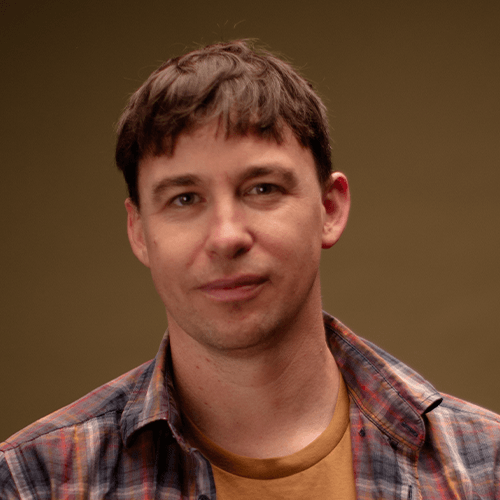
The conjurer of this coming together is Edinburgh’s Makar – sort of like a poet laureate but specific to Edinburgh – Michael Pedersen, who is a joyous, energetic and edifying presence. On stage, Pedersen explained how he first met Dominic Hoey at the Word Christchurch festival where they were paired to perform in a bar in Lyttelton, and became closer again at Verb Wellington’s festival, which was followed by a nationwide tour. This is what I love about book festivals: how they facilitate these passageways between writers. Pedersen explained how this night was to forge a deeper kinship between our two countries before he introduced Becky Manawatu to the stage with the admiration that one of our finest novelists – and, it turns out, poets – deserves.
Manawatu read the poem at the beginning of Kataraina – the moving, swirling sequel to Auē. “You can just run, baby” brought Aotearoa into the room. Manawatu’s readings from the opening and near end of Kataraina were mesmerising: the extraordinary poetry of her prose, and the crisp, real dialogue that sits inside of it so powerfully. Her set ended on an unpublished poem that Manawatu read from a notebook; kind of thrilling to glimpse her hand writing and realise these are fresh thoughts. Images of children making mud pies by pouring water into holes in the whenua “like it was a vessel, like it was their cauldron” while adults watched and chewed on the losses, the “disgraces”, had the entire room suspended in Manawatu’s world.

Pedersen – with his signature front-floppy hair and effortless word-smithery spiked with Scots – next welcomed the beloved Scottish writer Jackie Kay, who received audible and palpable warmth from the audience. Kay read poems that celebrated friendships between women: sisterhoods that last lifetimes. She talked about her connection with New Zealand – how her parents met in Christchurch and got married there in 1955 before they moved home again and adopted her. The poem Kay read remembering her parents’ home – their songs and friendships, rituals all centred on their round table that she returns to alone – was both joyous and tremendous with loss. Kay’s final poem is full of Scots and is beautiful to listen too – the deep “ooo” sounds at once familiar and delightfully new to these ears.
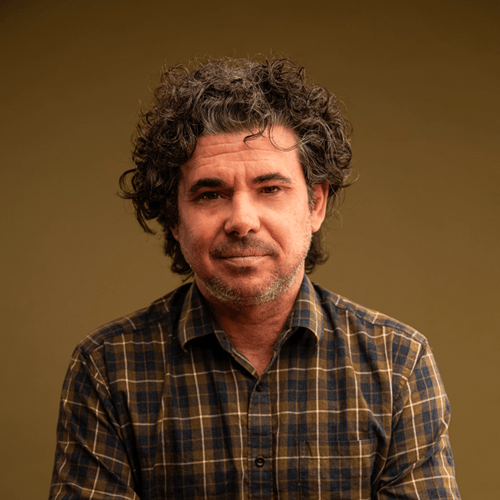
Dominic Hoey’s set, his first ever in Scotland, was an electrifying outpouring of comedy and satire spiked with jet-lagged hand swipes over his sleep-deprived face. Hoey is a brilliant performer, and this Scottish audience responded to the mad-tired energy with belly laughs and a heightened electricity. Hoey took us to New Zealand of the early 2000s where he wrestled with Winz while writing a debut poetry collection and wound up working at Little Gringo’s – which didn’t serve Mexican food, but pizza – to brute All Blacks fans unaware the entire staff had downed a potent shroom brew at manager Hoey’s suggestion. While Hoey didn’t read from his latest novel (copies hadn’t arrived to the festival), Pedersen rightly swooned about it: making sure the audience knew to seek it out for more of this riotous storytelling with its infection momentum.
Michael Pedersen’s own set was delicious. We were taken to Pedersen’s childhood when he was at one time convinced he was more feline than human and declared himself the Cat King, “balls naked” and trying to recruit the other boys to his coven. Beautiful, hilarious but in the end about the mother who understood and loved him too well to be one of the concerned. Pedersen then read from his debut novel, Muckle Flugga, explaining it’s the name of a real island “way the fuck up north” and home to a lighthouse, and in his novel, a father and son pair of lighthouse keepers. As expected the prose had the heady energy of waves: words fall so fluidly from Pedersen, like he is made of them as much as air or tears. My fingers were too slow to catch them all but I managed to force my autocorrect not to bungle this line: “even a glisk of light can prove enough”. I am heading to the bookshop to buy Muckle Flugga tomorrow before I’m forced to leave this den of words and conversation and passageways. (The audio book of Muckle Flugga is read by forthcoming “ginger Darcy” Jack Lowden, FYI).

From the noise of the audience I think many came to this gig particularly for Hollie McNish. A magnificent poet – the kind of wordsmith who makes you feel like maybe you are a poet after all, because what she reads out is so relatable and bone-honest that it’s like her worlds have also somehow come from your own mind and body. Motherhood, childhood and friendship emerged as strong themes over the night’s readings, culminating in McNish’s readings from her forthcoming collection, Virgin. “I hate the word,” McNish explained, “as if one moment of penis in vagina can change you more than watching your grandma dying”. I cried when McNish read ‘Call Me’ for her daughter; and cried with laughter when she read a poem about teenage misadventures with penises: “apparently up and down did not mean like a lever”.
The final performer was supposed to be New Zealand comedian and poet Abby Howells but Pedersen explained that due to sickness we were instead getting Gen Fricker who generously stepped in only hours before. I had never heard of Fricker but soon realised she has a strong presence in the comedy world. Fricker started off in comedian mode: interrupting herself to gag with the crowd and build a picture of who she is: an Australian-born wahine Māori “living in a strange third place”. She read what she called a “eulogy” for the therapist who ghosted her during the lowest period of her life, when she was working for a revolting misogynist at a satirical news show for Australian TV. Once Fricker settled into the writing it was extremely powerful and reminded me of Ali Mau’s recent memoir: the mindfuckery of sexism that so many women have to weather every day in life and in work. The piece was an apt way to round off a night of funny, poignant and always grounded truth-telling.
I bloody love August in Edinburgh. All festivals colliding and artists being artists in sickness and in health and in wrecked jet lag. I wish you were all there. But in a way you were. Between Becky Manawatu and Dominic Hoey and Gen Frisker, and Michael Pedersen and Jackie Kay and Hollie McNish, whole lands lie.