How many phones will stop working after New Zealand’s 3G shutdown?

4G and 5G will continue, but there won’t be any more 3G in New Zealand. (Image: the Spinoff)
From the end of March 2026, New Zealand will no longer have a 3G network. What does that mean for all the people who have yet to upgrade their devices?
Once, 3G was a brave new world – the first time many people had experienced having the internet on a cellphone, not a computer plugged into a wall. Now, that network is nearing the end of its life.
One New Zealand, Spark and 2Degrees are all shutting down their networks, starting from December 2025 and ending in March 2026. 3G networks have been around since the early days of cellphones. “While our 2G and 3G networks have served us well, we have since rolled out much more power-efficient, modern 4G and 5G networks that allow customers faster data speeds and higher-quality calling,” said a One NZ spokesperson regarding the change. Spark estimates that about 2% of its customers use 3G – many thousands of people, but a small percentage of the overall population.
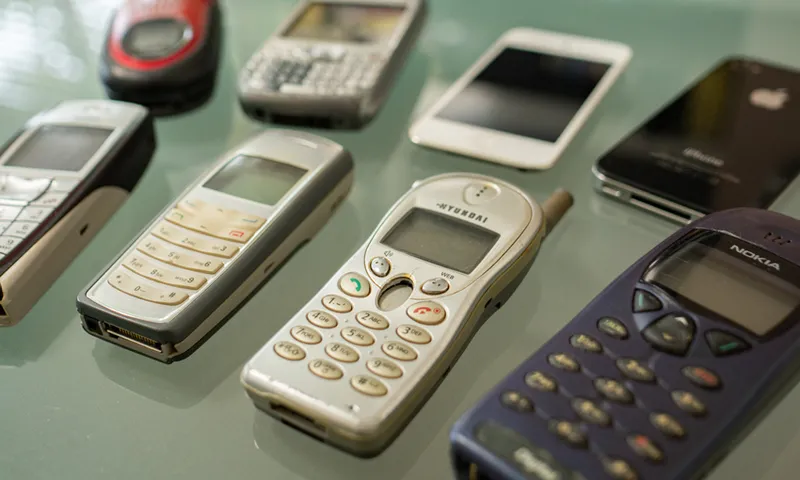
3G, 4G and 5G transmit voice calls, texts and internet data through radio signals, which are managed by the government, so that different users of radio signals don’t cause interference with each other. Ending the 3G network will free up radio signal bands, meaning 4G and 5G can use a wider spectrum of signals and coverage will reach further. When the 3G network stops, people who haven’t bought new, 4G-compatible devices will not be able to place any calls, including emergency calls, even if their phones are otherwise functional.
New Zealand isn’t the first country to do this; Australia switched off its 3G network in 2024. In Australia, this was widely seen as a disaster, with lack of communication and coordination between different providers meaning hundreds of thousands of devices couldn’t place emergency calls. A parliamentary inquiry was held to investigate what went wrong. In deciding to switch 3G off, the New Zealand telcos talked to their Australian equivalents so the move was more coordinated and consistent, said Paul Brislen, CEO of the NZ Telecommunications Forum.
The forum has tried to get the word out about the closing network in different ways. There’s a website with a factsheet, and they’ve worked with the Digital Equity Coalition and groups supporting rural people who may be particularly dependent on 3G services. While new, 4G-compatible devices can be bought for under $100, the extra cost is difficult to handle for many people. The forum also sponsors ReMobile, a service which safely recycles phones – the batteries and heavy metals inside devices shouldn’t be thrown away in normal bins. Remobile only collects data quarterly, so it’s not clear whether there’s been an uptick in phones being recycled. Given the scale of e-waste, though, it’s unlikely all affected devices will be disposed of properly.
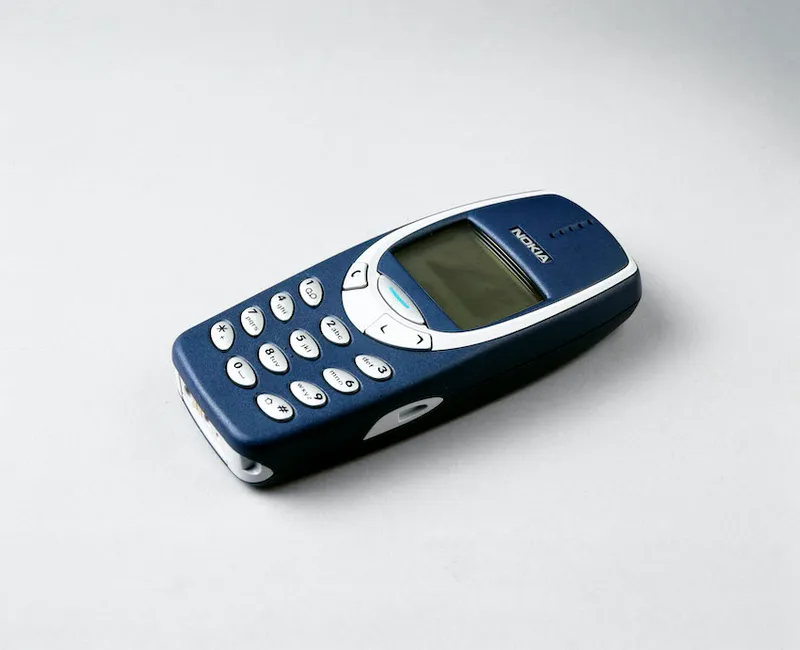
Since telcos also sell phones, the change away from 3G could lead to more sales. “We expect to see a flurry of new devices set up next year. It’s cheap and easy to set them up. But we are still urging people to get onto it now,” said a 2Degrees spokesperson.
The end of 3G will mean thousands of devices around New Zealand no longer work. This applies to people with older phones, but also to people with phones imported from overseas with models that aren’t common in New Zealand. Newer phones, like those made by OnePlus or Google’s Pixel phones, may have 4G or 5G but haven’t been configured to do voice calls on these networks, because they have been built for international frequencies.
Even quite new, top-of-the-line phones might use 3G for calls, and will need to be replaced. “When the 3G disappears your [parallel import] phone won’t be able to connect to New Zealand’s signal range,” Brislen says. 2Degrees said it was working to certify some overseas devices and has collaborated with Chinese companies Xiaomi and Honor to test their unsupported devices on 2Degrees networks. Telco communications encouraging people to upgrade are tinged with palpable urgency. “It’s vital people check if they can still make emergency calls – please take action if you get a text or email about it,” said the 2degrees spokesperson.
People with these phones are clearly concerned about the issue. On one Reddit thread, users shared tips about what they did to re-route their international phones onto New Zealand signals, which usually requires installing extra software or alternative operating systems. Google forum users commiserated about how New Zealand telcos can’t reconfigure their networks to support these phones.
In some cases, changing phone settings or upgrading software will work, but some can’t be changed; the telcos have set up a free text line, so anyone who texts “3G” to the number 550 can get an automated response saying whether they will be affected. While there has been some warning, many people purchased these phones with the expectation that they would work in New Zealand – most people don’t think about frequency configurations when buying a new device.
The best tactic to get people to upgrade their phones is to be extremely irritating: having a pre-recorded message placed before a phone call goes through warning that the device will stop working. “In Australia this was so annoying that people were literally walking in and throwing their phones on the desks at the service providers,” Brislen said. “It’s really annoying and it really works.”.
While it’s easy to feel frustrated about the requirement to buy new things to keep up with modern communications technology, this is hardly the first time this has happened. As most New Zealanders have learned to live without a landline, for example, surely millions of handsets have made their way into landfills. The difference with 3G is that landlines still work, and weren’t switched off all in one go. While other communications technologies, like sending letters or using homing pigeons, are much less common now, they’re still an option to get a message through.
Is this bound to be an endless cycle of having to buy new stuff for new communication technology? “Each generation of devices is better than the one before – that’s the way the tech cycle works,” said Brislen. He compared phones to bridges. “You don’t rush off and buy the latest bridge because it works so much better than the previous one. With phones, there’s still an improvement from generation to generation, even if it is slowing down.” 4G networks were designed to place voice calls over the same frequencies as internet data, compared to 3G networks, where voice calls and internet were separate, which provides some future-proofing.
The 3G shutdown is a reminder of how quickly digital technology has become essential to modern life in New Zealand, and the danger of people having their forms of communication shut off if they’re not aware of it. “We’ve tried to cover all the bases so everyone knows,” Brislen said. Until the network is fully off, it won’t be clear if it’s worked.

Shanti Mathias
Shanti is a contributing writer at The Spinoff with a focus on Christchurch and the South Island. Email her at shanti@thespinoff.co.nz


