Right now, most people carry around a selection of rectangular pieces of plastic everywhere they go. But a push to digitise payments and driver licences could see a big shift in behaviour.
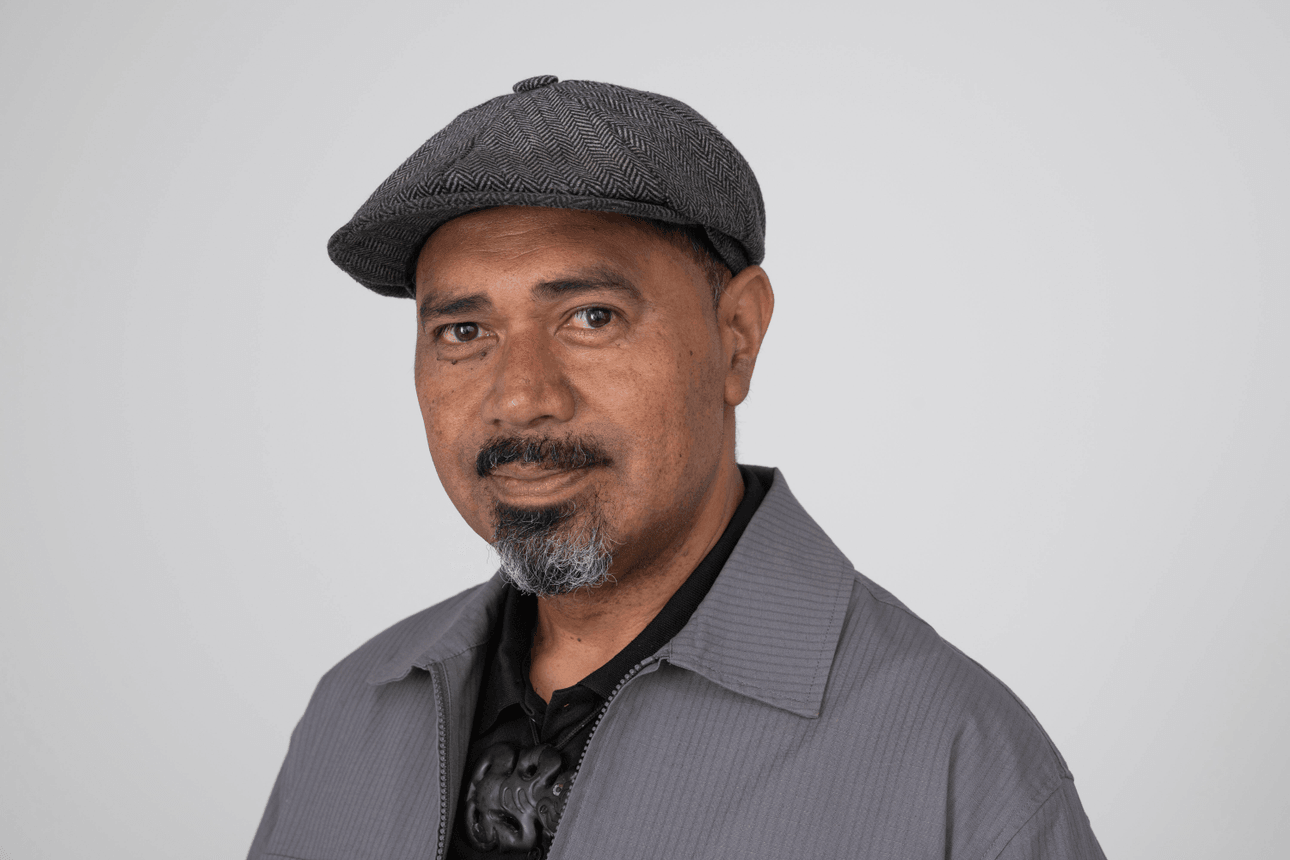
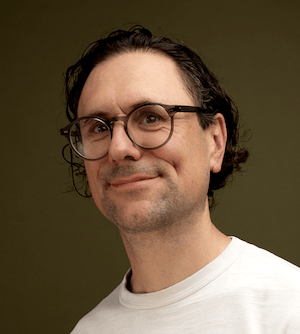
Every day, Peter Griffin walks out of his house with no wallet, just his phone. He pays for everything with cards loaded into Google Pay, although he was recently caught out at his dentist, which didn’t offer Paywave. “I had to pay them from my bank account, they didn’t like that because the transaction doesn’t immediately go through,” says the technology commentator. Admittedly, since he keeps up with new technology pretty promptly, he’s an early adopter. “I basically already live a cardless life,” he says.
In other countries, not carrying a card is common. In India, for example, a “unified payment interface” allows payments to be conducted through apps where you scan a QR code that sets up a direct payment into a bank account. In Brazil, an app called Pix was developed by the central bank with a similar system. Together, 63% of the world’s real-time bank payments take place in these two countries.
“If you look at India, [payment apps] didn’t kill cards – people never had them,” says Jonathon Dale, head of payments development at BNZ. “People went straight from cash payments to digital, like using electric cars in a place that never had a petrol station.”

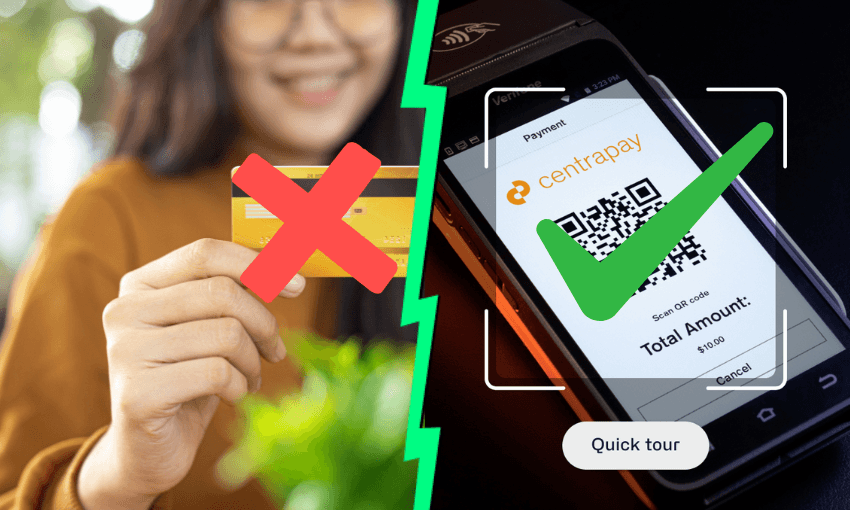
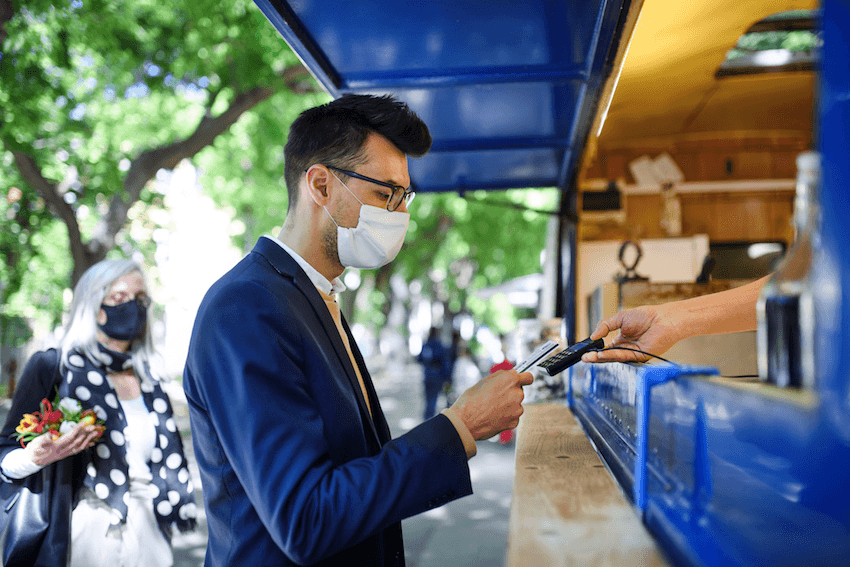
Dale is hoping New Zealanders can lose their attachments to their cards. BNZ has created a new app called Payap and is promoting its use for point-of-service sales around the country. At the point of service, the screen of the payment machine can display a QR code. Scanning with your camera or the app sets up a payment for the exact amount from your bank account, and both parties can immediately see that the payment went through.
Using the app has smaller fees for businesses than Paywave, because it goes directly from one account to another. No matter which bank you use, scanning the code sets up an immediate bank transfer. While you can have a preferred account to pay from, it’s also possible to set up a single payment from multiple accounts – combining, for example, $20 from a checking account and $30 from a savings account into one $50 purchase. “A quarter of people will move money between accounts while making a transaction at the supermarket – we wanted to solve that friction, the fear of your card being declined,” Dale says.
On its website, Payap’s tagline is “the smarter way to pay – without the surcharge”. The app has been in development for several years, and the frustration of contactless charges for businesses and consumers is an obvious impetus. It costs more for small businesses to process contactless payments, which is why many add a surcharge to payments made this way – this costs New Zealanders up to $150m each year. Earlier this year, however, the government committed to banning surcharges by May 2026 (though it looks like the initial ban may end up being softened amid pushback from businesses and the Act Party).

“I think it’s taken the wind out of Payap’s sails a bit,” says Griffin of the proposed ban. “It’s going to struggle with surcharges gone, because the cost of making the transaction will be built into the overall price of goods.”
Credit card companies like Visa and Mastercard are essentially middlemen; they sit in between transactions, taking a small cut, but providing high trust and efficiency. Direct payment apps, like Payap and international equivalents, can be fast and directly take money from a bank account. But can New Zealanders get over the habit of carrying around bits of plastic covered in numbers? “New Zealand is very card-centric,” says Dale. But bulky wallets with a half dozen pieces of plastic are becoming less common – many people have just one or two cards attached to their phone. “If you look around at the beach, you don’t see stacks of plastic cards. For walking the dogs or if it’s a short trip, how many people take plastic with them?”
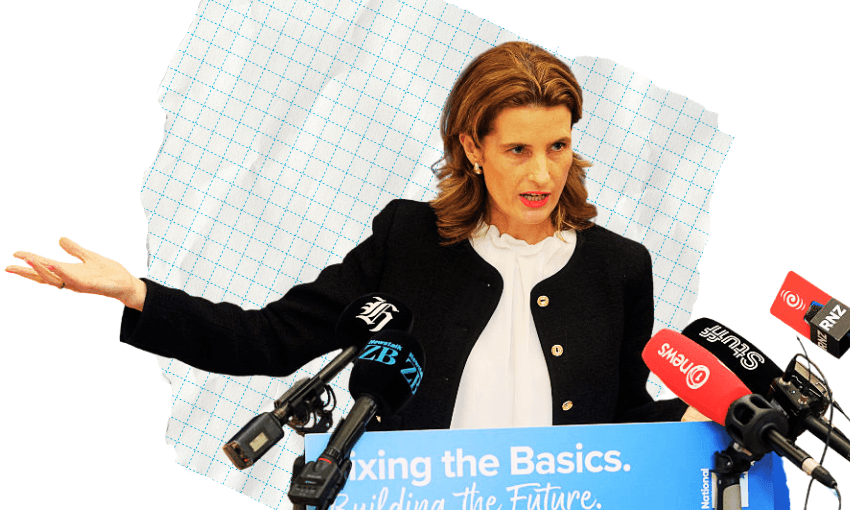
The government is investing huge amounts of money into creating digital alternatives to other physical cards. Thanks to Motu Move, people in Christchurch and Auckland are already able to pay for public transport with digital wallets or smart watches. Last week, digitising government minister Judith Collins launched Govt.nz, an app intended to eventually hold digital driver licences.
Some gift cards and loyalty cards can already be added to digital wallets. Payap also has loyalty options, where businesses can reward repeat customers. “Consumers can get that little dopamine rush of going back to this sushi bar and getting something, that’s an incentive to go back,” Dale says. Once most of the cards people cart around in their wallets have secure digital equivalents, it’s easy to imagine that physical cards will become less common.
Payap is just one example of how open banking – a way for third parties to securely access banking data, making it easier for consumers to switch between banks – can benefit New Zealanders. So far, many major banks have been slow on the uptake. But to make Payap useable, all banks had to work with BNZ. “The conversations with other banks were all very productive, they could see the value in connecting and using the flow of money for businesses,” Dale says.
Of course, it’s in the banks’ interests to make it as seamless as possible to spend money, and to limit how much money is routed through third parties like Visa or Mastercard. “We’re well behind with open banking,” Griffin says. However, “a lot of players are interested in these account to account transactions – Payap is the first wave of that.”
But are many people actually using it? BNZ is clearly hyped; Dale’s Microsoft Teams background displays the Payap logo in jazzy purple, and he recounts a story of a team member buying flowers for his wife through the app, using three different bank accounts and a gift card for one payment. Dale thinks there’s a market for school fairs – it’s certainly faster than tapping out long account numbers at every stall. There has been lots of advertising, with one TV commercial where a cashier takes a bite out of a customer’s food to represent surcharges receiving two dozen complaints to the Advertising Standards Authority (none of which were upheld). There are promos too, like free fries at Burger King with any Payap purchase. Using the app takes at “a few seconds” longer than waving a card at a Paywave terminal – but Dale hopes people start realising that it saves time compared to shuffling money around bank accounts first.
Despite the app’s promotion around supermarkets, though, Griffin is yet to spot a QR code in the checkout of his local New World. “It’s not available in a lot of places right now. For it to be more than an innovative experiment that fizzles out, they’ll need a big push in 2026 to get more merchants on board.” With the end of contactless payment surcharges in sight anyway, it might be a hard sell. But things have changed before; 50 years ago, everyone was paying with cash. The credit card companies, Griffin says, shouldn’t be complacent.