Echo Chamber: NZ First takes jabs at Gerry Brownlee

Gerry Brownlee and Winston Peters.
A new Covid inquiry is out, and so are the knives.
It was a week in which parliament stepped into the time machine, back to the dark ages of 2020 AD. They were the best of times, they were the worst of times, they, apparently, saw fascist dictator Jacinda Ardern lock us all behind the bars of our homes and force medicines into our bodies so that we wouldn’t kill each other. It was a truly cooked era, and this week, everyone in parliament had to relive it.
However, not everyone’s memories of the pandemic are the same – some were in government dealing with the damn thing, and some others were in opposition (or else out of parliament) aligning themselves with conspiracists. Thankfully, the second phase of the royal inquiry into New Zealand’s Covid-19 response was released just before question time on Tuesday to jog some memories. But as they say, there’s three sides to every story: yours, mine and the truth.
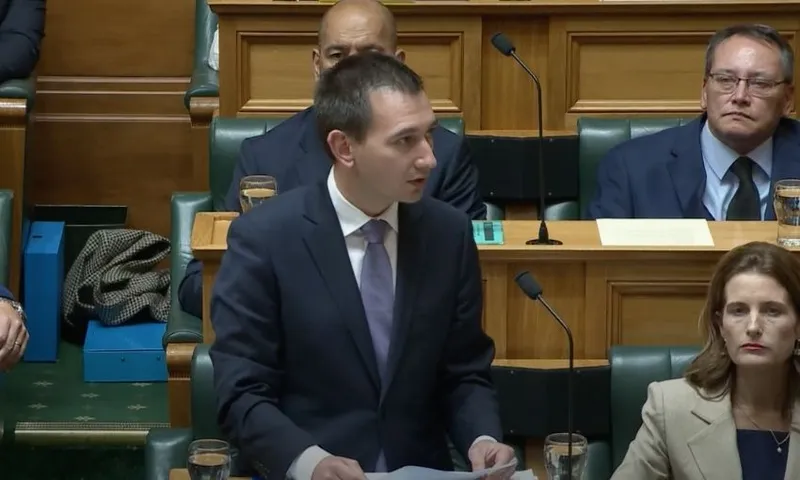
Before question time on Tuesday, parliament got to debate its truths in the House. First up was health minister Simeon Brown, who made a point of claiming then-ministers had ignored advice given by the Covid-19 Vaccine Technical Advisory Group about the risks of 12-17-year-olds developing very rare myocarditis symptoms after receiving the Covid vaccine.
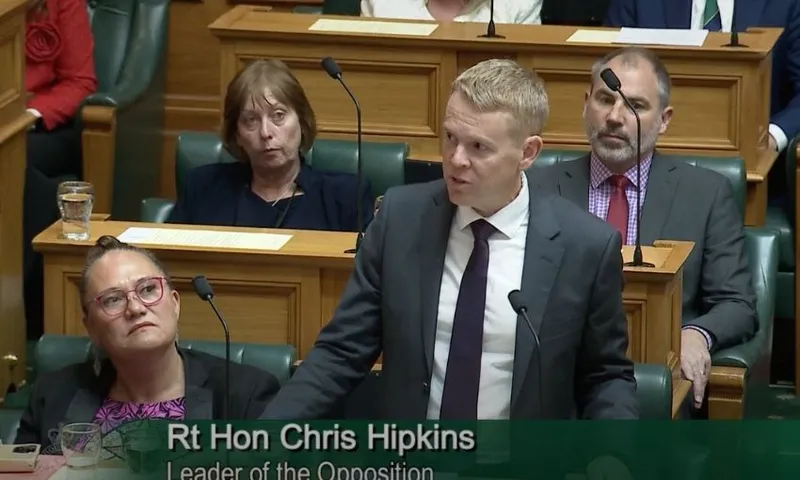
Labour leader Chris Hipkins, one of those Covid-times ministers, was having none of it. And in his very best impression of actress Dakota Johnson on Ellen, Hipkins laid down the law: actually, no, that’s not the truth, Simeon. As Hipkins pointed out, what the report actually said was that in a “significant oversight”, that specific advice never actually reached any ministry officials.
What ensued from there was summed up pretty well by NZ First minister Shane Jones who barked across the House that everyone was “mining information” and extracting their own stories from the same report. If only there was someone in the current government who was deputy prime minister in 2020, and could have maybe shared his vaccine concerns a bit earlier.
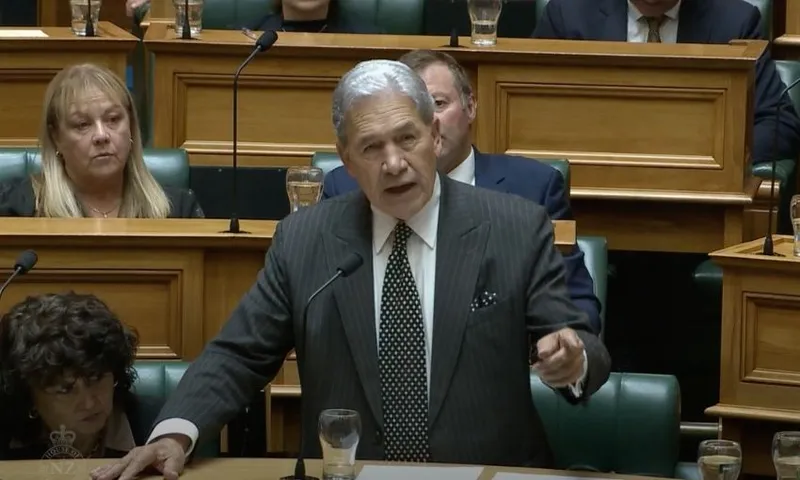
In lieu of doing it then, NZ First leader Winston Peters aired his issues on the matter this week. He, too, was concerned by the prospect of these 12-17-year-olds getting jabbed. He wanted to know how many of them were jabbed, and whether anyone was sacked for jabbing them. Brown didn’t have many answers, but did have his stake in the ground: ministers definitely ignored this advice, trust me.
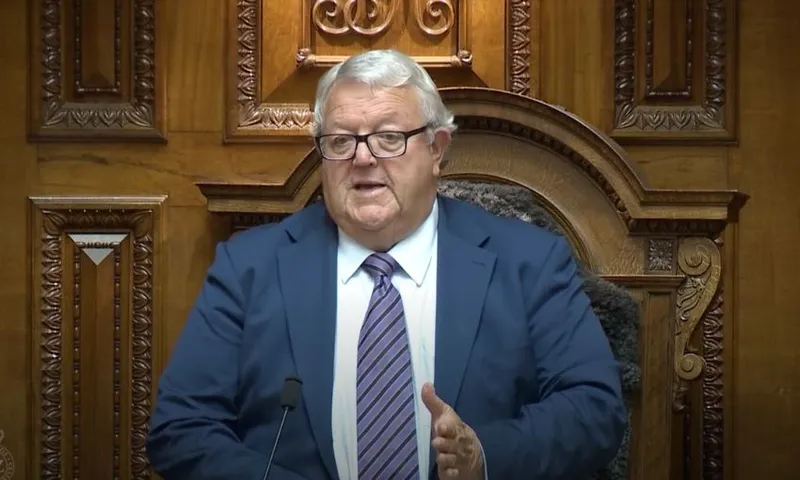
Speaker Gerry Brownlee asked if the Right Honourable Peters had any more questions,. “On the basis that it takes some people [time] to absorb the information that we’re giving them, I’ll come back next week with it, or the week after,” Peters threatened. “Oh, that’s very generous of you,” Brownlee replied.
It only took Peters a day to start up again. During question time, which saw independent MP Tākuta Ferris take a seat behind his old caucus colleagues in Te Pāti Māori and chatter away with MP Hana Rawhiti Maipi Clarke, Peters was back for another rodeo.
With his party having just issued a press release calling for a third Covid inquiry into injuries caused by vaccines, Peters again questioned Brown. NZ First was keeping its fingers on the pulse, leading a breakthrough in democratic transparency, and nobody else in the House seemed to care that “hundreds of thousands” of 12-17-year-olds were mandated to be ruthlessly jabbed for their health. Except there wasn’t actually a mandate for all the hundreds and thousands of New Zealanders in this age group. There was a mandate for 12-17-year-olds who worked in education, of which you’d have to think the number was small. Anyway, as the speaker pointed out, Brown wasn’t the health minister at the time, so how could he speak to actions he didn’t take?
Peters rose for a point of order. “Are you saying that that’s not a proper question to be asked in this House, as to whether he’s concerned about that, and what its possible legal ramifications mean for us? Surely that’s what parliament’s about.”
Brownlee turned cold. “Mr Peters, I deeply reject any suggestion that I am not concerned about those many hundreds of thousands of people who are affected or that I don’t know the circumstances of some of those people who are affected,” he told Peters. “You’ve been here a long time. You know what the rules are.”
Peters continued trying to fight it out with Brownlee, as he has been wont to do as of late. But, by virtue of being the speaker, Brownlee was able to tell him to sit down and move on. Hard to say whether Brownlee would have been so patient if that kind of back chat had come from the Greens’ benches.
By Thursday, parliament was moving on. Independent MP Mariameno Kapa-Kingi was keeping reporters in a will she, won’t she guessing game about her return to Te Pāti Māori following a high court decision calling for her reinstatement. And the Green Party sent gusts into the Wellington rumour mill by unveiling its early election list, which saw new candidates leapfrogging sitting MPs. It had some demanding justice for MP Steve Abel, who has dropped five places compared to the 2023 list.
During oral questions, Māori development minister Tama Potaka, responding to Labour MP Willie Jackson, waxed lyrical over the coalition government’s achievements. There’s finance minister Nicola Willis leading tax relief, associate education minister David Seymour upping attendance numbers at school, and resources minister Shane Jones “eloquently articulating” new thermal strategies. “We don’t speak from the podium of truth, but from the crucible of outcomes,” Potaka declared.
If we’re talking about truth, here’s some: the second phase of the Covid-19 royal inquiry this week revealed little new to fuel controversy, but ministers still managed to spin it how they wanted to.

Lyric Waiwiri-Smith
Lyric is an award-nominated politics reporter at The Spinoff. She covers parliament from the press gallery, pens the weekly column One MP, One Pint and is endlessly curious about what makes our decision-makers tick. Off the clock, Lyric loves a live gig, a cold brew, and being a Wellingtonian (on a good day).


