

Of course the board is appointed ‘with purpose’, the deputy PM says in response.
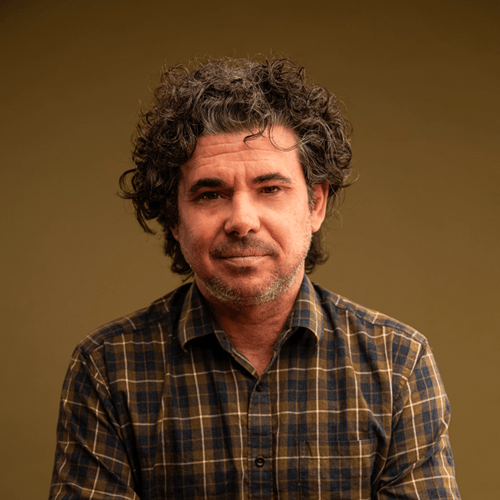
Recent commentary by David Seymour taking aim at RNZ hosts, management and governors crossed a line, says Jane Wrightson, a member of the RNZ board since 2021. His statements, she told the Spinoff, were “distasteful and unnecessary”, and she had taken personal offence.
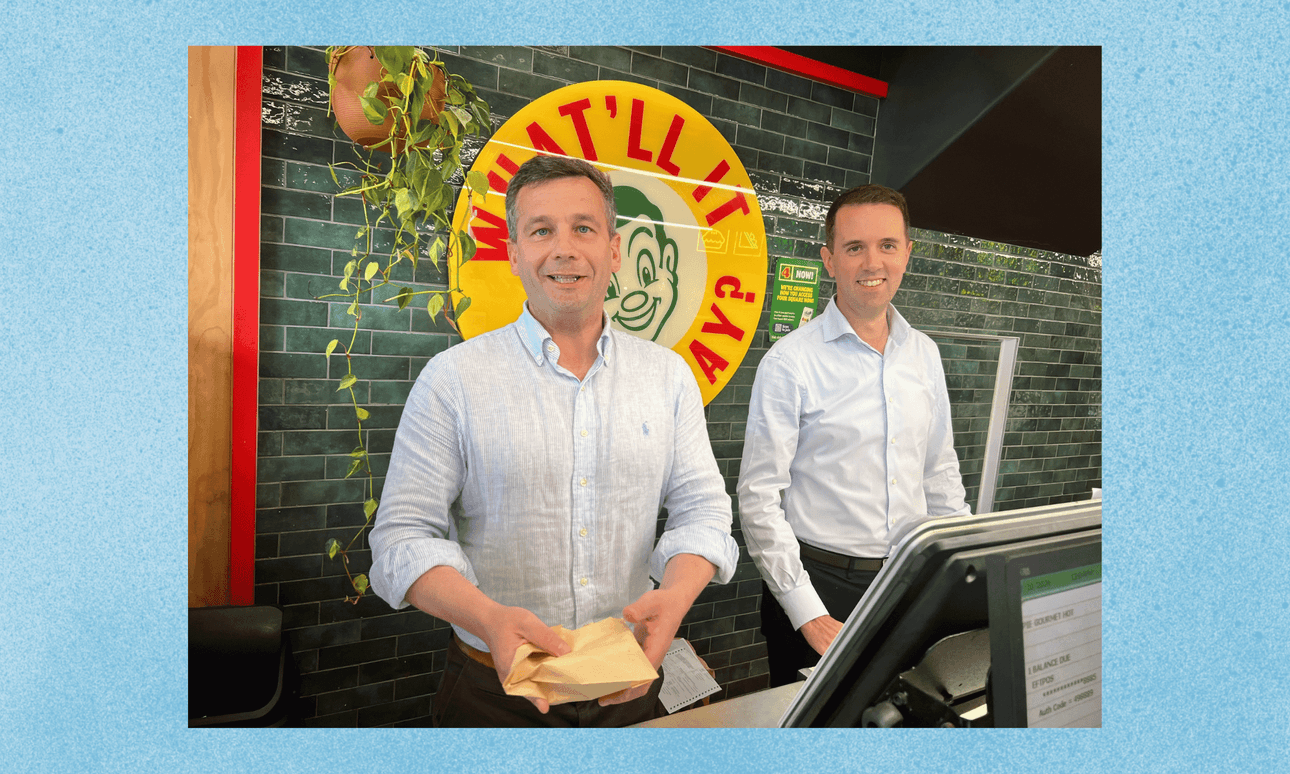
In an appearance last month on The Platform, Seymour said he was surprised John Campbell’s previous opinion columns hadn’t ruled him out of the role on Morning Report. In an interview with The Platform’s Michael Laws – once an MP and spin doctor for Winston Peters – he said: “Anyone who has written the kinds of things that John Campbell has written? Sorry, mate, I mean if you want to write that stuff you can, but it’s out of the question that you’d get this job. Unfortunately, that’s not how the current management of RNZ thinks.”
Seymour said of RNZ’s chief executive, Paul Thompson: “Look, that guy’s got an awful lot to answer for, and I suspect that he won’t be answering the call at RNZ for much longer.”
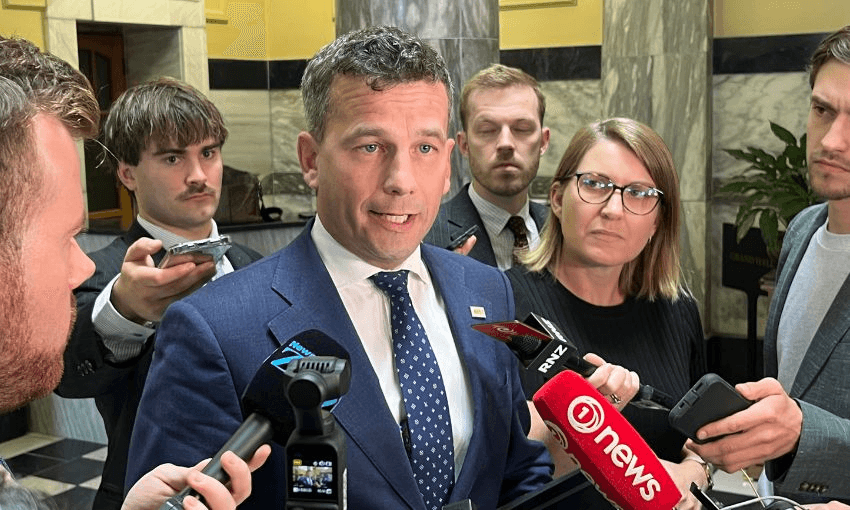
The Act leader and deputy prime minister, who in his associate finance capacity is a shareholding minister for RNZ, suggested a management reshuffle would follow a board overhaul. “We have appointed most of the people on the board and replaced and refreshed them,” he said. “There are a few more appointments to come. I think it’s really critical that we’re ensuring we get better people on the board, and those people will change the management.”
Wrightson, who is among those soon to depart the RNZ board, said: “There’s a robust relationship, of course, between public media and the government of the day. But I found those comments distasteful and unnecessary, and I don’t think that picking off individuals is the right thing to do.”
Speaking as part of a wide-ranging conversation for the Spinoff podcast Gone By Lunchtime, she said: “Personally, I was offended. Mr Seymour won’t mind, that’s all right. He’ll probably swing back at me, you know.”
In discussing “a non-commercial broadcaster with Crown funding, albeit at arm’s length, whose job is to take on the government of the day”, said Wrightson, “I think that you would be careful around the comments that each of us would make about the other.”
As for that anticipated swing back, approached by the Spinoff, Seymour said in a statement: “The government appoints the board on behalf of the taxpayer, who is the shareholder. Ms Wrightson shouldn’t be surprised that we do that with purpose. I wish her well for her endeavours after she moves on from the board of RNZ.”
‘Out of order’ – Peters
Jim Mather, chair of the RNZ board, had earlier responded to Seymour’s comments by stressing that RNZ’s editorial independence is “fundamental and non-negotiable”. Mather, whose tenure will soon expire, said in a statement: “Any suggestion that board appointments are intended to influence management outcomes or editorial direction is inconsistent with the arm’s-length framework that underpins public trust in RNZ.”
He said: “Commentary that publicly links board changes, management tenure or editorial appointments to political perspectives risks undermining confidence in RNZ’s independence and the integrity of its journalism.”
In response to parliamentary questions about the incident, which emerged as the parties of government launched repeated salvos against the media, Christopher Luxon refused to criticise Seymour. He said: “The minister explained his comments well. I’m quite confident that he did not at any time direct RNZ or TVNZ.”

The minister for media and communications, Paul Goldsmith, later told reporters: “I don’t think some of [Seymour’s] comments were helpful in relation particularly to the board. We appoint the board, and it’s typically the role of the board to make decisions around management.”
New Zealand FIrst leader, Winston Peters, despite previous broadsides at both RNZ and TVNZ, was not leaping to support Seymour. He said of his cabinet colleague’s comments last week: “They were out of order, especially if you’re a shareholding minister in that context,” he said. “We can have our criticisms about organisations, but that’s no way to go about it.”
Wrightson, who concludes her role with RNZ at the end of June, said: “I’ve really enjoyed my time on that board … To be able to assist with its strategic direction and providing the kind of screen around it so that it can do its job, I think that’s really important for board members of public media entities.”
Of the changes at RNZ over recent years, she said: “It had been running on the smell of an oily rag for years and years. I was quite shocked when I walked in to see the state of the technology and the state of the systems and the entrenched nature of some of the discussions. So it really needed a big modernisation project. That’s nearly finished. Moving into the building with TVNZ in Auckland in a couple of months will be a good thing as well. So I think the future is bright.”
The decades-old case for regulator reform
As for the government announcement that it intends to abolish New Zealand’s statutory broadcasting regulator, Wrightson, who served as chief executive of the Broadcasting Standards Authority from 2003 to 2007, said: “Even then I was saying it needs legislative reform. So successive governments have chosen not to do legislative reforms. I don’t know why. It’s just never been a priority … Everybody knows the current system is not fit for purpose. The question is, what should the system look like? And there’s been lots and lots of policy work done behind the scenes, I think – I haven’t seen most of it – that would have been examining exactly this.”
She added: “It’s worth saying that the Broadcasting Standards Authority has not been abolished. The government has said we will [legislate] but I doubt that will be through before the election. What concerns me is that, what does the system look like without it? … The whole point around the current complaint scheme in media-land was to make it accessible to ordinary New Zealanders who felt that they had been hard done by. It’s absolutely true that most complaints can get solved or dismissed quite quickly. That’s not the point of it. The point is to deal with it when the cards fall badly.”
The catalyst for the government’s BSA decision was a standoff between the regulator and The Platform, but changes to the regulatory structure had undergone a policy review this term, via proposed changes to media and screen industry legislation in Aotearoa. The same paper from the Ministry for Culture and Heritage, issued early last year, included a proposed merger of New Zealand on Air and the Film Commission. After early indications this could be pursued before the end of the term, Goldsmith in September kicked the idea to the long grass.
Wrightson, whose media CV includes more than a decade heading up New Zealand on Air, was ambivalent on the case for a merger. “If the agencies are working closely together and have strategies that understand each other’s contribution, then it’s probably unnecessary,” she said. “If I was a funding applicant, I’d quite like two agencies, because you’ve got two doors. I’m a bit torn by it, really. I think it probably doesn’t matter either way, as long as each has got a defined and clear job to do.”
As for the wider public media funding system, she said: “It’s fragile, but not weak. In RNZ and Whakaata Māori there was a bedrock of fully funded output, “for good cultural and social fabric reasons”. The contestable funding from New Zealand on Air, meanwhile, enabled other media organisations, from TVNZ to the Spinoff, “to produce complementary and competing products for different audiences [which] is also crucial … You need some infrastructure work, which is the RNZ style, and you need funding for alternative and different views. And together, I think that makes as robust a system as you can get for five million people.”