Te Pāti Māori wrestles with a question at the heart of Māori politics

Te Pāti Māori co-leaders Rawiri Waititi and Debbie Ngarewa-Packer (Photo: Getty)
At a time when many Māori feel particularly aggrieved by the government, parliament and politics more broadly, can Te Pāti Māori find its purpose and recapture its momentum?
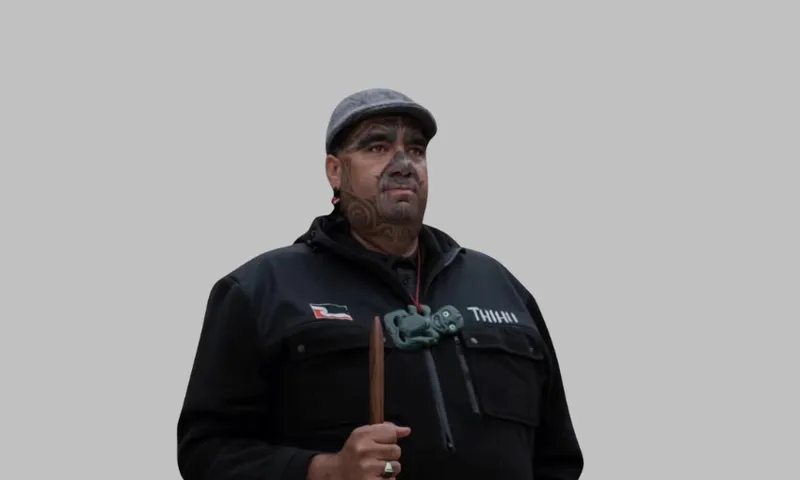
When the Ngātiwai leader Aperahama Edwards was announced as a Te Pāti Māori candidate for Te Tai Tokerau last week, it brought new energy to a party that has spent much of the past year locked in something of a death spiral, lurching from conflict to conflict.
In the press release announcing the candidacy, Edwards said he came “with a deep conviction and belief in the foundations of what Te Pāti Māori stands for, which is a party that centres Māori”.
He will face a crowded field in Te Tai Tokerau, including Mariameno Kapa-Kingi, the former Te Pāti Māori MP who this month announced her own party, one she said would be defined by tino rangatiratanga. “For too long, our people have been asked to fit into systems that were not designed by us, for us, or with us in mind.”
It’s not exactly new territory. The first Māori to ever speak in parliament, Tāreha Te Moananui, said in 1868 that “we have been elected to give utterance to the Maoris,” before going on to assail the Native Land Court. In the early 20th century, MPs, including Apirana Ngata, spoke of “reinterpret[ing] the Māori point of view to Pākehā power”.
In the 1970s, government minister and architect of the Waitangi Tribunal, Matiu Rata, quit Labour, frustrated with the party’s treatment of Māori issues. His new party, Mana Motuhake, was conceived as an independent voice. No longer, he said, would his people have to compromise who they were only to be trampled anyway.
Mana Motuhake stamped its presence on politics, but Rata never returned to parliament. It was in a general seat, not a Māori seat, that Mana Motuhake would finally enter parliament as part of the Alliance Party in 1993, when Sandra Lee won Auckland Central. In an interview with RNZ’s Matangireia in 2019, Lee said, “Will it always be logical for there to be a Māori party and room for it under MMP? You bet.”
The key to success in politics is often a cause, and there were few as galvanising in the early 21st century as the seizure of the nation’s coastline. When Tariana Turia walked from Labour over the raupatu of the Foreshore and Seabed in 2004, going on to form the Māori Party, she said its presence would usher in a new era of “neither left, nor right, but Māori.” The party, she said, would be a constant presence of mana motuhake, founded on a promise to be a “permanent Treaty partner”. The new party capitalised on the foreshore and seabed outrage, claiming four of the Māori seats in the 2005 election.
Turia and her co-leader Pita Sharples’ decision to strike a deal with John Key’s government in 2008 surprised many. The party’s founding president, Whatarangi Winiata, argued that it didn’t matter who the government was, they had to do their best to represent Māori.
That was put to the test when support fell away over the following three terms, despite policy achievements like Whānau Ora, accelerated Treaty settlements and, significantly, the abolition of the Foreshore and Seabed Act.
In 2011, Harawira, disillusioned at what he saw as the Māori Party “selling out”, peeled off and formed Mana. It went into the 2014 election in a, frankly, weird partnership with Kim Dotcom (“All steam and no hāngi”, Kelvin Davis said). Harawira was turfed out of parliament. He later made peace with his old enemies over bacon and eggs. But the Māori Party was running out of steam.
After being ejected from parliament in 2017, the Māori Party used its exile to reinvent itself with something of a revolutionary zeal, promising to be the parliamentary wing of the tino rangatiratanga movement.
It worked. Rawiri Waititi was an exception in a 2020 election defined by Jacindamania, becoming the only person to flip a seat from Labour when he won Waiarikii. In 2023, the party exploded, winning six of the seven Māori seats.
This time last year, the party was riding a high in the wake of the country’s largest-ever hīkoi and what seemed to be an awakening over the Treaty Principles Bill, which was ultimately defeated. The party seized the momentum of Toitū Te Tiriti and a Labour party still reeling from its 2023 annihilation in the Māori seats.
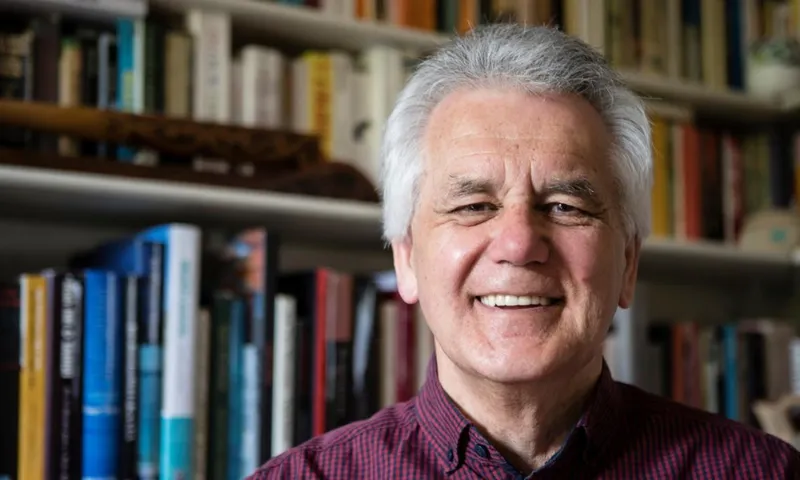
If history doesn’t repeat, it often rhymes. The late Moana Jackson was sceptical of a Māori political party, questioning how working within the coloniser’s system could ever lead to emancipation. “Parliament is not a rangatiratanga house, it’s a kāwanatanga house.” Have a bridge to link the houses, sure, but they could never be one.
Yet for others, the idea of a Māori political party is an act of resistance to the status quo, a stand to ensure an unapologetically Māori voice in Wellington, unheeded by the need for what Hone Harawira once described as “white man bullshit”.
A former national secretary of the Māori Party, Amokura Panoho, in her fascinating Substack series, wrote, “Māori needed our own political vehicle to protect our whenua, our moana and our mokopuna, to uphold Te Tiriti o Waitangi, and to chart a future defined by our values.” A strength from unity against a shared challenge, rather than a politics defined by differences of location, class or status.
But what actually is the Māori vote? The Māori voice? There are unifying issues, of course – treaty, whānau, reo, culture and whenua, to name a few – but our views and interests can be as diverse as any other peoples. The needs of Te Aupouri or Te Kaha can be very different to those in West Auckland or Rotorua. Ngāi Tahu can see things very differently to Ngāpuhi. The interests of working class Māori will always diverge from the iwi chairs or the upwardly mobile.
When the Māori Party worked with National in 2008, a deeper identity issue developed, one that often proves a challenge for pan-Māori parties. Being neither left, nor right, but Māori, was starting to look like making peace with power, that a seat at the table would be the extent of aspiration.
Rawiri and his co-leader, Debbie Ngarewa-Packer, often speak in terms of broad manifesto. They now want to change the system, not achieve change within the system. They don’t want a seat at the table, they want to smash it.
The party is today seemingly riven by infighting, self-interest and powerplay, rather any kind of kaupapa. Hugely significant laws that have smashed through Māori rights have faced little in the way of a serious challenge including, ironically, the seizure of the foreshore and seabed last year.
The momentum and fervour which surrounded the hīkoi seems to have dissipated, the hope and anger giving way to a feeling of malaise. People already have little faith in the system, with 30% of Māori voters not voting in 2023. Any momentum seems to have been squandered by political drama and ego.
Both Labour and National say they’re unlikely to want to form a coalition with Te Pāti Māori in its current guise. So what is its purpose? Is it better to get some wins or nothing? Is it better to disrupt or to sell out? It’s an argument that’s lain at the heart of kaupapa Māori politics for decades, over whether parliament will ever be a path to rights or emancipation.
Still, many do still appear to have faith. Te Pāti Māori, despite its current all-consuming pantomime, is still attracting candidates of the calibre of Aperahama Edwards.
But at a time when many Māori feel particularly aggrieved by the government, parliament and politics more broadly, can they find their purpose and recapture that momentum?


