From scrap metal to cult kebabs: The story of Morteza Bakery

Morteza Saebouri, right, with his wife Frabia Albaghobeish and son Abdolnaser Saebouri, against a backdrop of their delicious flatbread (Photos: Nick Iles; design The Spinoff)
As an asylum seeker in Indonesia, Morteza Saebouri built his own tandoor from scratch to bake his delicious flatbreads. He repeated the feat in his new home of Wellington, where he and his family now serve up the best kebabs in town.
While it’s true that food is a cultural touch point, a potent marker of identity that tells stories of migration and heritage, it is, at its core, a means of survival. It is often romanticised, but in reality, many iconic dishes are nothing more than a collection of things that were available in a specific place and time – identity coming not from aspiration, but through staying alive. It is the pickling and curing to survive harsh winters in northern Europe, and the plentiful oceans around Japan informing sushi. Of course food has now evolved beyond this, but at its core it is survival.
To Morteza Saebouri and his family, owners of Morteza Kebab house in Newtown, Wellington, survival means bread.
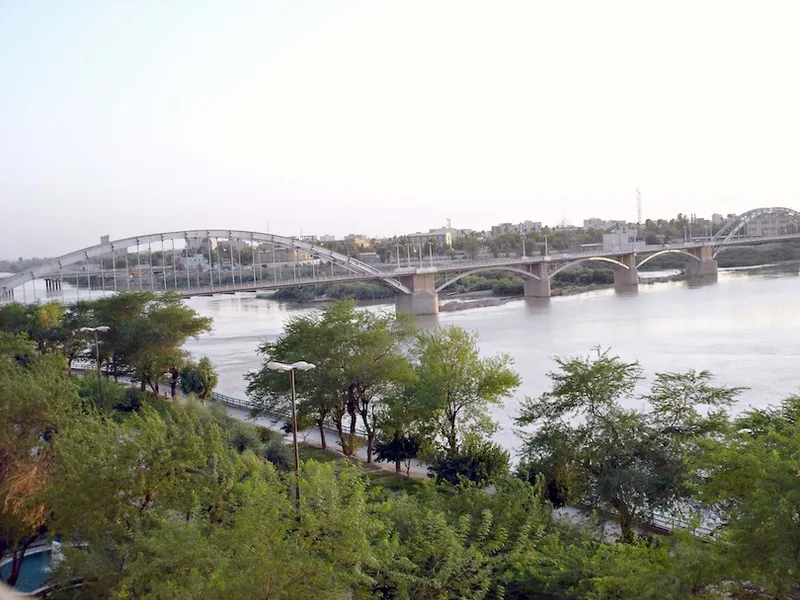
Morteza grew up in Ahwaz, a city in the Khuzestan province of Iran that in the late 19th and early 20th century was sy the centre of an autonomous Arab emirate known as Arabistan. After the discovery of vast amounts of oil in the region, there was a struggle for power as the British tried to gain control of the lucrative oil fields, the ruling Arab sheik tried to gain full independence, and Iran tried to re-establish full control. Iran succeeded in 1925 and many Arab Ahwazis – of which Morteza is one – fled to neighbouring countries, while those who remained endured persecution that continues to this day.
It was in 2012, fearing for the safety of his family, that Morteza took a holiday to Dubai. At least that is what he told the authorities. Instead, he packed up his life, said goodbye to his home, and fled to Indonesia where he claimed asylum with his wife, Frabia Albaghobeish, and their two children.
The UN quickly endorsed their request – their lives truly were in danger if they had stayed any longer in Iran. The following years were spent waiting to see which country would accept their application for full-time asylum. Finding a permanent home took time, a lengthy process in which their case file was handed to various member states to assess and see if they could offer help – the family did not get to participate and progress was not shared. For four years they waited.
During this time the support they were given was minimal – they were legally not allowed to work so survival by other means was imperative. His family needed feeding and he had a plan on how to do it. Morteza walked the streets of Bogor (50km south of the capital, Jakarta), finding scrap metal, bricks and the other pieces of his puzzle. Once he had everything he required, he set to work on building. After a week toiling away, a tandoor had appeared – a fire oven for baking breads and meats dating back to ancient moments of cookery. It was then the family set to making the recipe that had been handed down through generations. Billowing, chewy flatbreads that could be used to bulk up meals and provide much-needed sustenance. This happened every day from then on, kneading the dough by hand before sticking it to the inside and ripping it away when blistered.
Word quickly spread of the family with the tandoor firing Middle Eastern flatbreads. The Arab diaspora came knocking on his door, all in need of a taste of home. In those few years the business grew to the point that they were making hundreds of breads every week – eventually making daily 100km round trips to Jakarta by moped to deliver to eager families. The family found routine and a level of contentment in their new-found lives.
Then just like that, New Zealand said yes to permanent asylum. The move was instant and the business was shuttered. Within days of finding out, they were on a plane and in their new home Wellington. A new city, but Morteza had learned the recipe for success by now.
Again, he went in search of scrap metal and the materials needed to build a new tandoor from scratch. This time not on the streets of Bogor, but in his backyard of Tawa. Again, the Arab community sniffed out the bread of home and before long the Pakistani diaspora too made the journey out to the northern suburbs. Eventually he signed an exclusivity deal with a kebab shop on Cuba Street and was turning out 800 breads a week.
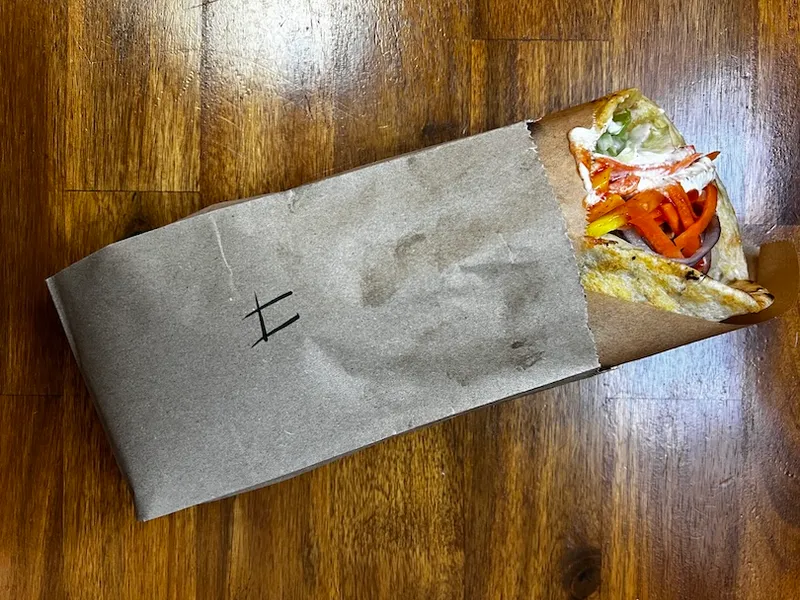
In 2022 the family took the leap and the eponymous Morteza Kebab and Bakery on Riddiford Road in Newtown was opened. In three years it has gained a cult-like status; anyone who has been is nothing short of evangelical. I asked Morteza what makes a perfect kebab, to which he replied that he isn’t sure there is such a thing. To him it is totally subjective. He makes sure that he will sell you the best bread in the city, blistered and bubbly in all of the right places and at once chewy yet billowing. Next up, he will cook your choice of fresh meat or falafel to order on the flat top, pushing the bread firmly over the meat on the grill to soak up the juice before liberally applying hummus. But after that it is up to you: trays of fresh salad, homemade pickles and your choice of eight sauces means you get the kebab you want. There is little point in describing the kebab I choose each time, but I assure you that whatever you opt for, it is that bread that will make it very special.
Morteza has just opened a second spot in Petone. But this time, a one-tonne automated tandoor – imported specially from Iran – has been installed. Quite the purchase for a man who first made that tandoor from scrap on the streets of Bogor; making bread by hand everyday to feed his family and his fellow refugees, all struggling to survive on their journey to a new home. Now here, to nourish us all in Wellington.

Nick Iles
Nick Iles is a prolific eater, writer, and teacher based in Wellington/Te Whanganui-a-Tara.


