Local elections live results: 25 Māori wards to go and 17 to stay, voter turnout well down

The new mayors of Dunedin, Lower Hutt, Wellington, Invercargill and Upper Hutt
We’ve now wrapped up our live updates for the 2025 local elections. ICYMI, catch up on all the action below.
What to expect today – and when will we know the results?

There’s an exciting day of democracy ahead, and The Spinoff will be all over it. Voting closes at 12pm, and we’ll have a pretty good idea of the results not too long after that. If past years are anything to go by, progress results – including all votes made up until the evening of Friday, but not those made this morning or special votes – could be released from as early as 1pm. They tend to make up around 80-90% of total votes.
Officially, electionz.com (the company contracted to run elections for 54 of the 77 councils having them this year), says progress results are likely to drop around 2pm, and Auckland Council is being cautious and saying after 3pm, but we’ll be checking earlier than that, don’t you worry. Preliminary results, including those cast on Saturday but not special votes, will be released later in the evening or tomorrow, with final results (including specials) dropping at some point next week.
As well as deputy editor Alice Neville furiously refreshing the results pages all afternoon (with some help from editor Madeleine Chapman), our team of roving reporters will be checking in with local elections goss from around the country: Hayden Donnell will be covering Tāmaki Makaurau, Lyric Waiwiri-Smith and Joel MacManus on the ground in the Wellington region, Shanti Mathias on the case in Christchurch and Tara Ward doing the mahi in Dunedin.
Haven’t voted yet? Go find an orange box, but be quick about it
It’s OK, there’s still time – just (as long as you’re enrolled). If you received your voting pack in the mail and have ticked your preferred candidates but didn’t quite manage to get it to the post box to be gobbled up and turned into democracy, you just need to find an orange voting box (which will be just as eager to gobble up your vote and turn it into democracy) by midday. According to Auckland Council, if you’re still in the queue when the clock strikes noon, they’ll still let you chuck your vote in, but I can’t vouch for any other councils.
These boxes are found in handy locales such as libraries, selected supermarkets, retailers and transport stations. If you’re in Auckland, you can find your closest one here. Wellingtonian? Look here. Christchurch folk will find a list here. Everyone else can Google the name of their local council and “voting box”.
If you didn’t receive a voting pack or you lost it or your dog vomited on it or similar, but you’re on the electoral roll, you can pick up a voting pack from a special voting location this morning (Google that plus your council to find where yours is). If you’re not enrolled, it’s too late, sorry (and if you’re not sure if you’re enrolled or not, you can check here).
Was there a second-to-last day voter surge?
Yesterday, we reported that voter turnout was looking pretty shite, especially in the cities.
That was using Thursday’s data, but what about Friday’s, released in the afternoon yesterday? Yeah nah still rubbish, I’m afraid.
Auckland is looking truly appalling, at 23.1%. There’s going to have to be an unprecedented final-day surge if we’re going to avoid the ignominious trophy for worst-ever turnout – in 2019 and 2022, the number rose by 3-4% once the Saturday votes and special votes were counted. If this year follows that trend, we’re not going to hit 30%. (Auckland managed just over 35% turnout in the last two elections.)
As of yesterday, Wellington was about on a par with 2022, at a whisker under 36%. The specials and same-day votes took it up to 43% last time, while in 2019 the final turnout was just under 40%. Can it better both of these this year? We shall see.
At 33.4%, Christchurch is sitting comfortably below where it was at this point in the past two elections – a record-low turnout is on the cards.
Hamilton is doing appallingly, just a whisker above Auckland at 24.8%. That’s about the same as 2022’s one-day-to-go turnout, when the final figure reached was 29.4%. Come on, Kirikiriroa, maybe you can at least beat Auckland this time?
Dunedin’s tracking comfortably towards its worst-ever turnout: as of yesterday, it was sitting at 32.5%, well below the previous two elections when it was nudging 40 at this point. Final turnout has been above 45% for the past three elections, but we’ll be lucky if it hits 40 this time (which is crazy when you think about the absolute blinder of a local elections season Dunedin is having, I mean they’ve got a vampire running for mayor for chrissake).
Races to watch
ICYMI, we’ve been covering the most compelling contests here at The Spinoff: you can find all our local elections coverage right here. So where are we expecting the most thrilling, nail-biting finishes?
With the incumbents not seeking re-election, new mayors are on the way for Kaipara, Hamilton, Lower Hutt, Wellington and Invercargill, and we’ll be revealing these fresh faces just as soon as we can. Current mayors have serious challengers in Christchurch, Queenstown and Dunedin, so we’ll be on the lookout for any signs of an unseating.
But it’s not all about the baubles of mayoral office: we’ll be keeping an eye on all the scintillating ward races in Auckland and Wellington, not to mention regional councils, Māori ward polls, and anything else that piques our interest (including all the races we no doubt missed because we’re only human and there aren’t that many of us).
Heaps of people have already been elected
Many candidates will be on the edge of their seats today, nervously waiting to hear if all that hard work erecting hoardings, knocking on doors and listening to constituents’ complaints has been worth it. For 222 of them, however, there will be no such anxious wait: they’ve been elected unopposed, a fact they’ve known since nominations closed on August 1. This includes the mayors of Manawatū and Hurunui: congratulations Michael Ford and Marie Black.
Here is a map we prepared earlier showing the city and district councils with the most uncontested elections this year*.
Then there are the elections where not a single solitary soul put their hand up: the Southland Ward of Gore and Districts Health Inc*, for example, and the Maraekākaho Community Subdivision of the Rural Community Board of Hastings District Council. A bunch of other community boards didn’t get enough nominations to fill their four to six vacancies across councils like Hurunui, Mackenzie, Rotorua, Wellington, Whakatāne and New Plymouth (two boards there, actually). That means that next year, 10 byelections will be held to fill those spots.
*As for regional councils, Environment Southland had five uncontested elections, Greater Wellington and Horizons (Manawatū-Whanganui) two each, and Northland, Taranaki, Waikato and Hawke’s Bay one apiece.
**I’m unsure why Gore District Council still has a health entity like this after the abolition of DHBs, but Google didn’t provide me with an easily findable answer so I moved on.
The fate of 42 Māori wards will be revealed today
More than half of the councils holding elections today – 37 city or district councils and five regional councils – are simultaneously holding binding referendums on the future of their Māori wards or constituencies, with voters choosing either “I vote to keep the Māori ward/constituency” or “I vote to remove the Māori ward/constituency”. If a majority has ticked the latter, the ward or constituency will scrapped from the 2028 term – whatever the outcome, it will be retained for the next three years.
To briefly recap how we got here, in the past, the establishment of Māori wards or constituencies could be challenged by a petition: if 5% of the council’s population signed, a binding referendum on whether or not to establish the ward would be held. Of the 24 councils that tried to create Māori wards before 2021, only two succeeded.
In 2021, the Labour government ditched that provision, and in the next couple of years dozens of councils created Māori wards. When the new National-led government came in in 2023, the coalition agreements with both Act and NZ First required the reinstatement of the petition provision – and for all councils that created wards without a referendum to either abolish them, or to hold binding polls alongside this year’s local elections. Two councils, Upper Hutt and Kaipara, chose to ditch their Māori wards, and the remainder opted for referendums.
The results of the referendums will be released today alongside the other results.
Sound the democracy klaxon: voting is now CLOSED
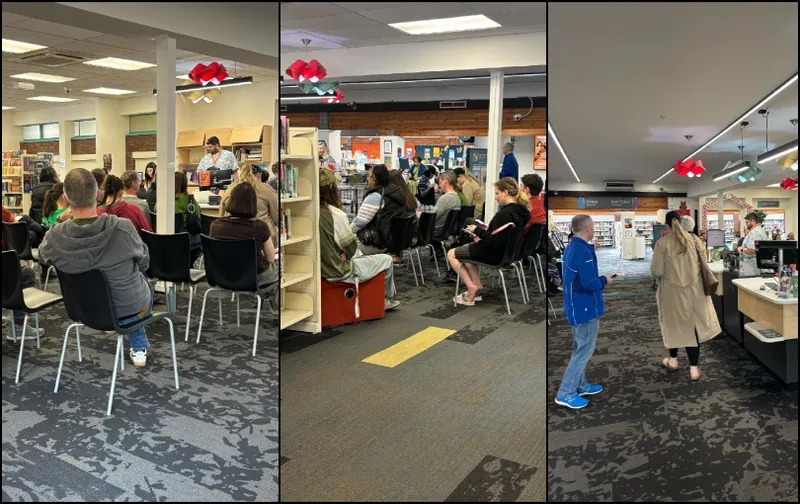
There’s been a flurry of final voting activity this morning, with queues at libraries and other democracy hotspots as dutiful citizens do their bit.
In Tāmaki Makaurau, Mt Albert library was abuzz this morning with voters waiting their turn, while there was still a big queue at Birkenhead library at 11.50 (don’t worry, everyone in the queue at 12 will still be able to vote).
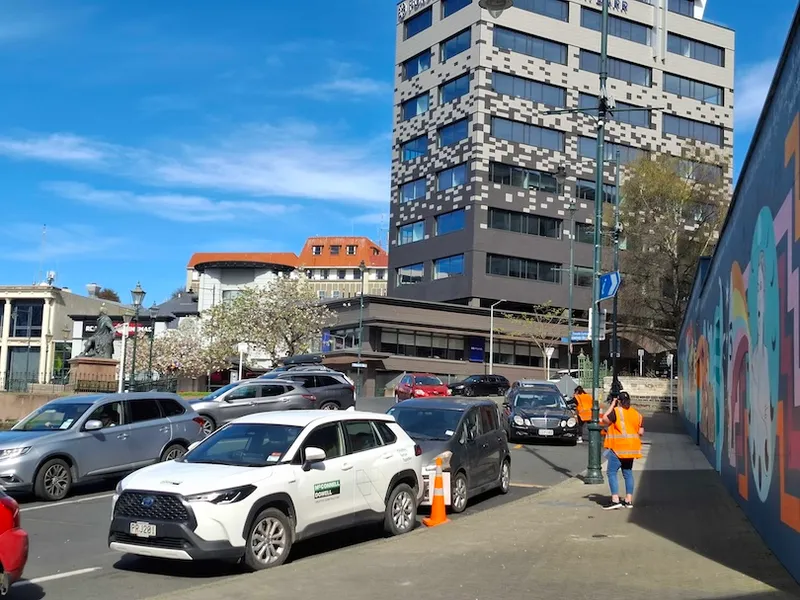
Another Dunner stunner has lured the last-minute voters out down south, reports our Ōtepoti correspondent Tara Ward, with the council running a drive-and-drop-off in the Octagon – lots of people were dropping off their ballots.
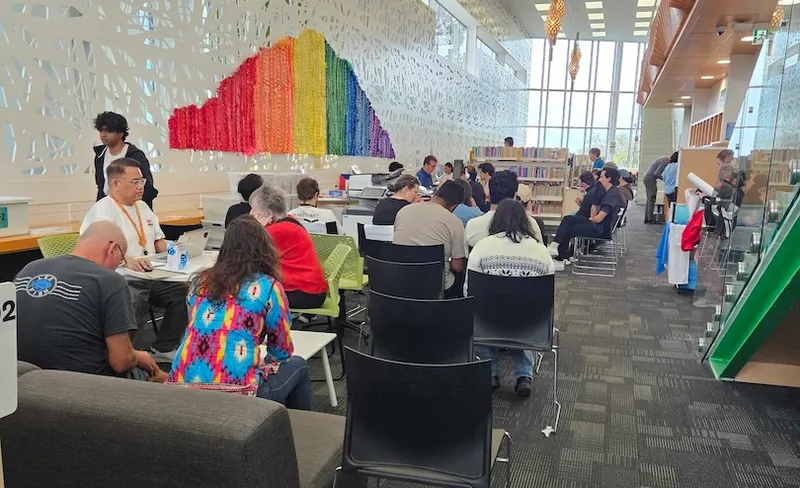
Bell-ringing as ballots close in Birkenhead
This just in from Hayden Donnell at Birkenhead library: “A lady just rang a bell like a town crier and announced voting is closed for ordinary voters.”
The north turned out

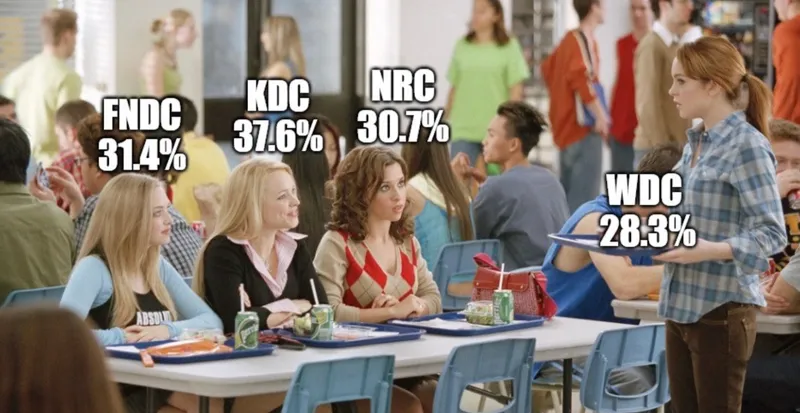
While turnout around the country is tracking poorly, the Far North is a bright spot of democratic engagement. As of October 10 (yesterday) the Far North District Council had 41.4% of votes returned, up on the previous two elections and miles ahead of the major centres still lagging in the 20s. In Kaipara, where a new man must be elected mayor, voting turnout is sitting at a whopping 46.5%, nearly equalling its final tally from 2022 with a full day of votes (plus specials) still to be counted.
Big shout out to the Northland Regional Council social media person, who has been posting some vintage memes on the council’s Facebook page, updating voter turnout numbers. Unfortunately they haven’t posted one in the past 48 hours but here’s a fun one from October 7 that gives a sense of the trends in the north.
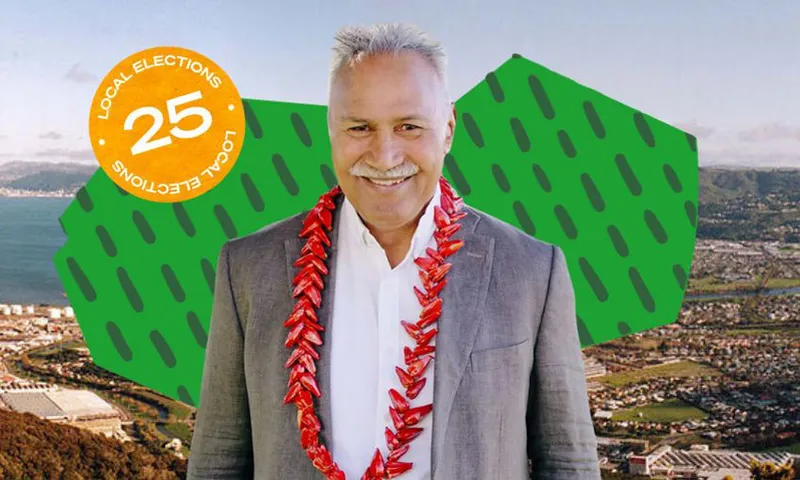
Breaking: Ken Laban is the new mayor of Lower Hutt
We have our first official result: league legend Ken Laban has won the mayoralty in the Hutt City Council elections, according to progress results on the council’s website. Fun fact, while the council is Hutt City, the mayor’s official title is “mayor of Lower Hutt”. Do not ask me why. He’ll be stepping into the shoes of Campbell Barry, who’s not seeking re-election after two terms.
Lyric Waiwiri-Smith went along to Laban’s campaign launch in August: check out her write-up here.
Here are the official (progress) results:
LABAN, Ken 8,704
DYER, Brady (Independent) 6,974
MORGAN, Karen (Independent) 5,529
RAVI, Prabha (Independent) 3,608
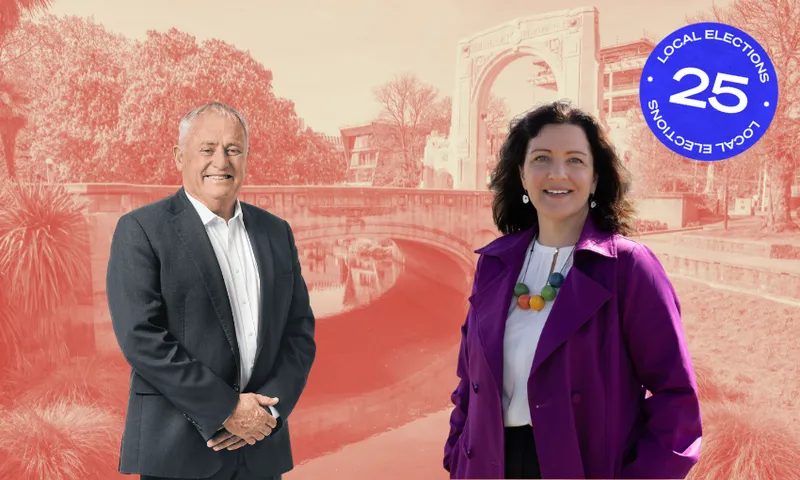
Breaking: Phil Mauger romps home for another term as Christchurch mayor
The incumbent has easily secured another term in Christchurch: Phil Mauger has been re-elected with a majority of almost 20,000 over challenger Sara Templeton, according to progress results from Christchurch City Council.
Check out Shanti Mathias’s interview with them both here.
New mayor for Ashburton District
Liz McMillan is the new mayor of the Ashburton District. The former deputy mayor will take on the top job after Neil Brown elected not to run again. McMillan has recorded 5,472 votes, well ahead of nearest competitor and sitting councillor Russell Ellis on 1,828.
Carterton has a new mayor
Steve Cretney is the new mayor of Carterton, according to progress results, with 1,341 votes to Brian Deller’s 923 and Simon Casey’s 877. He’ll be replacing veteran politician Ron Mark, a former NZ First MP who’s had three separate stints as the mayor of the Wairarapa town.
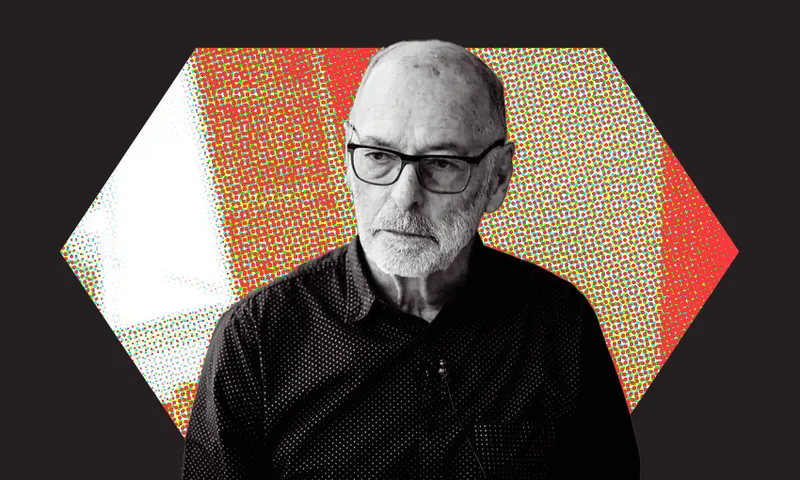
Wayne Brown re-elected in Auckland
In one of the least surprising results of the election, Wayne Brown has been re-elected as mayor of Tāmaki Makaurau, with 146,642 votes to his nearest rival Kerrin Leoni’s 56,612, according to progress results. Ted Johnston came third with 21,661 votes (the perennial candidate’s best result ever!)
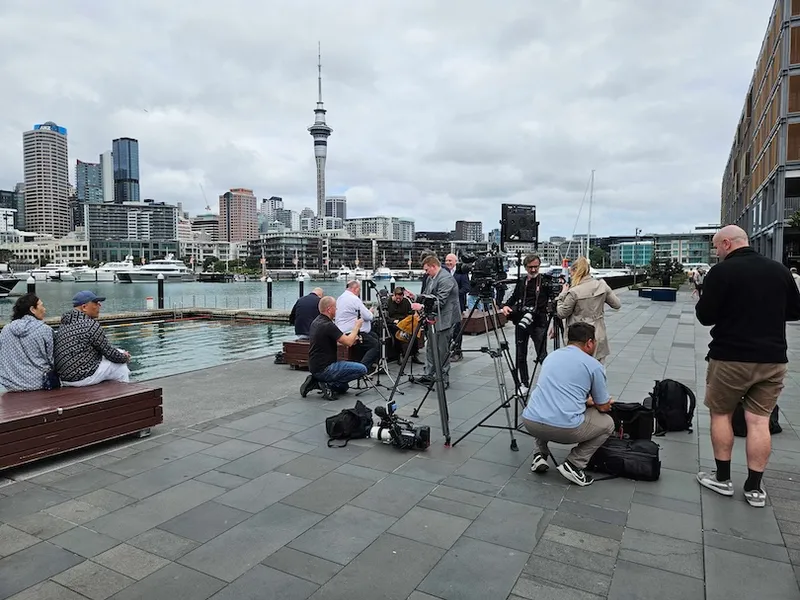
Hayden Donnell is standing by at Browny’s pool for Brown’s official victory speech. It’s a very mild day in Tāmaki so don’t be surprised if the victorious 79-year-old dives right on in. “Potential disruptions afoot from a crowd of children doing wheelies,” reports Donnell.
Lower Hutt votes to keep Māori ward
The residents of Lower Hutt have voted resoundingly in favour of keeping its Māori ward. The binding referendum, conducted alongside the local elections this year, will see Lower Hutt retain its Māori ward seat.
I VOTE TO KEEP THE MĀORI WARD / 14,816
I VOTE TO REMOVE THE MĀORI WARD / 9,279
At the same time, a non-binding referendum question on whether or not Lower Hutt should explore amalgamation with Upper Hutt, Porirua and Wellington City councils received majority support, with 13,290 voting yes and 10,865 voting no.
Ben Bell re-elected in Gore
The young mayor of Gore District Council has successfully retained his seat. Ben Bell holds a comfortable margin, on 2,917 votes to Nicky Davis’s 1,270. Bell’s first term as mayor got off to a rocky start with controversy abound, resulting in a July 2023 apology to the residents of Gore after only 19% of them expressed confidence in him in a poll.
In 2025, Bell characterised the behaviour towards him in his first term as “bullying”.
Sara Templeton concedes defeat in Christchurch
Defeated Christchurch mayoral candidate and outgoing four-term councillor Sara Templeton says she’s “deeply proud” of the campaign she and her team ran.
“Going into this campaign, I always knew it would be a tough ask to beat an incumbent mayor, but it was important that residents had a real choice,” Templeton said in a press release. “We focused on the issues that matter: fixing infrastructure, building strong communities, and creating a fairer, greener, more connected and resilient city ready to face the challenges ahead.
“We have started meaningful discussions about the kind of place we want to be – fairer, greener, and more connected – and those don’t stop here. Let’s keep working together for the change our city needs.
“All the very best to Phil and the councillors as they continue the work of building a great city for everyone.”
A very Wayne Brown start to Wayne Brown’s second term
“We’re off to a very Wayne Brown start to Wayne Brown’s second term,” reports Hayden Donnell from the Auckland waterfront, where the re-elected mayor has made a slightly inappropriate joke while waiting for his deputy mayor. “Desley’s running late because she’s called in to get a bikini.”
“It’s heartening to receive the result and an endorsement of my policies,” said Brown. “It’s fitting that we’re here at Browny’s pool. It’s something I’m very proud of. The cheapest thing that I’m proud of.”
Brown said Aucklanders could expect more of the same this coming term. “They know what I do and it won’t be much different.”
He hasn’t enjoyed the campaign, likening it to “being in the dentist’s chair for six weeks. I don’t enjoy it.”
Simpson, who was re-elected unopposed to the Ōrākei Ward, said, “What the mayor has done this term has been the most transformational change that has been done since the supercity was formed.”
Brown said he won’t be seeking another term in 2028. “I’m sure this is the end. I’ll fulfil this next three years and then I’m done.”
Tom Campbell is Invercargill’s new mayor
Southern Scotsman Tom Campbell has been elected mayor of Invercargill, where residents will be hoping for a less scandal-plagued term than the past three years have been under Nobby Clark. Progress results show Campbell a couple of thousand votes ahead of his biggest rival, councillor Alex Crackett, while fellow councillors Ian Pottinger and Ria Bond trail behind. (Nobby’s brother Andrew, aka Maxwell, has had a shocker.)
CAMPBELL, Tom 6,064
CRACKETT, Alex (Independent) 4,167
POTTINGER, Ian 1,939
BOND, Ria (Independent) 1,496
MORTON, Tom (Independent) 570
CLARK, Andrew 248
John Glover set to be the new mayor of Queenstown
The tourism capital of New Zealand has a new mayor, with John Glover, who runs a wilderness retreat, taking on the role for the next three years.
Glover is ahead of incumbent Glyn Lewers by nearly 1,000 votes (a healthy margin considering Glover’s total is 3,449).
Shanti Mathias has been reporting from Queenstown this election, where six mayoral candidates sought election, five of whom were dripping with criticism for Lewers.
Glover released a statement an hour ago, thanking voters as well as his campaign supporters. “From today, we start the process of restoring trust in council,” he said.
CEOs, ‘secret deals’ and rising rates: a night at a Queenstown mayoral debate
Is there any way to satisfy the ever-growing demand for Queenstown housing?
An upset in Waipā
First-term incumbent Susan O’Regan is facing a likely upset from Mike Pettit for the Waipā mayoralty. O’Regan was topping informal polls as recently as two weeks ago, but sitting councillor Pettit is currently leading with 85% of votes counted.
Mike Pettit / 5,238
Susan O’Regan / 4,291
The rest of the preliminary results are yet to be released.
Transport the priority this term, says Wayne Brown

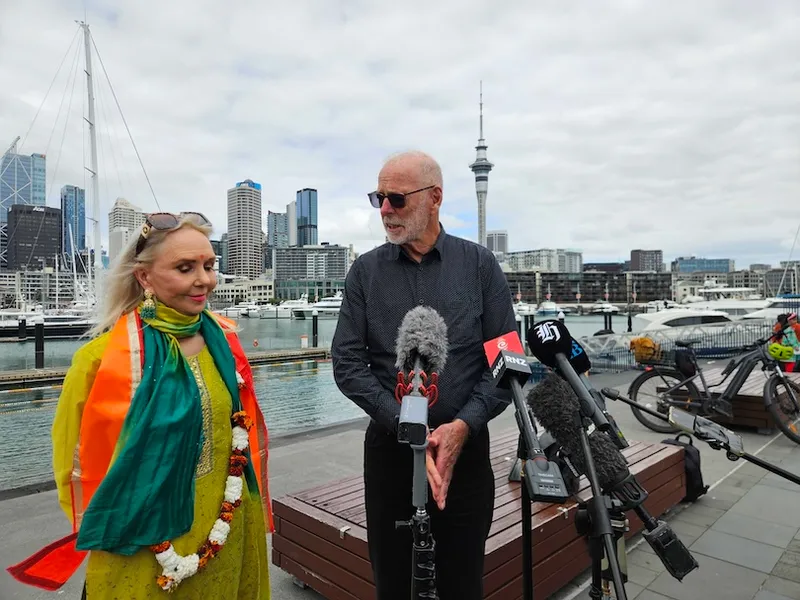
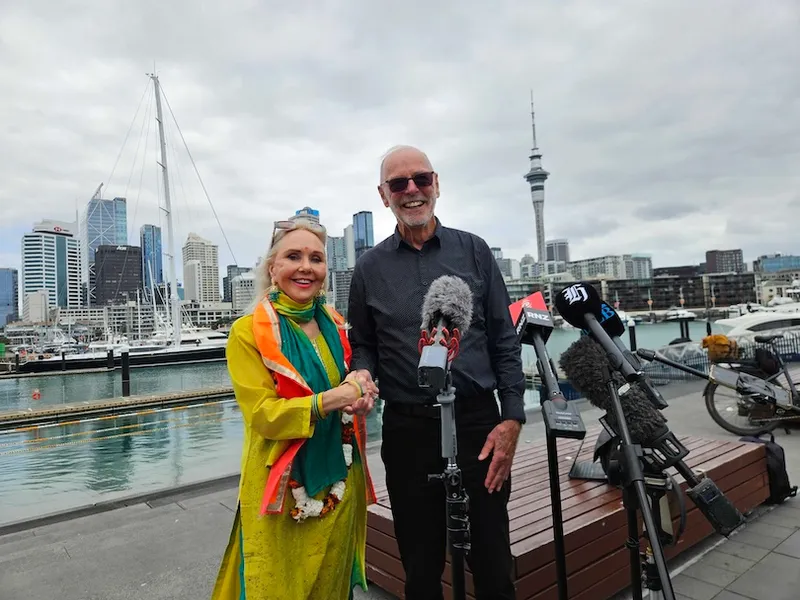
Newly re-elected Auckland mayor Wayne Brown says his priority this term is “taking on transport”, as Auckland Transport (AT) is scrapped and its powers transferred to council.
“We are going to produce a rational, sensible, fact-based, understandable transport plan,” Brown said at his victory speech at Browny’s pool, the harbour pool on Auckland’s waterfront, this afternoon. Asked if that plan could include surface-level light rain, Brown responded, “It might do. The Labour Party turned that into a four letter word, but it’s not a bad idea.”
On the council’s recently passed housing intensification plan, Brown was critical of its opponents on council. “Some of the councillors have been rather disingenuous in the way they’ve presented that,” he said, adding that it may have hurt his allies in the Albert-Eden ward and other intensifying places.
On Auckland’s abysmal voter turnout, Brown said he thought it might relate to rising numbers of renters, and said he would like to see a ballot day held to improve voting numbers. “I’m old school.” When it was pointed out that he had voted against such a thing, deputy mayor Desley Simpson, who had just come from Diwali celebrations, stepped in to say, “That was a cost thing.”
Asked if he was frustrated that central government hadn’t reformed local elections, Brown replied that he was mad that they hadn’t done a bed levy instead. “We have a list of things we want them to do and they’d better do them”
On rates rises, Brown said anyone who promised not to raise rates next term was “committing us to having a railway with no one in it”.
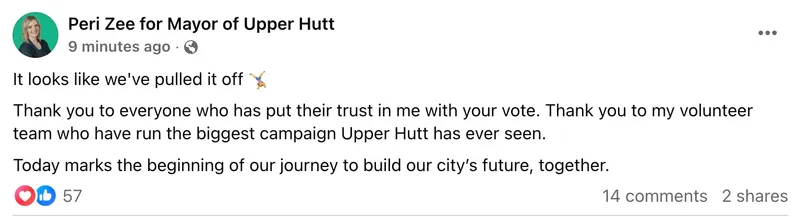
Peri Zee is the new mayor of Upper Hutt (says Peri Zee)
Upper Hutt mayoral candidate Peri Zee has posted on Facebook suggesting she has succeeded in unseating long-time incumbent Wayne Guppy.
“It looks like we’ve pulled it off,” wrote Zee moments ago, before thanking her volunteer team. “Today marks the beginning of our journey to build our city’s future, together.”
Preliminary results have not yet been published but The Spinoff understands winning candidates are contacted ahead of publication. The Spinoff also understands that Guppy, who has been mayor of Upper Hutt since 2001, is not hosting an election party this year and has instead opted to watch the NPC quarter finals.
Zee was subject to abusive emails and rumour throughout her campaign.
Napier has a new mayor
Richard McGrath has comfortably beaten two-term Napier mayor Kirsten Wise, according to progress results.
McGrath has received 8,781 votes to Wise’s 5,508, with third candidate Nigel Simpson getting 3,332.
Tania Tapsell wins second term as Rotorua mayor
Despite preliminary results not yet published, two candidates for Rotorua mayor have confirmed incumbent Tania Tapsell as the winner.
Tapsell told Rotorua Daily Post that she had won more than an hour ago. Fellow candidate Haehaetu Barrett confirmed Tapsell’s win to the Post. “I didn’t make it this time,” she said. “Tania won.”
Auckland ward results are in
The ward races were more exciting than the mayoral contest in Tāmaki Makaurau this year, reckoned Hayden Donnell, and the progress results of those thrilling contests have just dropped. The overall result is predicted to give council a slightly more conservative bent this term.
In Albany, Wayne Brown’s ally Victoria Short has ousted one of the mayor’s detested “Albanians”, Wayne Walker, while Walker’s buddy John Watson has retained his seat.
In Whau, Sarah Paterson-Hamlin has beaten Craig Lord to replace outgoing councillor (and runner-up in the mayoral race) Kerrin Leoni.
In the North Shore, Richard Hills has retained his seat, with the outgoing Chris Darby to be replaced by John Gillon.
Bo Burns is joining Maurice Williamson as a Howick councillor, taking the place of the retiring Sharon Stewart.
Daniel Newman has retained his Manurewa-Papakura seat, to be joined by Matt Winiata, who’s replacing the outgoing Angela Dalton.
Mike Lee has retained Waitematā with a decisive victory over City Vision’s Patrick Reynolds.
Shane Henderson and Ken Turner have retained their Waitākere seats, as have Christine Fletcher and Julie Fairey in Albert-Eden-Puketāpapa.
Josephine Bartley has retained Maungakiekie-Tāmaki, Andy Baker has held his seat in Franklin, Greg Sayers has been re-elected in Rodney, Lotu Fuli and Alf Filipaina have held their seats in Manukau, and Desley Simpson, as we already know, because she had no challengers, has been re-elected in Ōrākei.
Buller mayoralty too close to call
It’s a close, close race in Buller, with incumbent Jamie Cleine staring down the barrel of an upset to businessman Chris Russell. Even more surprising is a third contender in sitting councillor Linda Webb just 28 votes behind Cleine. Buller voter turnout is high this year, at more than 45% already, so special votes will prove the decider.
RUSSELL, Chris / 1,250
CLEINE, Jamie / 1,115
WEBB, Linda / 1,087
Read Shanti Mathias’s write-up of the Buller contest here.
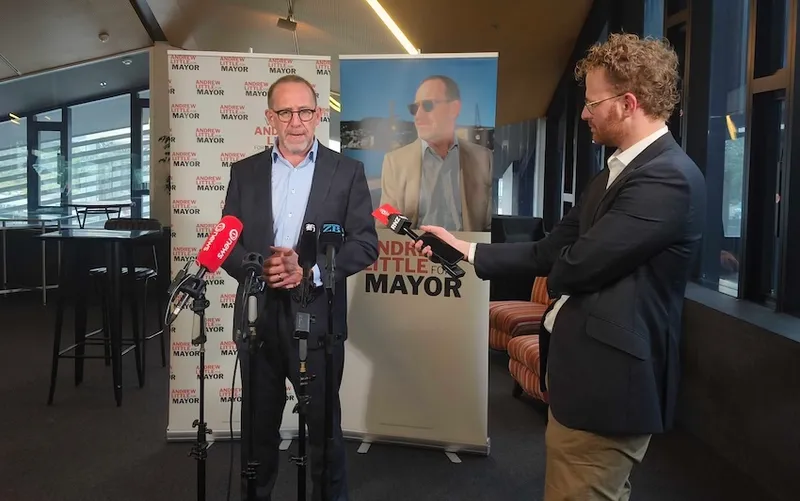
Andrew Little is the new mayor of Wellington, according to Andrew Little
The progress results are yet to land on the Wellington City Council website, but Andrew Little has secured the mayoralty, according to Andrew Little himself (according to our man on the ground Joel MacManus.)
The former Labour minister was the frontrunner to replace Tory Whanau, who is stepping down after a single term as mayor.
Little is speaking to media now, and said he’d be celebrating with “a little bit of conviviality”.
South Taranaki votes to remove Māori ward
South Taranaki has voted to remove its Māori ward, with a comfortable majority against. Meanwhile incumbent Phil Nixon has comfortably retain his mayoral seat.
I vote to REMOVE Māori Wards / 3,540
I vote to KEEP Māori Wards / 2,689
Western Bay of Plenty votes to remove Māori ward, Masterton vote too close to call
Western Bay of Plenty District Council will be scrapping its Māori ward from 2028, with the results of the binding poll 7,080 to 4,793.
On progress results, Masterton has voted to keep its Māori ward by 3,544 votes to 3,390, which could change once the special votes and Saturday votes are counted.
Whanganui elects incumbent for second term, keeps Māori ward
Andrew Tripe is set to be Whanganui mayor for another three years.
With 85% of the vote counted, Tripe is sitting on 7,684, with Josh Chandulal-Mackay on 4,153.
Progress results also indicate Whanganui will retain the Māori Ward for the 2028 and 2031 local elections, though it is a reasonably close call.
I VOTE TO KEEP THE MĀORI WARD / 6,663
I VOTE TO REMOVE THE MĀORI WARD / 6,213
Māori ward to go in Marlborough, Porirua and South Wairarapa vote to keep theirs
The Māori ward will be removed from Marlborough District Council, with progress results showing 7,251 votes in favour of removing it and 5,044 in favour of retaining it.
In Porirua, locals have chosen to keep the Māori ward by 7,404 votes to 5,622. In South Wairarapa, the Māori ward will remain too, with 2,117 voting to keep it and 1,733 voting to scrap it.
Andrew Little plans to celebrate with ‘a little bit of conviviality’

New Wellington mayor Andrew Little has revealed he made the decision to stand fairly late in the piece. “This was not in my life plan a year or so ago but I saw some challenges, I thought I was well placed to get stuck in on,” he told media and supporters at Wharewaka Function Centre on Taranaki Wharf, where he was planning to celebrate with “a little bit of conviviality”.
He was undecided on running earlier this year and says the thing that flipped his decision was the fact that Wellington didn’t apply for a regional deal with the government.
When asked for any message to rival Ray Chung, who is likely to have won a council seat, he says he expects the campaign to end now and for all councillors to work productively.
On amalgamation with other councils, Little said, “I think the way people think about and live their lives in this region is changing and local government should reflect that.”
On the issue of central government possibly instituting a rates cap, Little said such a move would “take responsibility and accountability away from local councils”.
A Māori wards poll update
Here’s what we know so far:
VOTED TO KEEP
Rotorua Lakes Council
Hutt City Council
Porirua City Council
South Wairarapa District Council
Whanganui District Council (6,663 to 6,213)
Masterton District Council (3,544 votes to 3,390)
VOTED TO REMOVE
Rangitikei District Council (2,211 to 2,029)
Taupō District Council
Western Bay of Plenty District Council
Waipā District Council
Tararua District Council
Full Wellington results in: Ray Chung third in mayoralty race, Tory Whanau out of council
The numbers are out for Wellington and Andrew Little’s majority in the mayoral contest is huge: 34,240 votes to Karl Tiefenbacher’s 8,807, with Ray Chung coming in third place with 6,838 votes. Alex Baker came fourth with 4,696 votes, and Diane Calvert fifth with 3,123.
Outgoing mayor Tory Whanau has lost to Labour candidate Matthew Reweti in the Te Whanganui-a-Tara Māori Ward, who got 1,042 votes to Whanau’s 713, meaning the former mayor is now out of the council entirely. On Bluesky, Tory Whanau conceded defeat: “I was not successful in winning the Māori Ward. It would have been an absolute honour but democracy has spoken. A huge congratulations to @ponekematt.bsky.social who will be an amazing Councillor and serve our people well”.
A clear majority chose to keep the Māori ward, with 38,125 votes in support of retention compared with 19,622 against.
In one of the most interesting ward races in Wellington, Rebecca Matthews has held onto her seat in Onslow/Western after being unofficially booted from Labour and jumping to the Greens.
A new mayor for Upper Hutt for the first time in 24 years

For the first time since 2001, Upper Hutt has found a new mayor in the form of 34-year-old Peri Zee. The former transport adviser has snatched the mayoralty by 999 votes, ending 24 years of Wayne Guppy’s reign, who took over from Rex Kirkton in 2001 (Kirton had been elected in 1977).
Celebrating the historic day at Brewtown, Zee made her first mayoral promise to The Spinoff: she will not be a serial runner in the town’s mayoralty for the next few decades like those who have previously held the top job.
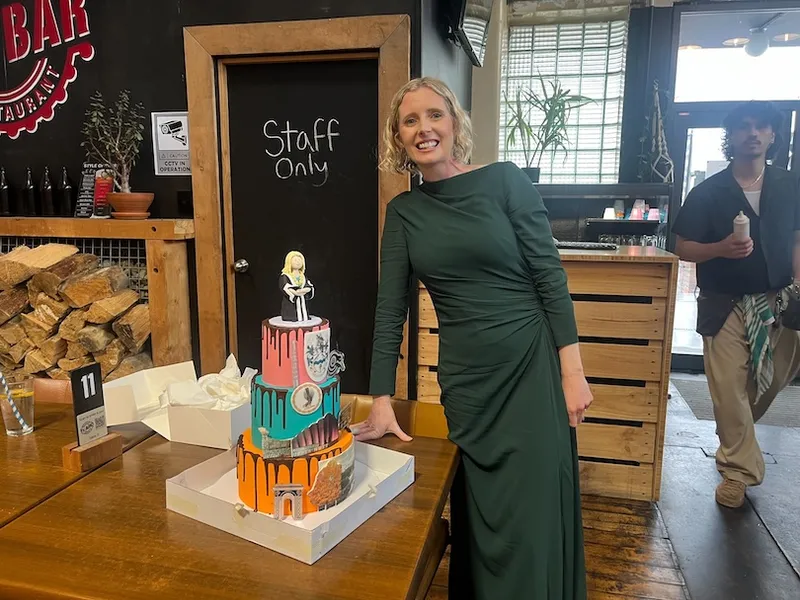
Off the bat, Zee said she was excited to improve the council’s transparency processes: “That’s the big work we need to get done. From day one, we’re in reset mode, so we need to make sure those expectations are set from the start.” Upper Hutt has had the highest voter turnout in the Wellington region, and Zee chalks that up to a “mood for change” on the streets.
Zee’s campaign has been marred at moments by online abuse. She said dealing with this on the campaign trail had taught her to “stretch my ignore muscle as much as possible” and that she felt “very confident” in her ability to “sideline” some of the more abusive rhetoric she’d received.
As for Guppy? He hasn’t yet called Zee to concede, and earlier today let The Spinoff know he was celebrating the big day by watching the NPC quarter finals.
More notable results in Wellington – Ray Chung nearly loses council seat
In Wharangi/Onslow-Western ward, Ray Chung came close to losing his council seat. He was the top-polling candidate in 2022, but this election he was fourth on first-preference votes and only jumped ahead of Labour’s Joy Gribben after seven rounds of vote counting. Chung currently holds a 437-vote lead, which could change on special votes. Diane Calvert was the top-polling candidate in the ward, while former Labour-turned-Greens councillor Rebecca Matthews was second.
In Takapū/Northern ward, Labour’s Ben McNulty roared home with a huge margin on first-choice votes, enough to have been elected twice. Tony Randle finished second, while incumbent John Apanowicz was narrowly turfed out by Andrew Compton, a former member of Independent Together.
Pukehīnau/Lambton ward was a predictable race. George Rogers and Nicola Young have been re-elected, and Labour’s Afnan Al-Rubayee will fill the seat vacated by Iona Pannett.
Paekawakawa/Southern ward, too, was predicable, with Laurie Foon and Nureddin Abdurahman elected with wide margins.
In Motukairangi/Eastern Ward, where no incumbents were running, mayoral runner-up Karl Tiefenbacher won the race, while Labour’s Sam O’Brien and the Greens’ Jonny Osborne also picked up seats.
The new Wellington City Council will include five Labour councillors and four Green councillors, plus Andrew Little, giving the left a healthy governing majority (10 out of 16 votes). Despite opposition to “party politics” being a major theme of the campaign, voters have chosen an increased number of party-aligned candidates.
A buoyant mood at the City Vision election party
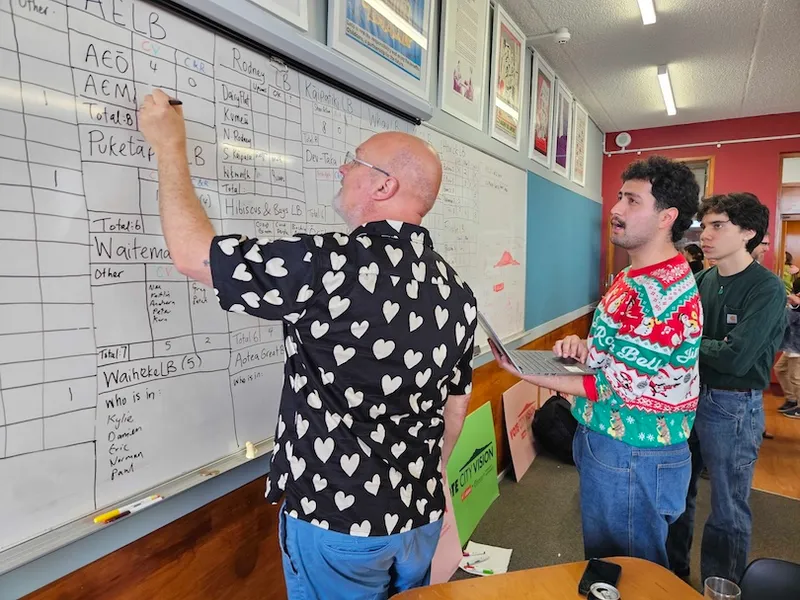
At the City Vision election party at the Trades Hall in Grey Lynn, the mood is pretty buoyant. Whoops can be heard as The Spinoff enters. “Wayne Walker’s gone,” someone shrieks, before clapping loudly. Ōwairaka campaign manager Myles Thomas is filling out the organisation’s whiteboard of results, and provides a more diplomatic summary. He says they’re extremely happy with the Waitematā local board, where the alliance has won five of seven seats. They’re gutted about the result of the Puketāpapa local board, where Jon Turner may be the only progressive left to argue with the five C&R candidates provisionally elected. Turner is skipping today’s party with food poisoning, and might be having the worst day of anyone in Auckland.
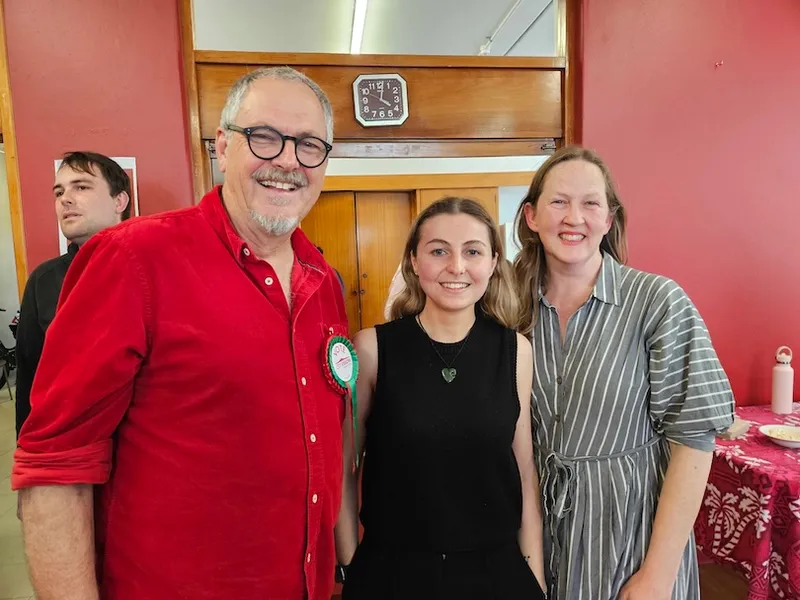
Cheers are breaking out as winning candidates enter. It’s loud for Julie Fairey, who’s been returned to council in the Albert-Eden-Puketāpapa ward. But the biggest celebration so far has been for Caitlin Wilson, who Lyric Waiwiri-Smith interviewed earlier in the campaign. The 21-year-old social media manager for the Auckland City Mission won the second-most votes for Waitematā Local Board. She’s been using her campaign as a vehicle to get young people interested in local politics and wants to continue that work on the board. “Twenty percent turnout is not OK,” she says. Wilson will have a lot to do. Local boards are set to take on extra transport responsibilities this term as Auckland Transport gets moulded into the council.
Chris Hipkins: Left wins in Wellington a ‘clear rejection’ of central government rhetoric
Labour leader Chris Hipkins was with the Peri Zee crowd at Brewtown in Upper Hutt when the new mayor and Andrew Little’s wins were announced. Hipkins told The Spinoff that wins for the left across the Wellington region show a “clear rejection” of the government “trying to blame councils for a situation that central government has contributed to”.
On his former party leader Little, Hipkins said Wellington’s new mayor will be a “steady, calm and sensible leader”. He’s “encouraged” by the “good centre-left vibes” in the local council results, which have also seen Labour-aligned Ken Laban take the Lower Hutt mayoralty.
Hipkins has already sent a commisserate message to Wayne Guppy, and is looking forward to working with Zee. “I’ve made a conscious effort as a member of parliament not to be out front in local elections because I will work with whoever gets elected, but I do know Peri, and I think she’ll be a great mayor for Upper Hutt.”
Photo finishes likely in Kaipara and Whangārei mayoral races
Just 74 votes separate three candidates in the Kaipara District mayoral race with progressive results just released. Incumbent Craig Jepson, the self-proclaimed “Trump of the north” did not stand for reelection, leaving four men vying for the top spot on Kaipara’s District Council. Current deputy mayor Jonathan Larsen leads businessman Snow Tane and former two-term mayor Jason Smith but really any of the candidates could come out on top after special votes have been counted.
LARSEN, Jonathan / 2,534
TANE, Snow / 2,482
SMITH, Jason / 2,460
Read more: An evening with the four men vying to replace the ‘Trump of the north’
Meanwhile next door in Whangārei, incumbent Vince Cocurullo narrowly leads councillor Ken Couper by just 67 votes.
COCURULLO, Vince / 9,841
COUPER, Ken / 9,774
A vote that can be declared now, however, is Whangārei’s vote to remove its Māori ward for the 2028 and 2031 elections, as well as the Northland Regional Council Māori constituency.
I vote to REMOVE Māori wards / 13,525
I vote to KEEP Māori wards / 10,177
Max Brough is the new New Plymouth mayor
Turns out setting up your own “mayoral office” is the kind of confidence that wins elections: Max Brough has won the New Plymouth mayoralty, with progress results giving him 9,637 votes to his nearest competitor’s 3,892 (that’s David Bublitz).
New Plymouth has voted to remove Māori wards, 10,889 to 7,880.
Progress results give Sophie Barker the Dunedin mayoralty, by a whisker

The mood was light and bright at Sophie Barker’s Ōtepoti Dunedin home this afternoon. Moments before The Spinoff arrived, Barker received a progress voting update that showed her to be leading the mayoral race by 100 votes over Andrew Simms. Dunedin residents waited until the last minute to vote, with 9,400 ballots made just this morning, which have been flown up to Christchurch for counting. Official results are expected by 11pm tonight.
Barker, who has been a Dunedin city councillor for two terms, admitted to feeling “shell-shocked” to be leading the race. “It’s always going to be a bit nerve-racking until all those votes are counted,” she said, adding that the campaign has been a challenging one.
“It started quite early, and I made a promise to myself and to the other female councillors that we would get through with grace and dignity,” she said. Barker was excited at the possibility of becoming the city’s second female mayor since Sukhi Turner was elected 30 years ago.
Barker said she thought the vote indicated Dunedin was ready for change and strong leadership. A small group of friends and family – resplendent in various shades of pink – have gathered at Barker’s home for a pink garden party (it’s 25 degrees in Dunedin today) and Barker said she planned to celebrate tonight by attending the Kuma Māori Business Awards. “I’m going to watch other people get awards, which will be fantastic.”
Māori ward poll results so far: 12 to stay, 12 to go
VOTED TO KEEP
Rotorua Lakes Council
Hutt City Council
Porirua City Council
South Wairarapa District Council
Whanganui District Council (6,663 to 6,213)
Masterton District Council (3,544 votes to 3,390)
Whakatāne District Council
Gisborne District Council
Palmerston North
Kāpiti District Council
Wellington City Council
Hamilton City Council (13,600 to 13,010)
VOTED TO REMOVE
Rangitikei District Council (2,211 to 2,029)
Taupō District Council
Western Bay of Plenty District Council
Waipā District Council
Tararua District Council
New Plymouth District Council
Napier District Council
Hastings District Council
South Taranaki District Council
Horowhenua District Council
Whangārei District Council
Hauraki District Council
Grant Smith stays mayor of Palmerston North
Incumbent Grant Smith, who was first (by)elected mayor in 2015, will retain his seat at the head of the Palmerston North city council, earning more than triple the votes of his next closest competitor.
Meanwhile, Palmerston North has voted to keep its Māori ward for 2028 and 2031.
I vote to KEEP Māori wards / 9,769
I vote to REMOVE Māori wards / 8,366
Ray Chung’s message to Wellington voters
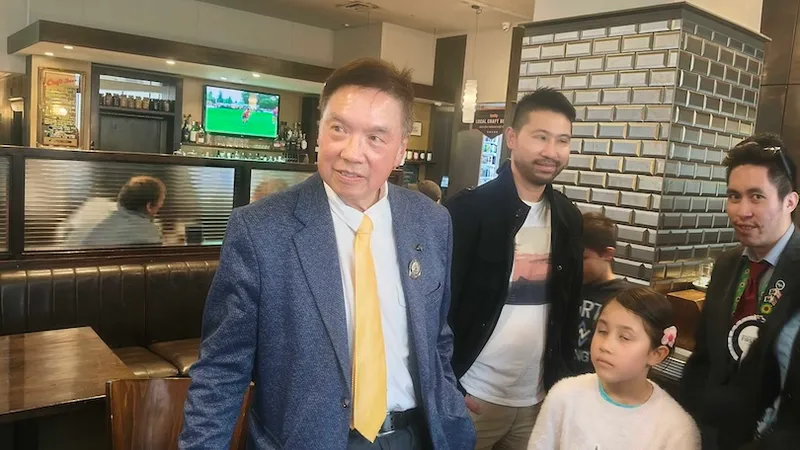
Defeated Wellington mayoral candidate Ray Chung, who narrowly retained his Wharangi/Onslow-Western ward seat, said his message to voters was: “This is what you’ve chosen. Live with it.”
“I don’t think they know what they voted for. I don’t know if they realise the implications of getting more party politicians on council.”
He accused mayor-elect Andrew Little of lying to voters in his campaign. “He said that he would lower the rates but he doesn’t want to cut anything out. So how’s he going to do it? He’s lying about something. What will he do? I don’t know.”
Chung predicted that under the new council, Wellington would lose more people.
When asked if he would work constructively with Andrew Little, he wasn’t sure. “We’ll see when I have a discussion with him.”
He said he hasn’t had enough time to consider what went wrong with his campaign, but he pointed to media bias as one possible cause for his loss. “We feel that the media has actually been against us from the start. As soon as Andrew Little announced, [the media] was all over him.”
‘Super Saturday’ for Hamilton
More than 5,500 ordinary votes were cast today in the Hamilton City elections, meaning the final counts may differ significantly from progress results. But currently, former National Party MP Tim Macindoe is leading the mayoral race (though frustratingly, HCC has elected not to include actual vote counts). Sarah Thomson is second – by how much? Who knows!
Macindoe is also currently leading the polling in the East ward, which will have to be recounted if he wins the mayoralty. Thomson leads the West ward Maria Huata leads the Kirikiriroa Maaori ward.
Read more: The battle for Hamilton: A former climate activist takes on a former National MP
The Maaori ward poll vote is too close to call, with a narrow lead for the KEEPs.
I vote to KEEP Maaori wards / 13,600
I vote to REMOVE Maaori wards / 13,010
As if to honour this momentous day of civic engagement, a staff member at the Mt Eden pub from which I’m typing has accidentally left the entire Hamilton (the musical) soundtrack on their playlist. Every second song is a random Hamilton song which then gets skipped after about 30 seconds once another staffer realises. So far I have heard the first 30 seconds of six Hamilton songs and the entirety of ‘My Shot’ (unsure if deliberate or no one noticed).
Mauger celebrates his decisive victory in Christchurch

Christchurch mayor Phil Mauger, elected for a second term, welcomed journalists to his Avonhead home, looking calm and happy with his result.
“Twenty thousand is a big number,” he said, referring to his lead over challenger Sara Templeton. “I’m just very grateful for all the people of Christchurch who have voted for me and they’re obviously happy with what I’m doing and where we’re heading.
The low turnout in the election was disappointing, he said. “Maybe we’ve got to try harder or use a different system, like the general election.” Despite council’s push to get more people voting, only 33.42%% of eligible people in Christchurch voted, according to preliminary results.
Mauger’s focus for the next term is to reduce debt. “People say debt is fine, but not the amount we’ve got,” he said. “A lot of our rates are getting gobbled up in debt servicing.”
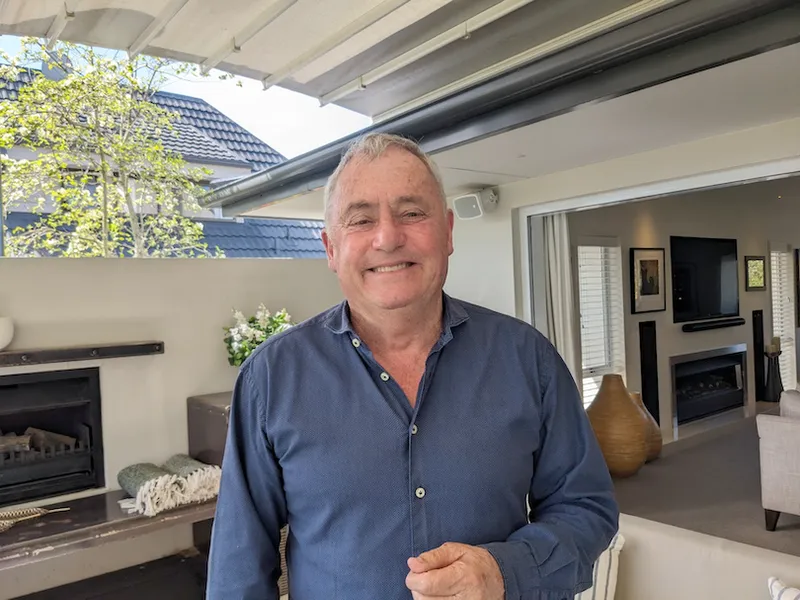
Incumbents were re-elected in 14 out of 16 wards on Christchurch City Council. Nathaniel Herz Jardine, from the Labour-aligned People’s Choice ticket, will represent Heathcote, and David Cartwright of the Independent Citizens ticket won the Fendalton seat.
“We’ll always have our differences, but we need to be pulling the rope in the same direction,” Mauger said.
In his first term, Mauger pushed to get Christchurch City Council to bid for hosting the Commonwealth Games. While that option has been roundly rejected, Mauger remains convinced that Christchurch is “going to be the sporting and events capital of the country by a long shot”.
The highlight of the election campaign was going to mayoral forums and meeting people, Mauger said. “You’ve got to meet the people out there, the ones that are feeling it,” he said. “I don’t like being in the office at work very much, but you have to be for some things.”
While days in the office are certainly ahead, Mauger has another three years to meet Cantabrians — no wonder he looks happy.
Far North mayor Moko Tepania wins second term
Incumbent Moko Tepania will be mayor in the Far North for another three years. He beat out Ann Court and Joshua Riley but it’s so far unclear how comfortably as no vote tallies have been included in progress results.
Meanwhile, the Far North District Council will keep its Māori ward with a reasonably comfortable vote in favour.
I vote to KEEP Māori wards / 10,980
I vote to REMOVE Māori wards / 9,292
Kawerau mayor back for second term, Māori ward to stay
Faylene Tunui has retained her mayoral seat in Kawerau, with 1,336 votes, more than double the votes won by her only competition Carolyn Ion.
Kawerau has also voted overwhelmingly in favour of keeping its Māori ward.
I vote to KEEP Māori wards / 1,247
I vote to REMOVE Māori wards / 592
Subdued vibes at the C&R election party, but Champagne Lady has her Champagne
It’s subdued at the C&R election party at The Good Home in Onehunga. Maybe disappointment is killing the vibe. The ticket lost the Waitematā Local Board comprehensively, taking only two of its seven seats, and one of its candidates there – champagne lady Anne Batley-Burton – is now drowning her sorrows in effervescent alcohol. “So disappointing, but hey, it was a hell of a ride,” she told The Spinoff. “And you know, as Napoleon once said, in victory we deserve it and defeat we need it, so here I am having a glass – or it’ll probably end up a bottle – of my amazing Champagne Jacquard. Cheers.”
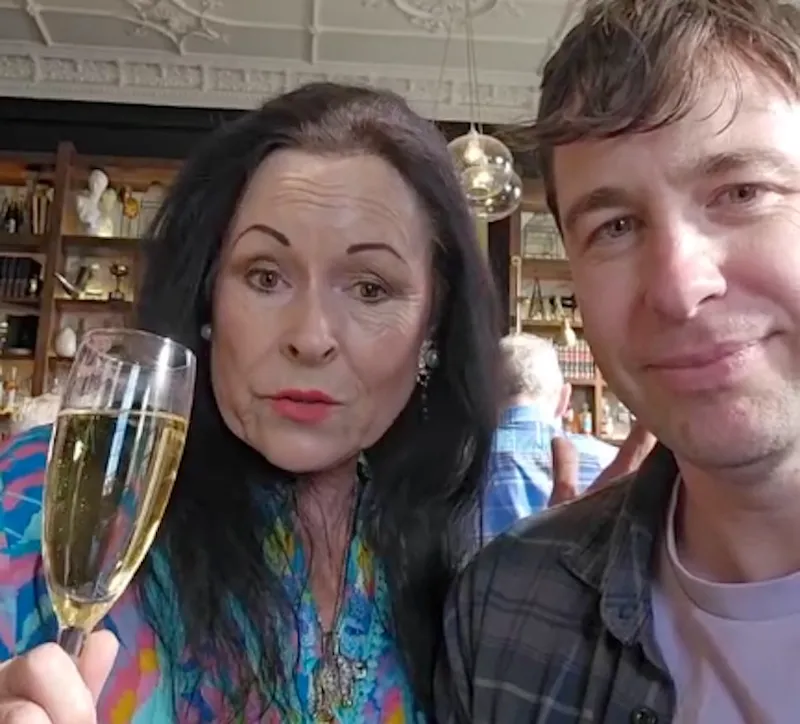
But maybe the slight downbuzz is thanks to confusion. People are doing sums in their heads. Waitematā is gone, but C&R picked up seats on the Albert-Eden-Puketāpapa Local Board, and the council overall leans a bit more conservative than last term. They also now control the Maungakiekie-Tāmaki Local Board for the first time.
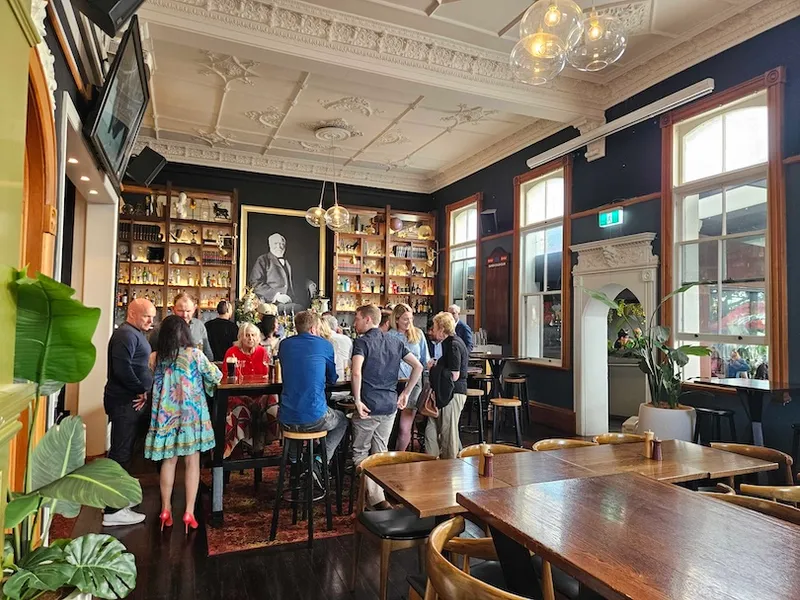
The ticket’s campaign director, who insists on being referred to as “campaign director” and not by her real name, says she grades the election 8/10. She’s talking up the wins. Christine Fletcher being returned as a councillor in Albert-Eden-Puketāpapa. An ideological ally, John Gillon, being voted in on the North Shore. Local board gains in Howick. One of the few Waitematā board survivors, Sarah Trotman, is also putting a positive spin on things. Two terms ago she was the only C&R candidate on the board, so being one of two this time is more of a return to the norm, she says.
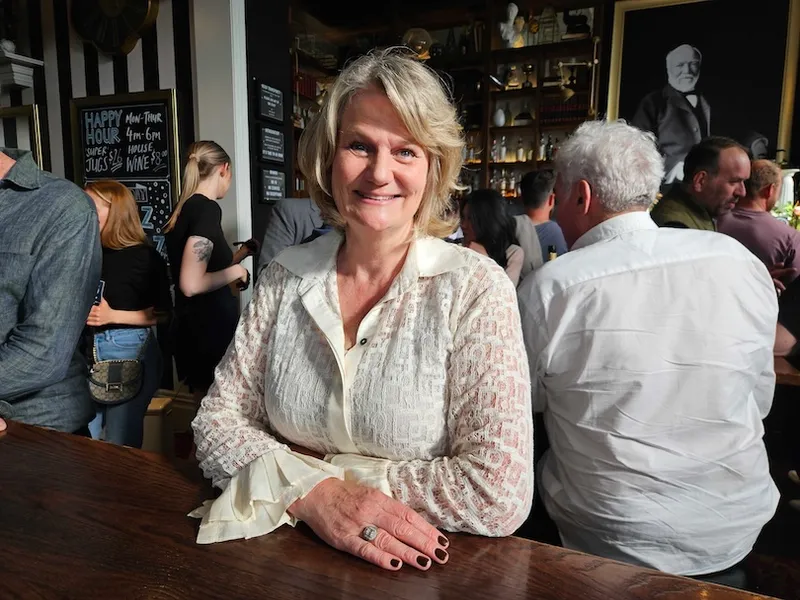
‘Council isn’t always a safe place to be’: Sara Templeton reflects on harassment and losing the Christchurch mayoral contest
There are a lot of bikes parked outside Scoundrel, a bar in Christchurch’s CBD where mayoral candidate Sara Templeton is commiserating and celebrating with supporters. “I’m disappointed, obviously,” she told The Spinoff, as retiring Environment Canterbury councillor Vicky Southworth handed her a beer.
Templeton spoke extensively about the toll of harassment particularly faced by her and other women councillors. “Council isn’t always a safe place to be,” she said. But “having an amazing team of volunteers is a counter to that”. Making councils and governance more inclusive is “work worth doing”, Templeton said; she has already had “several conversations” about how she can continue to do that work now she won’t have a council role.
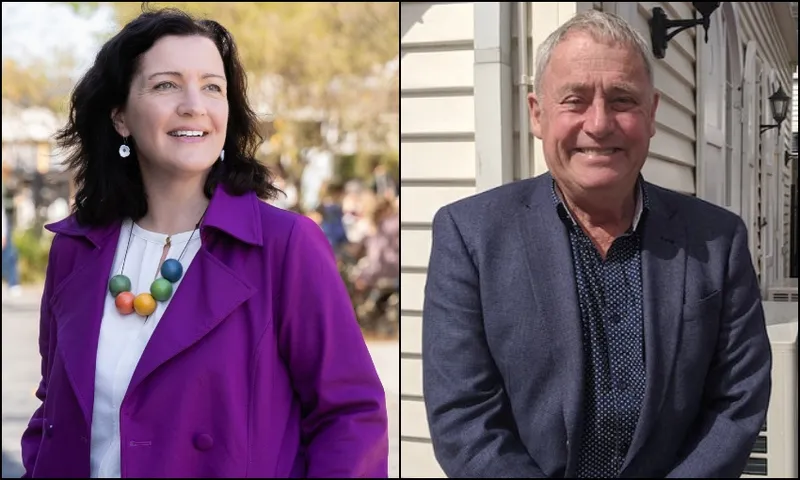
Despite her loss, to a significant margin of 20,000 votes, Templeton said she had experienced “personal growth” through the campaign and had the opportunity to build community. “People in Christchurch were so used to building community in crisis – the earthquakes, March 15, the pandemic.” But her “shared positive vision for the future” made it feel “like it wasn’t just my campaign – it was our campaign”. Despite the negativity from figures like councillor and Mauger ally Sam McDonald, who called her “Cycleway Sara” when she announced her candidacy, “community is the counter to the ugliness of politics”, she said.
Nathaniel Herz Jardine, a People’s Choice candidate, is an “amazing” replacement for Templeton in the Heathcote ward, she said. With lots of incumbents returning, the council is “by and large progressive”; she’d like to see her supporters continue engaging with council processes. “It has been an absolute privilege to serve and to see Ōtautahi grow and evolve. I’ve been proud to lead council’s efforts to make progress in the climate change space, both in lowering our emissions and planning for the challenges and opportunities coming our way,” she said in a press release.
Templeton is looking forward to being “out of the public eye” – getting to be part of Ōtautahi’s future from beyond the council table. For now, though, there’s a whole evening of hugs, friends and volunteers to see and a campaign to commemorate. When The Spinoff left, someone was talking about shots.
Greens celebrating despite Whanau loss
It’s been a big day for Wellington’s leftists. Gathered at one of the capital’s famously socialist pubs, the Green Party has been celebrating the wins of Rebecca Matthews, Laurie Foon, Geordie Rogers and Yadana Saw, minus one heavy hitter – former mayor Tory Whanau, who lost in the Māori ward race and is yet to join the celebrations. Foon told The Spinoff that despite her own win in the Paekawakawa/Southern Ward, she’s “bummed” about losing Whanau.
There’s bubbles, beers and a whole lot of body heat inside the bar, with speeches MCed by Green Party MP Julie Anne Genter. Matthews, who switched to the Greens this year after two terms as a Labour-backed councillor, told The Spinoff the local elections results were a “rejection of the horrible stuff that’s happened in this campaign”, and said she was “excited” to get stuck into council policy and progress a switch to land value rates. “I would like to thank Better Wellington for making us better,” she says, “and your gross divisive rhetoric showing us what we don’t want.”
Rogers, now serving a second term as Lambton Ward rep, told The Spinoff he was excited to make sure Wellington was a city people wanted to stay in. “Making sure there is more housing options, particularly for people in our low incomes, people who are working at our restaurants, at our cafes, to be able to live right where they work, experience the culture that they help create, is going to be absolutely transformational for our city,” Rogers said. “That’ll be my absolute first priority.”
Overall, the vibes with the Greens are largely victorious. But the loss of Whanau from council is still hanging heavily in the air.
Māori ward poll results: 25 to go, 17 to stay
With all 42 Māori ward referendum progress results in, below is the full list of councils that voted to retain Māori wards and those that voted to remove them for the 2028 and 2031 elections. It’s important to note that some of these results were very close, so once vote totals are confirmed, the outcomes may change.
Of the five regional councils that polled voters, only Greater Wellington Regional Council voted to keep its Māori ward.
Which kind-of-famous people were triumphant in local elections this year?
In August, Alex Casey rounded up all the “celebrities” running in local elections this year. So how’d these semi-famous faces go today?
As reported earlier (see 6.10pm update), The Real Housewives of Auckland’s Anne Batley-Burton did not make it on to the Waitematā Local Board, coming ninth in a field of 20 (the top seven are elected). Someone who did win one of those seven spots, however (and who Alex understandably missed when compiling her round-up due to his quite dull name), is actor Peter Elliott, who diehard late 90s Shortland Street fans (just me?) will know as Dr David Kearney. Elliott was running on the City Vision ticket.
Also in Auckland, comedian Jamaine Ross came not quite last in a field of 20 for the Waitākere Ranges Local Board, which will no doubt be a relief. Oscar Kightley, meanwhile – who did actually want people to vote for him – easily made it on to the Henderson-Massey Local Board on the Labour ticket. For the GotheWhau commenter on the original celeb post, actor/voice-of-the-trains/cousin-of-The-Spinoff-editor Fasitua Amosa absolutely romped home to retain his Whau Local Board spot, winning more votes than anyone else.
Down in Whanganui, Michael Organ, famous for his star turn in the David Farrier documentary Mister Organ, did not succeed in his bid to be elected as a councillor, and nor did Teal Mau (of My Kitchen Rules fame) in the Pukehīnau/Lambton Ward in Wellington. Neither did Pennywize the Clown win the Wellington mayoralty, though he did get more votes than the silly hat guy and the Auckland urbanist guy, both of whom, sadly, got more votes than the legend Don McDonald.
Actor Will Hall won a spot on the extremely lengthily named Heathcote Ward of the Waihoro Spreydon-Cashmere-Heathcote Community Board in Christchurch, while Dunedin Study participant and ringmaster Mandy Mayhem was re-elected to Dunedin council, and placed much higher than both the silly hat guy and the vampire in the mayoral race.
Down in Invercargill, NZ Idol/X Factor NZ star Steve Broad cruised home to retain his council spot, getting the most votes of anyone (mayoralty next time, Steve?). Marcus Lush won a council place too, coming fourth in the popularity contest (there are 12 seats in total, so he did quite well really). Over at the Invercargill Licensing Trust, country music legend Suzanne Prentice and rugby ref legend Paddy O’Brien easily retained their seats.
Voter turnout down nationwide, calls for urgent change to system
Taking into account all today’s progress results, voter turnout is well down on 2022, according to Local Government NZ – it’s sitting at 32.65%. While votes cast today and special votes are not included in that total, it’s not looking good. In 2022, progress results were 36% and the final turnout was 42%, very close to what it was in 2013, 2016 and 2019. The line on the graph below is likely to head noticeably downwards when we get the final results for 2025.
“While provisional voting results are still coming through, initial numbers show that voter turnout is down from 2022,” said LGNZ interim chief executive Scott Necklen in a press release. “It is clear that the system needs to change urgently, before the next election. LGNZ has been calling for changes to the postal voting system for years – in July we put forward a suite of recommendations to improve turnout. We are working with the government and councils to implement these for the 2028 election.”
Turnout was higher in provincial and rural areas than in the cities, with metro turnout sitting at 28.8%, provincial at 38.3% and rural at 43.6%.


