Is lifting heavy vehicle restrictions worth potholes and noise?

Lifting heavy vehicle restrictions could be a sensible response to the fuel crisis, or it could invite new problems.
Another week, another fuel crisis headache. This time, the government is proposing lifting certain heavy vehicle restrictions, like how much weight they can carry and which roads they can use.
Action sounds good and the government says it will be a “boost to fuel efficiency”, allowing trucks to carry bigger loads so they can do fewer runs. Others, however, say it could just leave us with more problems down the road.
So, what exactly has the government proposed?
The government is considering four proposals: permitting heavier loads; reassessing EVs weight thresholds; allowing off-peak freight movement, and giving over-dimension vehicles more access, including to Auckland motorways and toll roads. In short, if this goes ahead you’ll be seeing more trucks carrying more weight at more times of the day on more roads.
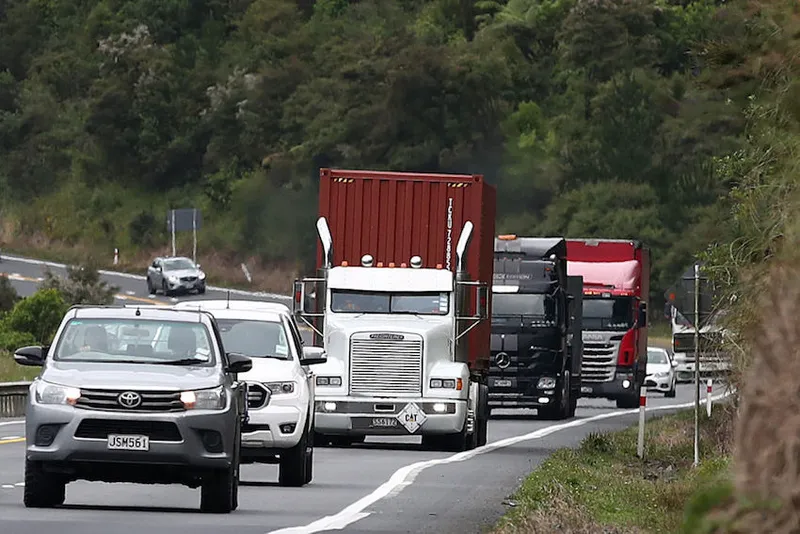
The government first floated it on Monday, but options to roll out changes could be ready before the end of the week. The government says it’s acting quickly in case the country needs to make a snap move to phase two of its fuel crisis response plan, however, the changes could be implemented while Aotearoa remains in phase one.
If the likes of industry association Transporting New Zealand has its way, the changes would be permanent, but finance minister Nicola Willis says they will be temporary, and NZ First minister Winston Peters says he doesn’t want them to go ahead at all.
How heavy are we talking?
That’s the detail that’s missing. Currently, commercial heavy vehicles can carry up to 44 tonnes on the roads, though this figure is also dependent on the vehicle’s axles. A heavy vehicle with seven axles can carry 45 tonnes, while a vehicle with eight axles can carry 46 tonnes – using the New Zealand method of visualising weight in the form of 1kg blocks of cheese, that’s 46,000 cheese blocks. How many more kilos of cheese will be stacked on top? We’ll have to wait and see.
How did the government arrive at this idea?
Through the Ministry of Regulation’s red tape tipline, which has already seen many groundbreaking wins, like lowering compliance costs for people who make cakes at home. By focusing on freight, the government hopes it can stave off restricting public fuel use and “ensure we can stay in Phase 1 for as long as possible”, regulations minister David Seymour said in a press release.
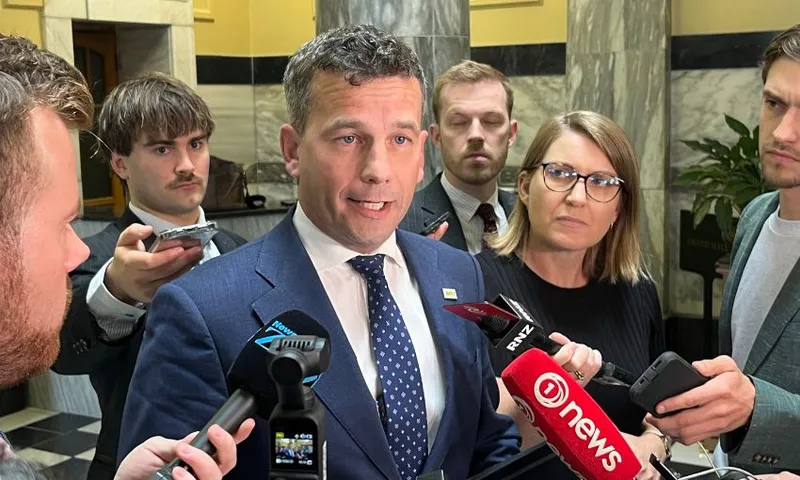
The freight industry has long been pushing for weight allowances to be lifted. Transporting New Zealand (TNZ) said it first called on the government to step in and provide relief to the freight industry in March.
“Heavier trucks use more diesel, but increased payloads reduce the diesel intensity per tonne of freight moved, that is clearly established from the data we’ve been able to provide officials,” TNZ chief executive Dom Kalasih said in a media release. The rising price of diesel has almost doubled since the fuel crisis began, Kalasih pointed out, leading to the cost of filling up a linehaul increasing by over $500 a day.
Sure, but don’t these limits exist for a reason?
Well, yeah. Transport minister Chris Bishop says these changes will come with compromises. “Heavier trucks have a bigger impact on the roads, it’s pretty simple,” Bishop told media on Tuesday. “There’s a trade-off… and not every road can necessarily cope with them. So we’re just working our way through that.”
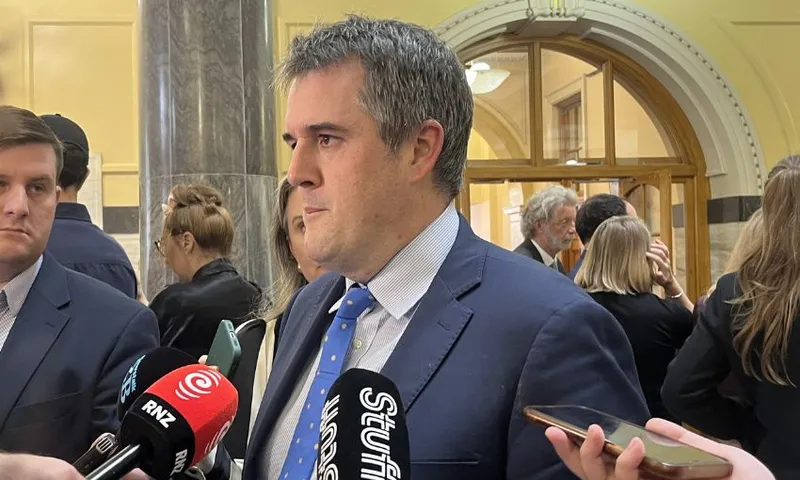
Labour leader Chris Hipkins made the same point. “Heavier trucks means potentially more money we’ll have to spend on maintaining roads. I think these [proposed changes] are, by and large, things that the trucking lobby have been asking for a long time, rather than things that are going to help us to save fuel,” he told RNZ.
What kind of wear and tear are they getting at here?
Let’s start with potholes. Physicist and science journalist Laurie Winkless told The Spinoff that potholes are created when water seeps into cracks in the road, causing erosion underneath the pavement. When that water freezes and expands in cold climates, it leaves a pothole.
“The two things that really cause roads to fail are the weight of the vehicles that are on the roads, and the weather conditions the roads have to exist through,” Winkless says.
This year there has already been a slew of severe weather events, including extreme rain and flooding. “We are already seeing the effects of climate change on our infrastructure … We are putting an additional layer of pressure on a system that is already under an immense amount of pressure.”
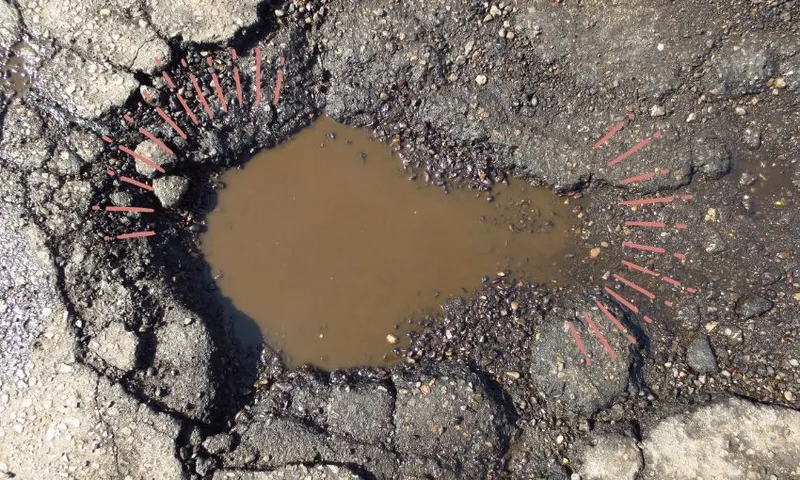
So, if we add heavier vehicles to the equation, things could get expensive. They’re “not always a cheap fix,” Winkless says. Costs typically fall on local councils for local roads and Waka Kotahi for damage on state highways. In Tararua, the district council passed a bylaw last year, which put further restrictions on heavy vehicles in the region to reduce the impact on the area’s roads.
Is that the only thing we’ll have to deal with?
Well, there’s also the noise problem. Heavy vehicles can make a lot of noise and create vibrations. It’s something that Waipā District Council has been dealing with lately, after a group of residents from Cambridge Rd, Pope Tce, Cook St and Shakespeare St presented the council with a petition calling for limits on overnight truck movements and urgent road repairs in March. Locals said trucks were causing constant noise and causing their houses to vibrate. A similar petition was presented to Gisborne District Council by residents of Whatatutu, with one resident telling RNZ their grandkids couldn’t get any sleep in the night.
Sandy, owner of Campbell Cottage (situated between Racecourse Rd and Cambridge Rd in Waipa), told The Spinoff she was worried about trucks, particularly ones that hadn’t been following the speed limit. “People fly down [Racecourse Rd], they’re probably well in excess of 100km/h,” Sandy says. It’s a road often used by horse riders, though Sandy said many have stopped taking their horses down due to the traffic, and a recent tragedy. “It was only a few weeks ago there was a horse that was hit by a concrete truck.”
So, is altering heavy vehicle rules worth it?
It depends who you talk to. National and Act think it’s a trade off. Deal with some consequences in order to respond to the fuel crisis. The Greens, Labour and NZ First are all aligned on a different solution: rail. Green Party co-leader Chlöe Swarbrick told The Spinoff that her party is concerned by the impacts the changes could cause on the roading network, and that the proposal “doesn’t seem well thought-through”.
She wonders why general advice to drivers to save fuel by reducing the weight of their vehicles seems to have been forgotten. “Were other ministers not listening to Nicola Willis when she was telling people to take things out of the [car] boot in order to conserve fuel?”
“There’s far more efficient ways [to get freight around the country] and that looks like trains.”

Rail minister Peters told reporters on Tuesday that rail was a “no brainer”. “I’m not for these changes… these weight limits are put there for good reasons, because of potholes and bridge strength and what have you. We’re going to make sure we use rail.”
Winkless agrees. “If you truly want to reduce the the amount of fuel that we’re using as a country in terms of freight, you would actually change the law to force organisations to use rail where possible and practicable,” she says. “It makes sense environmentally and also economically, and it’s just frustrating to see us doing things that I think are against our best interest.”
Paul Callister of The Future is Rail has called for further electrification of New Zealand’s rail network to ease our fuel dependence (only 13% of the network is electrified). He says overinvestment in roads versus rail is causing our dependence on heavy vehicles, and points to a report from The Future is Rail that projects the cost of heavy vehicle subsidies (such as tax breaks to purchase heavy vehicles and road maintenance paid for by general taxes) reaching $1.4bn per year by 2027.
Another suggestion is to electrify New Zealand’s heavy vehicles – only 1% are powered by electric batteries. “That is part of the answer, when rail is not practical,” Callister says. “But they too need to pay the full cost of damage to the roads.”

Lyric Waiwiri-Smith
Lyric is an award-nominated politics reporter at The Spinoff. She covers parliament from the press gallery, pens the weekly column One MP, One Pint and is endlessly curious about what makes our decision-makers tick. Off the clock, Lyric loves a live gig, a cold brew, and being a Wellingtonian (on a good day).


