I was a door-to-door salesman for a ‘devilcorp’

Image: The Spinoff
The pitch gave the impression that buying a pin would support the cause, but onetime door-to-door salesman Ben Fagan wasn’t clear where any of the money went.
Sometimes a job is too good to be true. If you get a call back the moment you hit send on your application, or if your new boss is hazy on details, it might be worth proceeding with caution. When you’re a recent graduate though, like I was when I applied for a “sales” job in Wellington, anything is better than nothing.
The job description was so full of corporate jargon that at no point in my application, interview – and not until near the end of my training – did I have any idea what I was going to be doing. Eventually I was told the company I was contracting to had paid money to license the logo of a well-known and very sympathetic cause. They had then made heaps of pins featuring the charity’s logo, which we would be selling door-to-door. Our doorstep pitch gave the impression that buying a pin would support the cause, but it wasn’t clear to me where any of the money went.
My colleagues were a ragtag group of young men in suit jackets. There was a self-help side of the job. We started each day with motivational speeches about working hard and changing your life. One guy ate a stick of butter and half a mashed pumpkin every lunchtime, an alternative diet he’d picked up on some corner of the internet.
There were no photos allowed in the office (normal workplace stuff), but as they seemed reluctant to discuss money with me, I snuck one picture of the pay structure to try to get my head around it.
It looked like I would be earning 20% commission on sales during my training week, 30% during the second week and so on increasing over time, but there were other hidden deductions that were never fully explained. Given most donations were under $10, and donations were few and far between, it wasn’t looking good.
The laminated A4 headlined “Understanding your earnings” was one of the few adornments in the bare office. There were also a couple of maps of Wellington suburbs, with lines of black vivid marking which streets had already been canvassed.
My trainer was Johnny. I was in awe of his sales abilities. He’d been selling since he was a teenager, cutting his teeth shifting whiteware. He was irrepressible, cheeky, impossible not to like. He’d shift into a different character depending on who answered the door. He’d be one of the lads at one house, or a cheeky grandson, or a respectful young man with a formal turn of phrase. “Kia ora whaea” when an older Māori woman answered the door, “good morning sir” when it was an older man. He was the top seller.
The company I worked for was an offshoot of an international marketing and sales company that has been the subject of litigation for exploitation of their workers and accusations of bullying and harassment. Fundraising for charities is hard work, and people should be paid for it, but this company has been accused of keeping most of the donations for itself.

I followed Johnny around for my first week. Listening to his stories, watching him cast a spell over the people of Wellington. He smoothed over their fears and better instincts with patter, jokes, misdirection and charm.
The streets of retirement villages are considered private property which lets them ban door knocking. We avoided these, instead focusing on certain subdivisions and new builds which were exclusively populated by retired people. It was in one of these that I watched Johnny expertly get onside with a lovely older woman. Just as he was closing the deal her son came roaring down the stairs behind her to scream us off the property.
Johnny taught me my ABCs (always be closing), make a good impression immediately, read the vibes quickly, make sure you’re upselling, get on side, use a firm and confident knock. He had an incredible way of building a connection, turning closed doors into open wallets.
An experienced salesperson can apply pressure in many small ways. Johnny used them all, harnessing the pressure to not come across as rude, the pressure of urgency, the pressure of “limited time only”. The more vulnerable the person, the more effective these tactics were. There was a gong in the office for when someone made a big sale or hit their target.
For my second week, I was on my own.
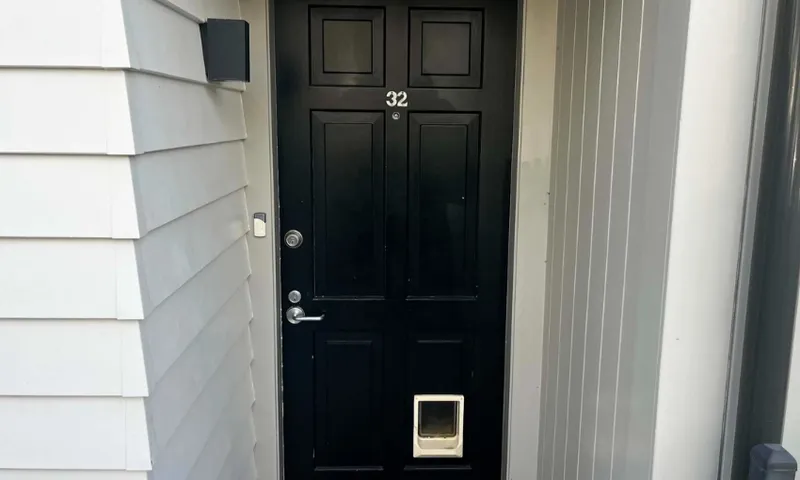
There were all sorts of people, in all sorts of houses, but mostly students and retirees. I was OK at delivering my script but didn’t have the killer instinct. On Bruce Avenue in Brooklyn, a guy with a mob face tattoo watched me go up and down the street knocking on doors before asking if I was getting paid. “Only if I sell these pins,” I told him. “No good mate, that’s shit work.”
My dad texted me some advice, based on his experience making home visits to do electrical work. “If you are cold calling people and there’s a front gate”, he wrote, “what we do is shake the gate before we open it. Any dog present will head for the gate before you go inside. Stay alive.” Staying alive was of interest to me as I spent a day walking around Alicetown in Lower Hutt. When I knocked, eyes would appear in high windows accompanied by angry shouting.
It was somehow just as bad when people were nice. Wandering around Raumati Beach I met a lovely woman in a big beachside house who wrote me a cheque for $500. She wanted to help the cause, and seemed excited to have someone to talk to in the middle of the day. My boss described her as an angel donor. I felt sick.
There are movements on Reddit and elsewhere to identify and expose what are referred to as “devilcorps”. My brief employment fits their description perfectly, down to the obscuring of facts with corporate jargon, downplaying the sales and door-to-door elements of the job, and featuring a business model “pitched as a path to leadership and eventual ownership”.
I lasted two weeks. One week of training (I would have made less than $40) and a week by myself wandering the streets of Wellington, during which I made less than $200. I’ve often thought about this crash course in sales and what it taught me: how to spot the tricks of the trade, knowing when I’m being sold to and when to be skeptical.
Getting ripped off at your front door seems almost quaint these days, with most scamming happening online. A nervous looking young man showed up at my house a few years later and tried to show me some numbers on a clipboard. I told him not to bother.

Ben Fagan
Ben Fagan is memberships lead at The Spinoff and artistic director of the National Youth Drama School.


