Meth ruined my dreams of going home to Northland

Photo by: Liam Rātana
Ātea editor Liam Rātana wrestles with his life-long dream and the dark reality of the methamphetamine crisis.
For many years, I thought I knew what my life’s purpose was. I wanted to move home and be a leader for my people. I wanted to be a cowboy, riding horses, hunting, fishing. I wanted to be at my marae, helping our hapū flourish. I was going to be the cool uncle with all the flash toys, teaching my nieces and nephews about life in the Far North. I thought I had it all figured out.
The younger me viewed the Far North as a paradise that I was privileged enough to whakapapa to. A sanctuary where we would swim in pristine water holes, fish and dive at spots only whānau went to, race horses bareback on mudflats, smoke weed, party, chase girls and live life however we wanted. The best thing about it was that it was ours, more than anyone else’s. No one could tell us what to do there except our elders.
My father was my main connection to Northland. We’d go home every long weekend or school holiday, hui-hopping, visiting whānau, and simply spending time in our ancestral home. When I was 16, he passed away and my visits fell away.
After a few years at university and living abroad, I unofficially took over some work my dad had been doing for our hapū. It was honourable mahi, leading a treaty claim on behalf of our people. At the time, I thought I was ready to lead our hapū and help carry our people to a bright and prosperous future.
“Oh Liam, you’re so young and full of hope,” my cousin said to me during a hui a couple of years ago. She was right. Like many young people, I was hopeful. I was also incredibly ignorant. I had developed a saviour complex, thinking I could change the world. I believed I could lead our people to the promised land. Looking back now, it’s almost laughable. But it also makes me sad.
A few years before my father passed away in 2012, I found out he was a user of methamphetamine. Initially, I was in denial, which lasted until well after his death.
I don’t want to make him out to be a bad person, but meth certainly had an impact on him and our relationship. I remember the ranting lectures that would last for hours, the disproportionate beatings and his frequent mood changes. I remember sleeping on couches at people’s houses, or sometimes in our car. I even remember crying once because I didn’t have a house to invite my friends over to.
“Are you hungry? Are you cold? Have you got clean clothes on? Did you sleep with a roof over your head last night?” my dad asked me. “Then what the fuck are you complaining about?”
It shifted my perspective, but didn’t change the reality of our situation.
The people we used to visit weren’t necessarily bad people, but they weren’t necessarily good either. They were all kind to me, though. It made me realise that people who live outside of the law aren’t always bad, and people that live within it aren’t always good.
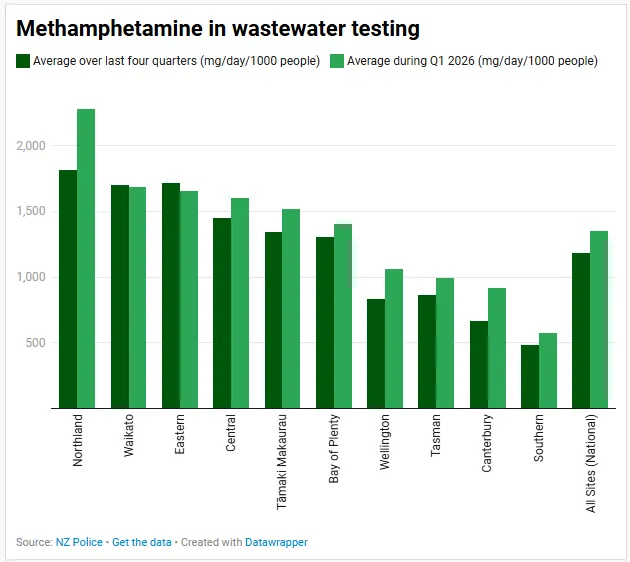
There’s lots of us that get this. More and more, actually. Meth use, according to wastewater tests, is up, with an estimated 36.6 kilograms consumed in New Zealand a week. It’s a problem everywhere, but the area with the highest per-capita meth consumption? Northland.
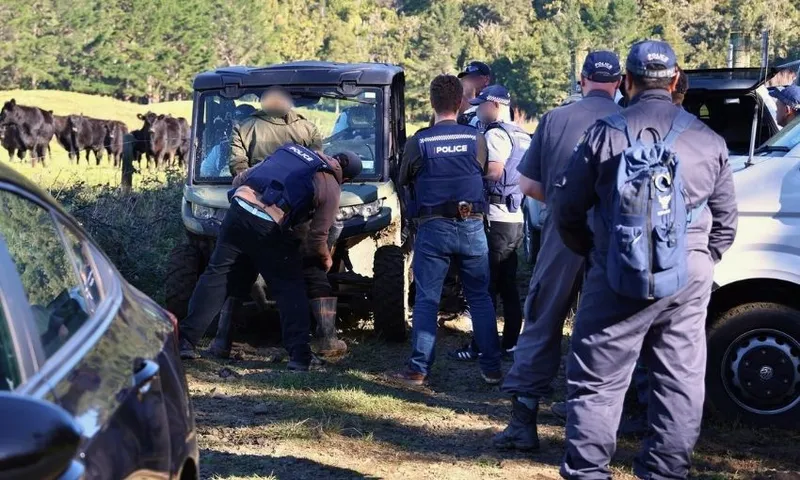
Lots of people grew up like I did, with a colourful family, one where a life of crime and living outside of the law feels normal. The older I got, the more I realised how intertwined my family was with organised crime. My father and many of my uncles and aunties, cousins and wider extended family had – at one point or another – lived life outside of the law. It was the norm, not the exception.
With that realisation came an understanding that the things some of my family were involved in, the things they had seen and done, were heavy things. Particularly heavy in a spiritual sense.
The realities of that life came to scare me. I grew cautious with everybody, not knowing who to trust or what to believe. I don’t judge them and I still love all of them, but knowing what I now know it’s hard to feel safe around some of my family, especially now I’m a father. The drug trade can be a ruthless game – one that you either play to win or don’t play at all. It takes no prisoners.
It’s all chipped away at the certainty I once had about the direction of my life. I still dream of moving home to the Far North but I feel cautious. I know there is a level of understanding amongst the locals of who’s who and what’s what that I don’t possess. I’m not sure I want to know either.
Could I handle traversing the complexities of these relationships in a tight-knit community? Sure, I could turn a blind eye to some things, but only for so long. There are children walking down busy roads in dirty nappies looking for food. Kids are taking drugs to school, doing deals on behalf of their parents. The crime rate is well above the overall New Zealand rate.
There are few things I want more than for my son to grow up in the Far North, connected to his culture and whakapapa. But it’s the things that come with that life that worry me. I worry the life I once dreamed of could only ever last so long before methamphetamine caught up to us too. Cousins I used to play with, whānau members I used to idolise, people held in high esteem in the community – so many of them are now involved in one way or another. It seems impossible to avoid.
I want to believe that this problem will somehow disappear, but I know there’s no magic cure. If you take away a supplier, a new one just steps in to fill the void. It’s an issue we’ve known about for years but despite people fighting back, the problem keeps getting worse.
Maybe one day it won’t be as big of an issue as it is now. Maybe one day I’ll feel comfortable enough to return home with my family and raise my son where we come from. But for now, we remain guests on whenua we don’t whakapapa to.

Liam Rātana
Liam Rātana (Ngāti Wairupe/Ngāti Kurī) is editor of The Spinoff's Ātea section. He is passionate about indigenous and minority issues. Liam enjoys cooking, poetry, photography, and exploring the outdoors.


