How Puanga is helping me to grieve te reo Māori

Puanga is a marker of the new year for many Māori around the country. (Design: The Spinoff).
As the Māori New Year begins, Te Rina Ruka-Triponel mourns not only the loss of loved ones, but her connection to te reo Māori.
As Puanga rose this year, I was prompted to grieve. Humans tend to skip the hard feelings, but without acknowledging them, how can we truly appreciate the next season?
As Māori, many of us carry grief – whether personal or a result of our collective oppression – it’s what motivates us to influence change, create solutions and achieve positive outcomes for whānau.
Something I grieve a lot is the loss of te reo Māori in my whānau. My nan and pāpā, both from the North, spoke it both fluently and when they wanted to speak romantically to each other. Unfortunately, they were young in a time that was unkind to Māori. English was the preferred language in schools and eventually became the language my grandparents spoke – a story common for many Māori.
My own reo journey is one of reconnection. Although I still have a long way to go, I have grown as an ākonga and feel most connected when speaking in te mīta o te Norta.
I understand te reo best through tikanga, pūrākau and the recognition that all people and things carry mauri and mana. It is a language of the ngākau, grounded in relationships, whakapapa and ways of seeing the world that cannot always be translated into English.
Before my pāpā passed in 2022, he told me about the huge progress te reo Māori had made since his time as a teenager. He remembered people changing their names from te reo Māori to English, and Māori children facing physical punishment and humiliation for speaking te reo at school.
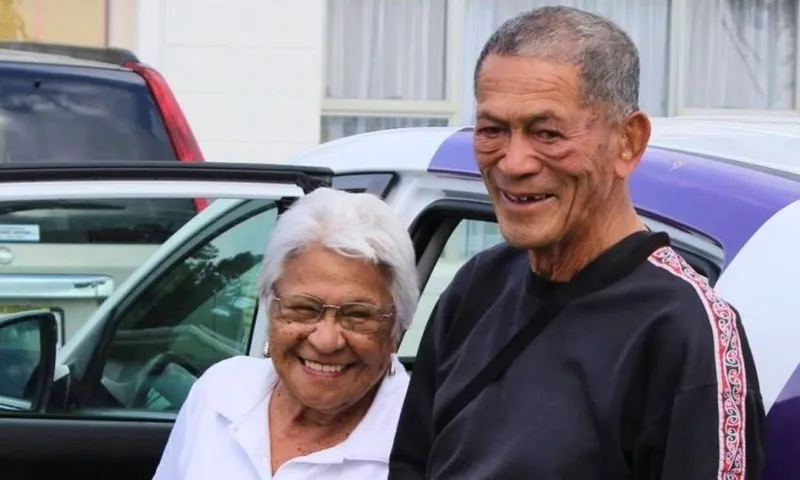
“But you look everywhere now – even on television – everybody wants to speak Māori,” he said. He wore a smile of contentment, as though he could finally release the past.
Much like the resurgence of te reo Māori, the revival of tātai arorangi is significant because it is not only about celestial bodies, but also an opportunity to connect with our whakapapa. As someone who has been on a reclamation journey for just over a decade, Puanga is a tohu that brings me closer to my whānau and my culture.
My 96-year-old nana passed away in November last year. Her presence and the whakapapa reflected in her kanohi made me feel connected to those before us. Puanga invites us to honour those who have passed, and that extends beyond just remembering them, but also considering how we carry their legacies.
I often wonder if Puanga was the tohu our tūpuna collectively observed as they looked towards the future. Did they foresee the loss of te reo Māori and the generations it would take to revitalise it, or did they know te reo Māori might survive?
Despite political support of te reo Māori going backwards, we are seeing a fearless younger generation that carry strength and bravery. Just yesterday, someone mispronounced my youngest child’s name, and my eldest child boldly corrected them.
I look at my Māori-Pacific children and hope for an unapologetically Māori and Pacific world – one that honours their whakapapa, where their identities are normal. Where we speak conversationally in te reo, and they have a solid sense of identity, without carrying the same grief I do.

Te Rina Ruka-Triponel
Te Rina Ruka-Triponel (Ngāpuhi, Ngāti Hine, Te Ātiawa, Hauiti, Apanui, and Ha’apiti in Mo’orea (Tahiti)), is the senior Māori media adviser at the University of Auckland, specialist in Māori and Pacific development, with a focus on transdisciplinary research engagement.


