Nicole McKee’s new Act leadership role means record Māori party leaders – but no one Māori voice

The seven political party leaders and deputy leaders are the most ever in New Zealand’s history. (Design: Tina Tiller).
Made with the support of
New Zealand has more party leaders of Māori descent in parliament than ever before.
Sunday’s announcement that Nicole McKee is the Act Party’s new deputy leader means both minor parties in the coalition government now have leaders and deputy leaders who whakapapa Māori. McKee joins Act Party leader David Seymour, who has Māori ancestry, while New Zealand First is led by Winston Peters and deputy Shane Jones, who are both Māori.
On the other side of the House, Greens co-leader Marama Davidson is Māori and Rāwiri Waititi and Debbie Ngarewa-Packer lead Te Pāti Māori.
All up, that’s seven of the 12 party leaders and deputies in parliament that have Māori ancestry. Whatever your views of the individuals, it’s a significant achievement for Māoridom. But will that be the focus or are we in for more arguments – and insults – about who represents Māori and who doesn’t?
McKee becomes deputy of not only a right-wing party – when Māori have often been seen as more inclined to the left – but one responsible for the controversial Treaty Principles Bill. She looked like she was trying to get ahead of any battles about how her whakapapa gelled with her political beliefs from the outset. “I am proud of both my Māori and my British ancestry,” she said on the weekend. “I do not need to choose between them, and I do not need a political party to tell me what my identity is supposed to mean. My whakapapa is mine. My views are mine. My vote is mine. My country is mine too”.
Then she took aim at Te Pāti Māori. “Te Pāti Māori claim to speak for all Māori. They do not speak for me. They do not speak for every Māori parent who wants their children safe and well educated, every Māori business owner who wants less red tape and more opportunity, or every Māori victim of crime who wants consequences,” she said.
It’s a well-traversed argument. In 2024, Te Pāti Māori MP Hana-Rawhiti Maipi-Clark famously said to Peters: “Moumou tō toto Māori (Your Māori blood is a waste).” While Peters has thrown his own insults before (he referred to Rawiri Waititi’s traditional tā moko as “scribbles on his face”), it’s hard to see Maipi-Clark’s comment as anything other than diminishing the mana of not only Peters, but of all his whānau and tūpuna too.
The fledgling MP is far from the first to accuse another Māori politician of not being Māori enough or not the right kind of Māori. In 2022 Labour’s Willie Jackson called Seymour a “useless Māori”, and more recently Māori development minister Tama Potaka has found himself denying he’s part of an anti-Māori government. While recent insults and accusations have come against a backdrop of anger at the government – some political commentators have labelled the coalition “the most overtly racist government we’ve seen in recent decades” – is it ever fair to diminish a politician’s whakapapa?
Shane Jones doesn’t think so. “I don’t believe in this notion [that] just because I have a different idea than the majority of your viewers, that somehow makes me less Māori than you. Be a long day in hell before I’ll agree with that,” Jones said in an interview on Te Ao with Moana last year.
At the last general election, Te Pāti Māori won six of the seven Māori electorates. As a result, it claimed to have a clear mandate to represent Māori, despite Labour receiving 14% more of the party vote across the Māori electorates.
But even if Te Pāti Māori could point to higher nubmers, it would remain tricky for it to claim it speaks for Māori. Certain issues are often portrayed as being “unifying” – things all Māori care about, including the treaty, whānau, te reo Māori, culture and whenua. These are issues many Māori would say are important, but lots of Māori care about other things too. A majority of Māori don’t maintain a regular connection to their marae, and can’t speak te reo Māori. This doesn’t mean these issues aren’t important to them, but it shows that Māori are different and have different experiences and views.
Sure, mana motuhake and the establishment of a Māori parliament might be great ideas and important for some Māori, but others will be more focused on stable jobs, warm homes, and three square meals a day.
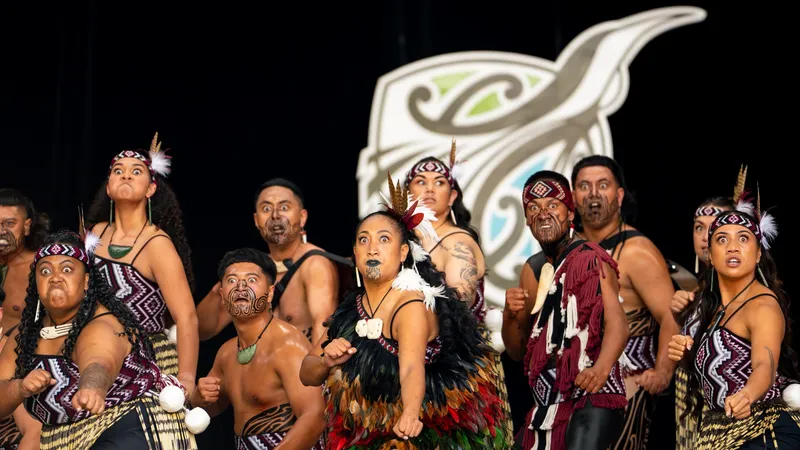
The question then is what are political parties doing to ensure that all Māori see themselves reflected in parliament? Take away Māori in board rooms, the gun kapa haka performers and Māori raised in the culture and language that Te Pāti Māori often connect with. Who represents Māori who are urbanised, disconnected, and disillusioned? What about Māori who don’t see themselves being represented by any particular politician or party?
Well, we now have the most Māori political party leaders we’ve ever seen in parliament, and that means we’re also closer to having more representation of the full spectrum of Māori and their political views and experiences.
Some of the politicians remain disconnected from their culture, some were blessed enough to grow up immersed in it. Some discredit the whakapapa of others, while others say whakapapa is enough. Whatever their position or beliefs, they all have Māori ancestors. There’s a famous saying in te ao Māori: You might not know your mountain, but your mountain knows you. You might not know your awa, but your awa knows you. You might not know your whakapapa, but your whakapapa knows you.

Liam Rātana
Liam Rātana (Ngāti Wairupe/Ngāti Kurī) is editor of The Spinoff's Ātea section. He is passionate about indigenous and minority issues. Liam enjoys cooking, poetry, photography, and exploring the outdoors.


