Marae are emergency infrastructure. So why aren’t they funded like it?

A grayscale image of a traditional building roof with ornate carvings, overlaid with two white cards labeled “BUDGET 2026” in red text on a grid-patterned background.
Budget 2026 shows the government understands one part of disaster resilience: roads need to be strengthened before they collapse. The same logic should apply to marae, argues Te Rina Ruka-Triponel.
When roads close, marae open.
I have seen it happen in real time, often through community Facebook posts made at ungodly hours of the morning.
Severe weather warnings are shared, road closures are monitored, wharenui are prepared for sleepers, kai is organised, someone is assigned to check on kaumātua and someone else finds a generator.
Across the motu, including marae I belong to up north, marae prepare for the worst before the worst has even arrived.
In a disaster, marae become shelters, kitchens, information hubs and welfare centres. For Māori, this is manaakitanga, but it should also be recognised as emergency infrastructure by the Crown.
That is why Budget 2026 raises a hard question. The government has set aside $400 million for state highway resilience projects, aimed at keeping critical routes open during and after natural disasters.
And that matters. Roads carry food, medicine, emergency services and whānau trying to get home. In places like Te Tai Rāwhiti, where roads have become vulnerable to slips, floods and closures, investment in resilient transport links is necessary.
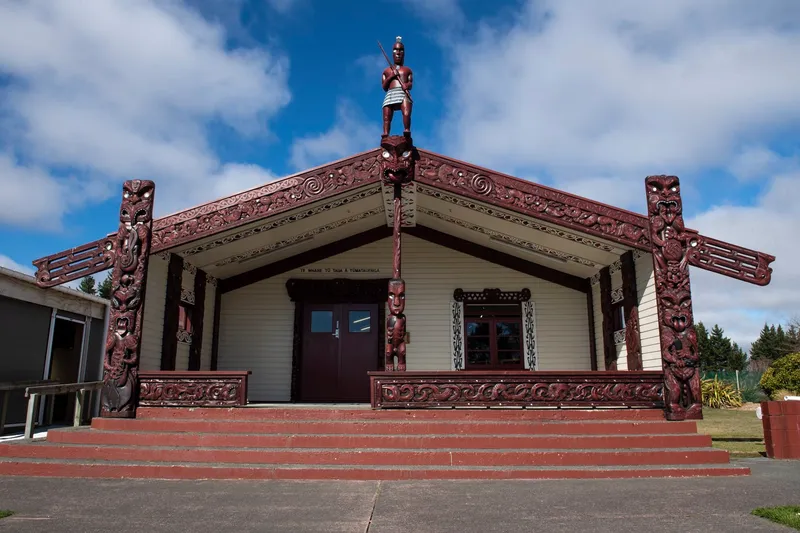
But if the government can recognise roads as critical infrastructure, why are marae still treated as an afterthought?
Whangārei Māori ward councillor Phoenix Ruka says roading investment will help, especially for rural and Māori communities. “When roads are cut off, it’s not just about transport. It affects access to food, healthcare, work, school and support networks,” Ruka says.
But roading investment, he says, cannot be the whole answer. “We’ve seen over and over again that when things go wrong, marae step up. They become places where people can find shelter, get information, share kai and support one another.
“If we’re serious about building resilient communities, then we should be backing our marae with the resources they need to keep doing what they already do so well.”
For Kohu Hakaraia, a trustee of Te Rāwhiti Marae in the Bay of Islands, the gap is not theoretical. “After such a severe storm season, it is disappointing that marae are still not being recognised for the role we play in emergency response,” Hakaraia says.
“Te Rāwhiti Marae opened our doors alongside our neighbouring Ngātiwai marae and provided manaaki through our own effort, relationships and resources.”
She says there has been some support, including Te Puni Kōkiri funding for an emergency pod after the January storm, but that support still feels reactive rather than embedded. “Marae need dedicated, flexible and easily accessible funding that recognises the role we already play before, during and after natural disasters,” she says.
That could mean generators, communications equipment, bedding, kai, fuel, training, maintenance, cleaning supplies and support for the volunteers who keep everything moving.
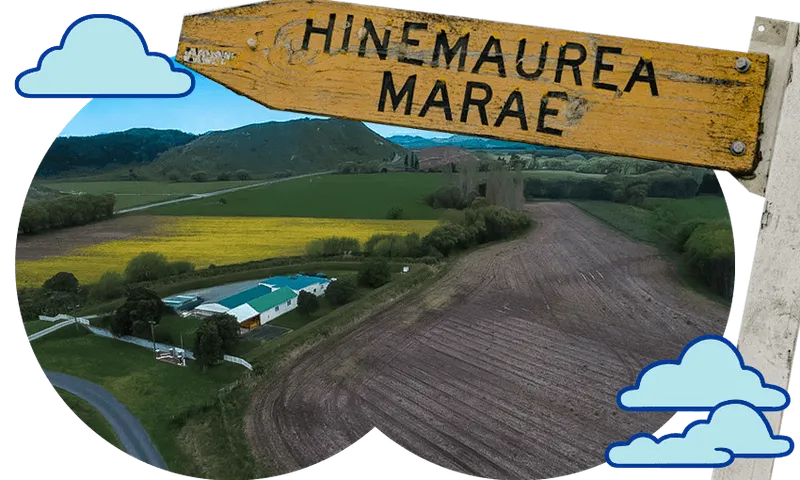
This is where the cultural argument becomes an economic one. Every time a marae opens during a disaster, whānau absorb costs that would otherwise sit somewhere in the official emergency response system. Power, food, water, cleaning, transport, phone calls, coordination, emotional labour and recovery work are all part of the response.
When marae, hapū, iwi and volunteers carry those costs first, the Crown has not saved money but shifted the bill onto the very communities already doing the emergency work, during a cost-of-living crisis.
Research by Māori engineer Haukapuanui Vercoe gives this issue sharper urgency. His geospatial analysis of 869 marae found many are exposed to natural hazards including flooding, landslides, tsunami evacuation zones and liquefaction risk.
In other words, marae are exposed to the very disasters they are expected to respond to. This is where we need to think more seriously about what an economy of mana could look like.
A strong economy is not only one that spends less, it is one that sustains the relationships, capabilities, communities and natural systems that people depend on. It is an economy that understands value is not only found in balance sheets, but in whether people are safer, better connected and more able to respond when things go wrong.
That matters here because marae are not just buildings. They are networks of people, trust, local knowledge, kitchens, wharenui, communications channels, volunteer labour and leadership (in economic terms, they are community capability).
Treating that capability as goodwill is short-sighted, because disasters are becoming harder to predict and harder to recover from.
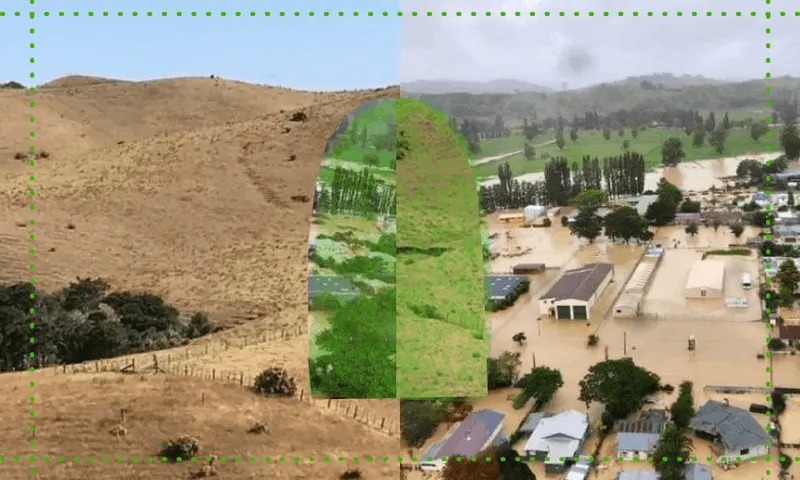
We may not always know when the next storm will hit, how severe it will be or which roads will close first, but we do know where communities will go when they need help. They will go to marae.
If the government is serious about resilience, it should ask what kind of efficiency it is pursuing, who carries the cost and whether the wider system is stronger or weaker as a result.
Budget 2026 shows the government understands one part of disaster resilience: roads need to be strengthened before they collapse. The same logic should apply to marae. Because when disaster hits, communities do not only need asphalt. They need power, kai, water, beds, phone coverage, trusted leadership and somewhere safe to gather.
They need marae.

Te Rina Ruka-Triponel
Te Rina Ruka-Triponel (Ngāpuhi, Ngāti Hine, Te Ātiawa, Hauiti, Apanui, and Ha’apiti in Mo’orea (Tahiti)), is the senior Māori media adviser at the University of Auckland, specialist in Māori and Pacific development, with a focus on transdisciplinary research engagement.


