A definitive list of what belongs in the fridge – and what doesn’t

(Image: The Spinoff)
Which ingredients should live in the fridge, which are better off in the pantry, and why it’s not always as obvious as you might think.
When refrigerators began appearing in New Zealand homes in the early part of the last century, they totally transformed our everyday rituals. Shopping habits shifted. Cooking changed – and with it, eating. We moved away from traditionally preserved foods and we began keeping more ingredients on hand, in larger quantities, for longer stretches of time. We bought more. Food tasted different. And with this new chilled option to stash our food away in, a new and enduring question presented itself: where exactly should everything go? What needs to be refrigerated and what should stay at room temperature?
Some answers are (mercifully) obvious: raw meat belongs in the fridge, bags of chips live in the pantry. But beyond the fundamentals, food storage can be far less intuitive and in some cases far less black and white, depending on how long you plan to keep something, how you intend to use it, personal preference, and what you care about most – safety, flavour, texture or shelf life. Add a humid summer into the equation, and the decision-making gets even blurrier. Certain foods are unequivocal refrigerator residents. Some are definitely meant to occupy a place on the bench. Others are situational. In short, it’s a labyrinth.
So, if you have ever found yourself standing in the kitchen, eyes darting between the fridge and pantry, sweat forming on your brow as you consider the future of a handful of tomatoes or a bag of coffee beans or a bottle of sauce, the following list is for you. However, this list is not intended to be gospel – in my own kitchen I break several of these rules regularly, usually with foods I will eat alone and entirely at my own risk. You do you.
Corn on the cob
Its pale green husk gives the impression of sturdiness, which may explain why I have so often noticed cobs lounging on kitchen counters. The hardy-looking husk is deceptive. Corn is at its most comfortable when kept cold and slightly damp. Leave the husk on, slip the whole thing into a plastic bag and consign it to the crisper drawer.
Verdict: In the fridge, shrouded in plastic
Tomatoes
Most of us are likely guilty of stowing a bunch of tomatoes in the fridge at one point or another. Consider this your sign to never, ever do that again.
Tomatoes derive much of their character from the sun. Coldness interferes with the enzymes responsible for making a tomato taste of tomato, meaning that refrigerating them essentially inhibits the qualities that make a tomato worth eating.
Verdict: Always on the bench
Melon
Because of their size, it’s tempting to plonk a watermelon on the bench and carry on. This is a fine plan for a few days, but beyond that, it’s a gamble – particularly in summer. Personal experience suggests this gamble is not worth it.
Verdict: Bench, short term, and fridge if cut or kept longer
Kūmara
Kūmara are happiest when treated as they once were underground: away from light, moisture and beeping sounds. Exposure to light or moisture encourages rot or sprouting, neither of which is helpful.
Verdict: The coolest, driest part of the pantry.
Potatoes
See above. Potatoes and kūmara are aligned on this matter.
Verdict: Pantry
Pineapple
If it seems wrong to trap a beautiful, tropical whole pineapple in the wintry confines of a fridge, that’s because it pretty much is. These fruits are perfectly content standing upright in a cool corner of the kitchen for several days. Like most fruits and vegetables, once it’s been cut, keep it in an airtight container in the fridge.
Verdict: Bench is best
Maple syrup
Because of its high sugar content maple syrup is unlikely to go bad, but it’s also quite prone to mould. To avoid this, once opened, maple syrup should stay in the refrigerator, where it can age gracefully.
Verdict: In the fridge, after opening
Marmite / Vegemite
Your preferred yeast spread is untroubled by room temperature. It will survive the pantry quite happily. The real danger lies not in heat, but in contamination – specifically, butter from a double-dipped knife.
Verdict: Pantry (but avoid getting bits of butter in there)
Tomato sauce
One of the most hotly contested discussion points of the fridge vs pantry debate is where tomato sauce belongs. The fridge has its loyalists and the pantry has its traditionalists. But unless the label insists otherwise, or the sauce is homemade, the pantry is the more rational home. Commercial tomato sauces are filled with acid and stabilisers, which means refrigeration is mostly unnecessary – so why waste that precious refrigerated real estate?
Verdict: Pantry
Coffee
Coffee, whether in bean or ground form, experts say, does not want to live in your fridge or freezer. The fluctuating temperatures create condensation and the moisture in the environment dulls flavour. Worse still, coffee is hygroscopic – it absorbs the smells which surround it. This is how a bag of beans might begin to taste faintly of last night’s leftovers. Unless a morning cup of “fridgy” brew sounds appealing, keep your beans away from the refrigerator.
Verdict: In the pantry, in an airtight container
Chocolate
The ideal storing conditions for chocolate is largely a matter of taste. Still, the consensus is clear: a block will do best when stored in a well-ventilated, cool, dark cupboard. Storing chocolate in the fridge can lead to a phenomenon called sugar bloom, where condensation causes sugar to rise to the surface, creating a grainy texture. Chocolate, much like the aforementioned coffee, also has a habit of absorbing the aromas of its neighbours, none of which improve it.
In summer, particularly in this country’s humidity, refrigeration might become unavoidable. If so, airtight wrapping is essential, and patience required – chocolate should return to room temperature before eating if it is to taste as intended.
Verdict: Pantry (with summer caveats)
Garlic
In many cases, the fridge doesn’t just dull flavour, it actually ruins it. Occasionally, however, the fridge can even make food unsafe to eat. That’s the case with garlic which is more likely to sprout or grow mould if it’s kept in the damp climate of the fridge.
Verdict: Pantry, preferably in a paper or mesh bag
Onions
Like garlic, onions favour darkness, dryness and good ventilation. Which means they don’t like the fridge, and they don’t like being in a plastic bag.
Verdict: Pantry, again in paper or mesh
Butter
Butter, if you’re doing things right, should be in two places at once. Most of the block belongs in the fridge. A small portion, however, may live on the bench, ready for toast. A butter dish in a cool corner of the kitchen is a perfectly good way to store this. Those who are particularly obsessed with softened butter could consider tracking down a butter bell, which is about the most elegant way to keep your butter.
Verdict: Fridge, with a little on the bench
Stone fruit
Stone fruit tastes best when it has never met the cold, but it spoils faster for the same reason. Unripe fruit should stay on the bench. Once ripe, refrigeration will buy you some time at the cost of some flavour. In either case, your fruit will be more pleasant when brought back to room temperature before eating.
Verdict: Bench, then fridge
Banana
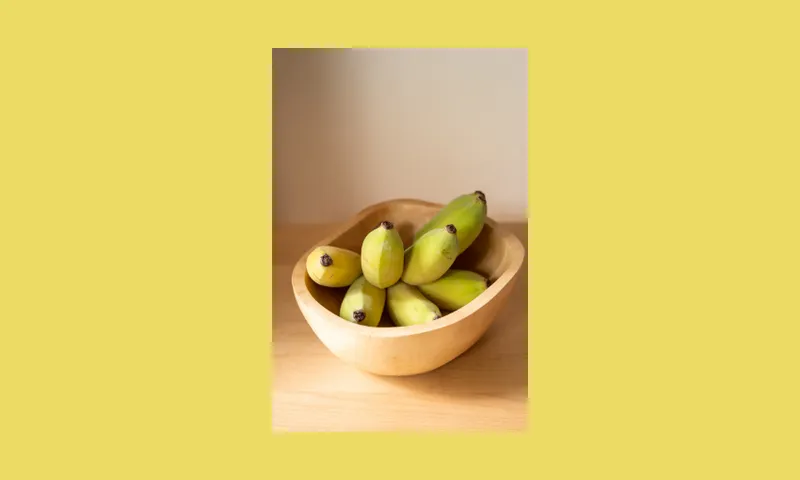
Bananas belong on the bench, away from direct sunlight and dramatic temperature changes. And while bananas can be kept in the fridge – especially if you’re trying to put the brakes on the ripening process – that comes at the cost of flavour. And that would be a shame.
Verdict: Bench. Or even better, invest in a banana hanger.
Eggs
Eggs can survive at room temperature, but they thrive in the fridge. Refrigeration extends their life considerably. This is to say, the decision should largely be made based on how quickly you get through a carton. Because eggshells are porous and prone to absorbing odours, they should remain in their cartons, regardless of where they’re stored. In most recipes, it’s best to bring your eggs to room temperature before cracking on.
Verdict: The fridge is safest
Pineapple lumps
Verdict: Wherever you like
Kamokamo
Kamokamo can sit happily in a cool, dark place for a short while, alongside kūmara and potatoes. After a few days, however, refrigeration is the way to go or they might dry out.
Verdict: Bench, briefly, then fridge
Bread
Bread prefers the pantry, where it should be kept wrapped and away from heat. Refrigeration slows mould but accelerates the likelihood of you ending up with dry, stale bread. If stored in the pantry, it should be eaten promptly – which shouldn’t be hard during tomato sandwich season.
Verdict: In the pantry, but eat it quickly
Avocados
Avocados ripen on the bench and pause in the fridge. If you want to speed things up, keep them out. Once they’re ready, chill them until needed.
Verdict: Bench, then possibly the fridge
Nuts
Nuts are more fragile than they appear. Their oils turn rancid with time, light and heat. Bad nuts can lose their crunch and take on an unpleasant taste – and can in fact make you quite sick. At room temperature they last a few months at most, and only if sealed well. Refrigeration extends their life by a few more months, and freezing extends it further.
Verdict: Pantry for short storage. Fridge or freezer for longer
Cherries
Cherries prefer to be in the coldest part of the refrigerator, unwashed and unwrapped. Avoid positioning them near strong-smelling foods which will likely pass on their scent. Unwashed because washing will add moisture, which adds to the risk. Washing them in advance, though tempting, only quickens their decline because moisture encourages germs. Rinse only at the last possible moment, just before tucking in.
Verdict: In the coldest part of the fridge
Berries
Berries are at their most delicious outside of the fridge. Their lives are fleeting, however, and they can quickly decline, so if you find yourself needing to keep your berries sprightly for a little longer, turn to the fridge. To make the best of this fridge time, store your berries unwashed in a paper-towel lined container. Most will flourish in a single layer, uncovered. Others, such as raspberries will do better in a sealed container.
Verdict: Unwashed and in the fridge if you want them to last
Sesame oil
Sesame oil is a diva, who is highly sensitive to light, and oxygen. Toasted or high-quality sesame oils, in particular, benefit from refrigeration. Any other sesame oils are likely OK in a dark, cool cupboard – but you may as well just put them in the fridge.
Verdict: In the fridge, or at least somewhere very dark and cool
Charlotte Muru-Lanning
Charlotte Muru-Lanning (Ngāti Maniapoto, Waikato Tainui, Ngāti Whātua) is a former staff writer at The Spinoff.


