Chris Hipkins, Tory Whanau and when private lives become political fodder

Chris Hipkins.
As the Labour leader deals with the fallout from his ex-wife’s social media allegations, we ask if the private lives of New Zealand politicians have really been shielded from public scrutiny in the past.
A teary-eyed Chris Hipkins fronted media yesterday to respond to claims made online by his ex-wife Jade Paul. The Labour Party leader denied the allegations – which paint him as an unsupportive partner, but do not suggest any unlawful behaviour – as they spread across social media, and lack of evidence on either side has fuelled speculation about both parties and the particulars of their past marriage.
Paul’s post detailing the claims has been deleted, but in a subsequent one she referenced the many women “hurt by high profile men who just do what they want with no consequences”. Hipkins, meanwhile, said he didn’t believe a public back-and-forth over the claims “would be the best thing for anybody involved, but particularly not for my children”.
While media outlets have been covering the saga, most are not reporting the substance of the allegations because of legal and ethical considerations. This follows an established pattern in New Zealand where the private lives of politicians aren’t generally considered fair game, in stark contrast to countries such as the UK, where an entrenched tabloid media means MPs’ private indiscretions regularly make headlines.
In the case of the Hipkins saga, online rumour mills have been attempting to fill in the gaps, often going far beyond the established facts. Does that mean the boundaries New Zealand media have established are becoming pointless anyway? And are these boundaries even applied consistently?
Lara Greaves, associate professor of politics at Victoria University, says that traditionally in New Zealand there has been an understanding between the media and politicians that coverage should stay away from the personal. “That’s a really great feature of our democracy, if you think about it, because it does mean there are fewer scandals about personal information that affects family members and personal wellbeing,” Greaves says.
Through the decades, parliament’s press gallery has often been privy to MPs’ affairs and not reported the details. Such was the case with former prime minister David Lange and his speech writer Margaret Pope – their affair was only exposed when Lange’s first wife, Naomi, chose to speak publicly. An obvious exception to this was rooted in bigotry, like when the now defunct tabloid NZ Truth outed former National MP Marilyn Waring as a lesbian in 1976. Just a few months later, prime minister Robert Muldoon accused Labour MP Colin Moyle of homosexuality, which at the time was illegal. Moyle ended up resigning, saying the media scrutiny had become unbearable.
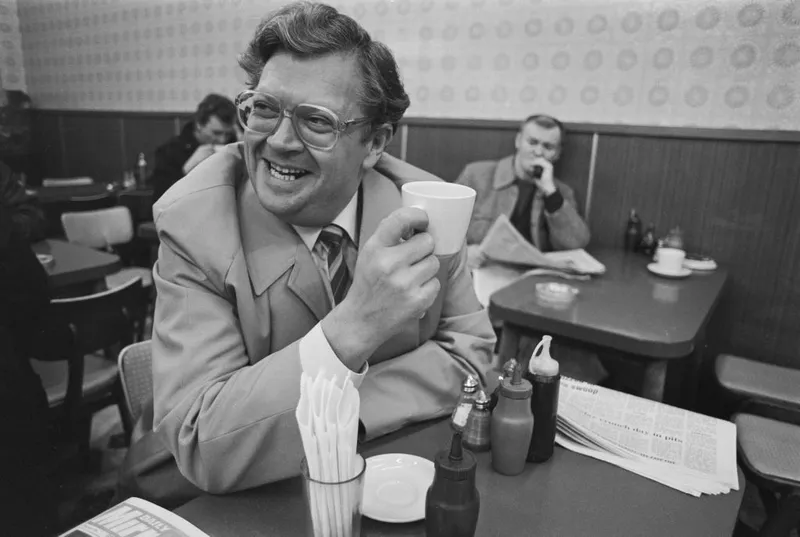
Two decades on, Investigate magazine ran a story suggesting Peter Davis, the husband of then prime minister Helen Clark, was gay. The rumours were reported by the Sunday Star-Times and Dominion Post, but furiously condemned by Clark who called them “complete and utter drivel”. This happened in the same 2006 month as Labour MP Trevor Mallard heckling National leader Don Brash in parliament about an extramarital affair. National MP Brian Connell then confronted Brash about it, and allegedly leaked the confrontation to media. A year later, Mallard, whose marriage had recently ended, would throw a punch at National MP Tau Henare for heckling him about his love life in parliament.
While attitudes may have moved on in some respects, in others they haven’t, says Greaves. “The way the media has portrayed ethnic women, women of colour and wāhine Māori, there’s been a really different standard in terms of the violation of privacy and intimate details being reported on,” Greaves said. “It’s concerning when there’s people being held to different standards based on their whakapapa.”
Take, for example, the case of former Wellington mayor Tory Whanau and the scandalous “footage” that never existed. “The comparison of the coverage of Tory Whanau and Chris Hipkins and in people defending privacy, it’s quite different in the way that things are being portrayed,” says Greaves. In November 2023, RNZ and Stuff reported the existence of compromising footage of Whanau, which neither outlet had actually seen.
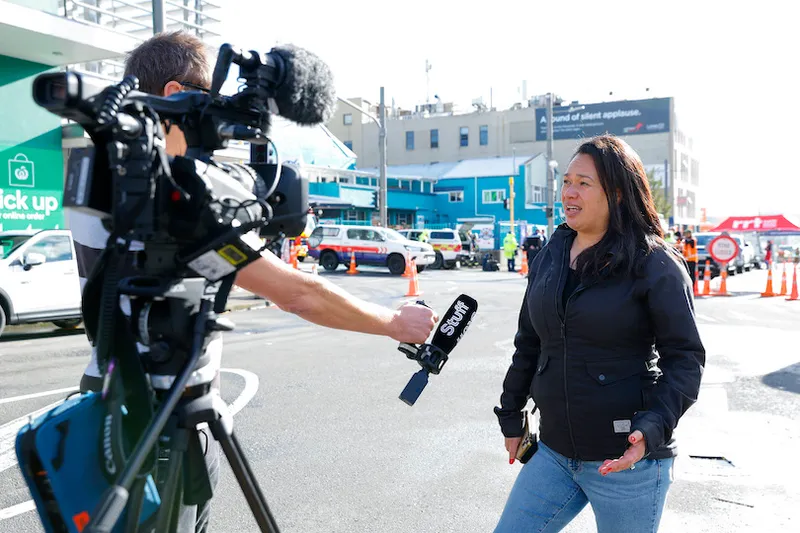
The alleged contents of the footage was graphically detailed on air by The Platform’s Sean Plunket, who hadn’t seen the video himself but had “heard from multiple sources in Wellington that that video is, if you like, doing the rounds”. Compare that to Plunket’s measured response to the claims of Hipkins’ ex-wife, which he published after doing some “soul searching”: “Everyone, including those who occupy elected public office, is entitled to a private life.”
When headlines fail to give us enough watercooler fodder, social media fills in the gaps. “We saw it with Te Pāti Māori: it’s easier for someone to post directly from their own fingers, [and be their] own mouth to the public, whereas before, journalists sat between politicians and the public and in order to get [a story] out, you had to go through more processes,” Greaves says.
“But the one thing we have to think about is that journalists, the government and ministers have an ethical code; social media doesn’t. That’s where there’s those risks to the information environment.” Situations like these will only become more complicated in time with the growth of AI and our lack of regulations around it, Greaves warns.
That’s not to say there shouldn’t be any hard questions asked about claims made online. “When we get to a point where there’s something around a power dynamic or conflict of interest, that’s when these sorts of situations become in the public interest,” Greaves says.
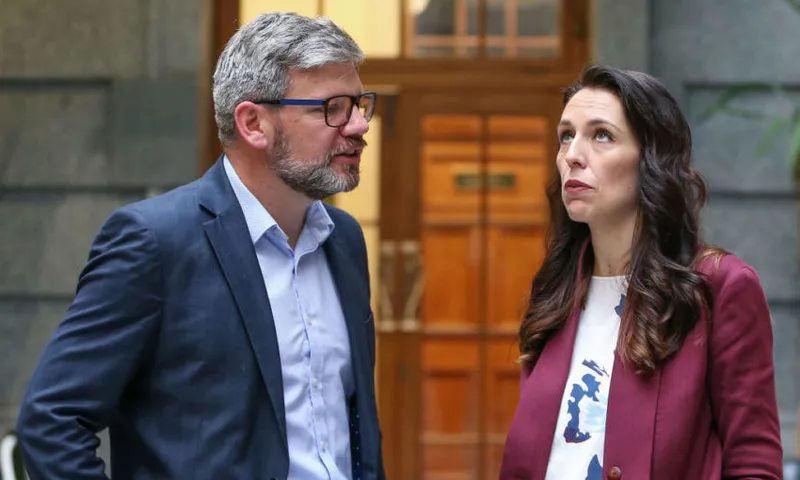
Think of former Labour minister Iain Lees-Galloway. He was stripped of his portfolios (which included workplace relations) after he admitted to an affair with a staffer who had previously worked in his office and one of his agencies. At the time, prime minister Jacinda Ardern said Lees-Galloway had “opened himself up to accusations of improperly using his office” and he had “not modelled the behaviour I expect as a minister that is in charge of setting a standard and culture in workplaces”.
“As ministers, you’ve got the cabinet manual, you’ve got a set of responsibilities and conflict declarations you need to abide by,” Greaves says. “That actually does enter the public interest.”

Lyric Waiwiri-Smith
Lyric is an award-nominated politics reporter at The Spinoff. She covers parliament from the press gallery, pens the weekly column One MP, One Pint and is endlessly curious about what makes our decision-makers tick. Off the clock, Lyric loves a live gig, a cold brew, and being a Wellingtonian (on a good day).


