The real lesson of the second Covid-19 inquiry? We live in a post-truth world

Winston Peters, David Seymour and Simeon Brown, with a selection of contrasting quotes from the Covid-19 inquiry report and their interpretations of it (Image: The Spinoff)
Government ministers’ creative interpretations of the royal commission’s report took spin to scary new levels.
You don’t have to get too far through the 1,000-plus-page final report of the royal commission of inquiry into New Zealand’s Covid response to realise it’s not going to be a scathing rebuke of government overreach. “Evidence shows New Zealand had among one of the best pandemic responses in the world,” reads the summary.
“NZ First and Act are gonna be gutted about this,” I thought to myself as I waded through the findings of the second inquiry, which was promised in National’s coalition deals with the two smaller parties in response to criticism the first one wasn’t sufficiently independent or far-reaching.
So what does this new report, this proper one – not the sham, not the whitewash, as NZ First and Act described the first – have to say? “Our analysis of government decision-making in 2021-2022 leads to very much the same conclusions as phase one of the inquiry reached about the first year of the pandemic.”
Hell, I thought to myself. Maybe they’ll have to demand a phase three inquiry until someone finally tells them what they want to hear.
But as the embargo lifted and the press releases began to roll in, a very bleak realisation dawned on me. It didn’t matter what the report said. Why would it? Reports are long. Reports are boring. No one wants to relive the pandemic by reading this one. People in power can say what they want. Facts don’t matter.
For example, Act’s release says: “This report shows it wasn’t just Act warning the government that Auckland was locked down too long, or that wasteful spending was out of control, or that vaccine mandates were unnecessary. Officials had the same concerns and were ignored by Labour as well.”
What the report actually says: “The key decisions on lockdowns during the period 17 August to 2 December 2021 were sufficiently informed as to the main impacts of those decisions.”
What David Seymour says: “Kiwis were constantly told the government was following the science. But this report shows ministers were willing to go beyond advice whenever it suited them.”
What the report actually says: “The decisions on vaccine requirements reflected the advice given and paid significant attention to experience in comparable jurisdictions.”
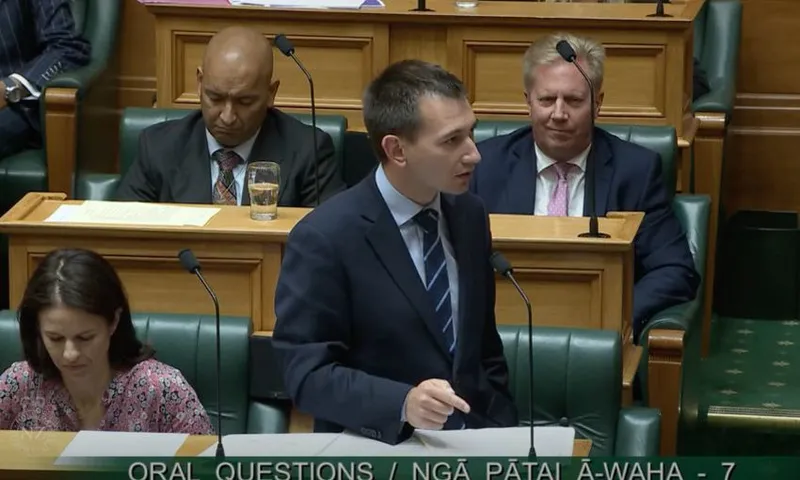
It goes on and on, and it’s not just Act. Even the comparatively reserved official government response from health minister Simeon Brown plays fast and loose with the facts. “Covid-19 restrictions were initially balanced and appropriate but extended beyond what public health advice recommended as the response continued,” it reads. “Auckland’s lockdown went longer than advice recommended.”
Never mind that the advice related to the move from level four to level three, not the end of lockdown. (Anyone who lived through that Auckland lockdown and hasn’t blocked it out will tell you that level three was still very much lockdown.) Never mind that the advice referred to was released in November 2021 and reported on at the time. Never mind that Ashley Bloomfield says his spoken advice aligned with what actually happened.
“Chris Hipkins must explain to Kiwis why he left Auckland in lockdown longer than was necessary,” reads the more vitriolic National Party press release from Brown. “Aucklanders accepted those sacrifices because they trusted the restrictions were necessary. Chris Hipkins stood up and told them he was following the health advice. He wasn’t.”
The report makes the explanation for the continued severe restrictions clear – to lessen the chance of needing to yo-yo between levels. “The minister noted a risk that easing restrictions and then tightening them again could be more detrimental in terms of social licence, mental health, pressures on at-risk communities and economic costs than delaying a move to alert level three.”
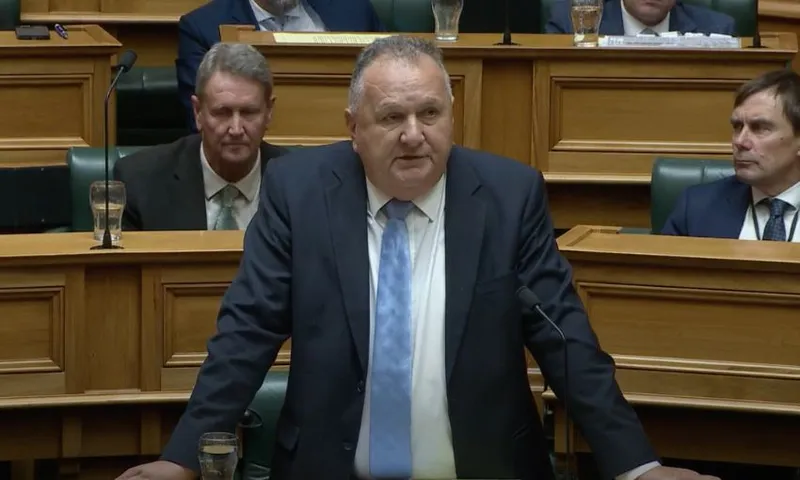
It’s election year, I get it. But implying science and health advice was routinely being ignored fuels the distrust that erodes social cohesion – something the report is at pains to emphasise must be restored. And yet. “Hiding the information!” Shane Jones hollered repeatedly in parliament yesterday as the report was debated.
A real major failing identified by the report, that safety advice relating to vaccine mandates for 12- to 17-year-old workers in education settings wasn’t presented to ministers, was similarly spun. Vaccines were, of course, never mandated for children to attend school – the mandate related to a presumably small set of youths who were working, which could include volunteering, with kids in schools or early education centres. In parliament, Winston Peters asked Brown how many children were affected by this. “Well, the reality is that there would be tens of thousands, if not hundreds of thousands, of young people in that age group,” Brown responded.
An hour or so later, Peters tweeted the following: “Those risks, forced under mandate, directly affected over a hundred thousand children aged between 12-17 years old. This cannot be ignored.”
There were around 350,000 12-17-year-olds in New Zealand in 2022. It’s impossible to know how many of these kids were considered workers in education settings at this time, but over a hundred thousand seems a stretch.
“The doctor knew!” hollered Jones in parliament, presumably referring to then minister of health Ayesha Verrall. I couldn’t help but wonder how a different doctor, a different former minister of health – one Shane Reti, who announced his political retirement the same day – was feeling about it all.

Alice Neville
Alice Neville is The Spinoff's deputy editor. Her interests include politics, food and data-driven deep dives of all kinds.


